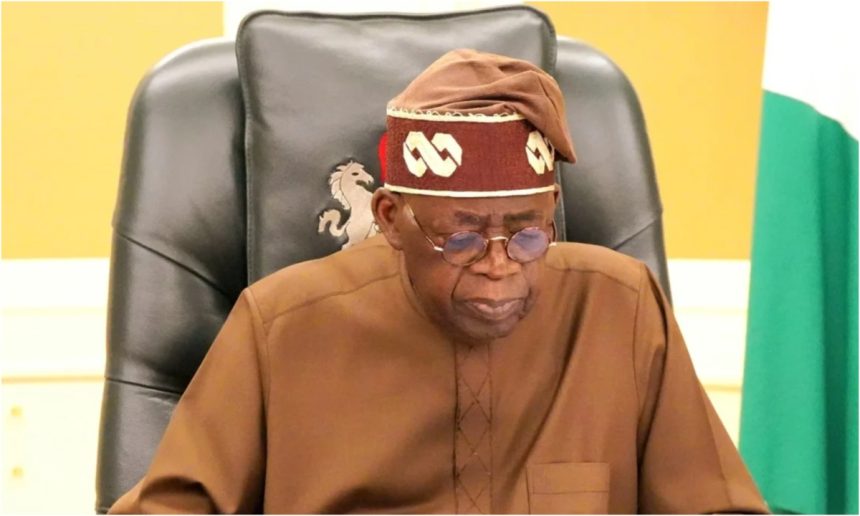
In the two years since President Bola Ahmed Tinubu took office, Nigeria has undergone a level of economic transformation not seen since the dawn of our Fourth Republic. The scale, scope, and courage of the reforms rolled out by this administration represent a dramatic departure from the politics of postponement and denial that previously defined governance in the country.
We must begin by acknowledging the reality: life has become harder for many Nigerians. Fuel is more expensive, inflation has hit painful highs, and the cost of living has surged. For countless families, transport costs, food prices, and basic household expenses have soared. These hardships are not imagined—they are felt on the streets of Lagos, in the markets of Kano, and in the farmlands of Benue.
And yet, we must also acknowledge the truth beneath the surface of discomfort: Nigeria is being restructured. The decisions that brought us this pain were not made out of malice or indifference but out of necessity. As a nation, we had reached the edge of a fiscal cliff—propped up by subsidies we could not afford, exchange rates we could not defend, and borrowing habits we could not sustain. Something had to give. And something finally did.
The petroleum subsidy, for example, had become a bleeding wound—draining over $85 billion between 2001 and 2023, diverting public funds from healthcare, education, roads, and energy. It was a regime that served the corrupt and the connected, not the poor it claimed to protect. By removing this albatross and harmonising exchange rates, the President Tinubu administration has not only saved the economy from collapse but opened the door to something Nigeria has long desired but never attained: fiscal sovereignty.
We understand why many Nigerians are frustrated. Reform fatigue is real, and history has taught us to distrust promises of a better tomorrow. But this moment is different—not just because of what has been done, but how it is being done. For the first time in decades, a Nigerian government is choosing the hard road over the popular one. It is confronting structural distortions instead of offering quick fixes. That is leadership—not expedience.
The results, though early, are beginning to show. Inflation, after peaking at over 33%, is starting to ease. The naira, though weakened by unification, has regained some footing. Foreign direct investment is trickling back in, as international observers recognise a new seriousness in Abuja. For years, institutions like the World Bank warned that Nigeria was sleepwalking into economic disaster. Today, they are lauding our efforts—because for the first time, we are addressing the problem at its root.
But we are not naïve. Macroeconomic stability is not enough. Reforms must be felt in the lives of ordinary Nigerians—not just in investor briefings or GDP projections. This is where the real test lies. The Federal Government must now double down on efforts to scale up industrial production, create jobs, and deliver infrastructure. The proposed N1 trillion manufacturing fund must be disbursed swiftly and transparently. The gains of subsidy removal must translate into tangible improvements—power, transport, housing, food security.
There is a narrow window to solidify these gains before political cycles start tugging at policy discipline. With elections looming in 2027, the temptation to revert to populist policies will be strong. We urge the Tinubu administration to resist. Economic reform must outlive electoral seasons. What has begun must be institutionalised.
This moment also calls for more deliberate communication. The government must do a better job of explaining not just what it is doing—but why. Nigerians deserve to know the roadmap, the timelines, and the endgame. Transparency builds trust. And trust is the only thing that will hold the social contract together through these difficult transitions.
We also call on the private sector to step up. The easing of macroeconomic volatility presents a real opportunity for expansion and innovation. Businesses must invest, not hoard. They must create, not wait. It is time for a new generation of Nigerian industrialists to emerge—backed by a new economic reality that rewards productivity and long-term value.
To civil society and the media, we say: critique, but do so constructively. This is not the time to sensationalise hardship or ignore progress. It is time to hold government accountable and recognise where it is delivering. The Nigerian story must be told in full—not just in fragments of pain, but in the fullness of potential.