
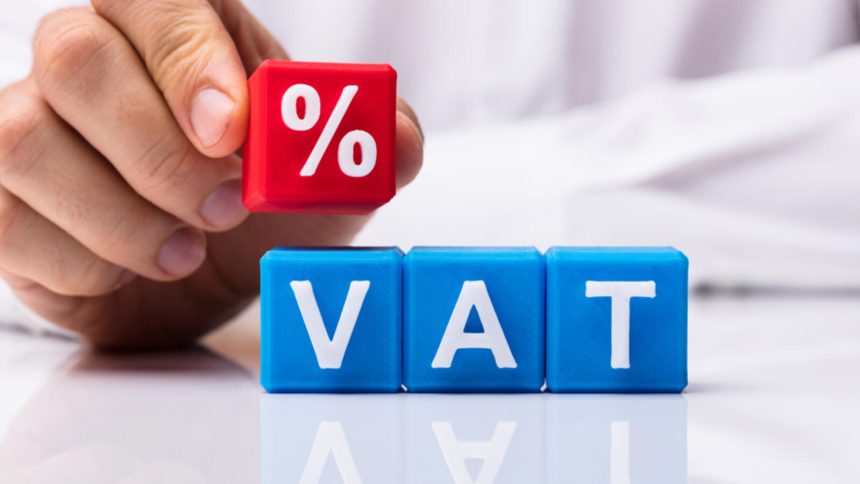
Regarding mounting economic headwinds and global uncertainties, the federal government’s choice to maintain the current value added tax (VAT) rate reflects a commendable sense of responsibility to the welfare of its citizens. At a time when poverty is deepening and food insecurity remains a pressing concern, delaying a VAT hike signals leadership that listens; one anchored not only in policy but in people.
The International Monetary Fund (IMF), in its recent Article IV Consultation Report, raised concerns that this decision could cost Nigeria up to 0.5 percent of its gross domestic product (GDP) in revenue. Yet, the same report acknowledges the government’s valid rationale: with only a fraction of the federal cash transfer programme fully deployed, raising VAT now could worsen the hardship already confronting millions of vulnerable Nigerians. In this light, we believe that the government’s stance is both morally defensible and strategically sound.
Nonetheless, the implications of this decision ripple beyond federal coffers. State and local governments – already grappling with limited fiscal space – may bear the brunt of the revenue shortfall unless other revenue or support structures are quickly activated. This is where strategic clarity becomes urgent. We are of the opinion that while the present course of delaying VAT hike shields the most vulnerable from additional burden, it must be supported by mechanisms that ensure subnational resilience.
To the government’s credit, its reform efforts are far from passive. Since 2023, major strides have been made to overhaul Nigeria’s tax framework. The modernisation of VAT and company income tax (CIT) regimes, alongside the introduction of digital monitoring tools and tighter exemptions, is already yielding results. In just one year, revenue and grants have grown from 9.8 percent of GDP to 14.4 percent – a significant gain underpinned by currency reforms and improved compliance.
But reform without direction breeds uncertainty. The IMF has rightly pointed to the need for a clearly articulated medium-term revenue strategy. One that outlines concrete timelines for future policy shifts. Such a roadmap which we believe would not only boost investor confidence but also serve as a guiding framework for responsible fiscal planning at all tiers of government.
This is not the moment for hesitation. Inflation although recently drops remains high, public debt is rising, and 41.1 percent of federal revenues now go toward interest payments. The room for error is shrinking. While the decision to delay VAT is justified today, it cannot become an indefinite posture. A transparent, time-bound plan for revenue reform is no longer optional- it is essential.
For this reason, we urge the Presidential Committee on Fiscal Policy and Tax Reforms to continue its work with renewed urgency. The administration’s commitment must be matched by decisive action, honest communication, and measurable milestones. The goal is not just to shield citizens from pain, but to convert reform into long-term, inclusive progress.
Ultimately, the strength of Nigeria’s fiscal strategy would be judged not just by its compassion in the moment, but by its preparedness for tomorrow. The President Tinubu administration has made the right call by choosing empathy over expediency- but now, we believe, the government must back that compassion with a roadmap that charts the way forward.