In a continent long defined by the export of raw resources and the import of finished products, Nigeria is turning the page — not with empty ambition, but with bold policy and execution. At the 4th African Natural Resources and Energy Investment Summit, Dr. Oladele Alake, Nigeria’s Minister of Solid Minerals Development, made a powerful declaration that encapsulates the new national direction — “Stop exporting poverty; start processing prosperity.” It is about how Nigeria is moving from rhetoric to results, and why these reforms in mining and power matter for the continent’s industrial future. Enam Obiosio writes.
At the foot of Africa’s richest mineral landscapes, a revolution is brewing – not just in the earth below, but in the policies above. Nigeria, long regarded as a raw materials exporter, is now charting a radical departure from tradition: no more shipping minerals in their crude form, no more watching value and jobs migrate offshore.
Under the stewardship of President Bola Ahmed Tinubu’s Renewed Hope Agenda, and spearheaded by reform-minded technocrats, the country is taking bold steps to own its resources, process them locally, and reimagine mining and energy as pillars of industrial growth.
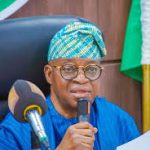
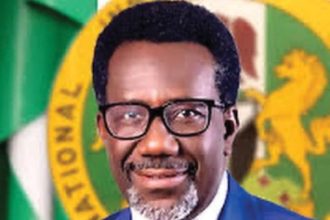
This vision was on full display at the 4th African Natural Resources and Energy Investment Summit (AFNIS) 2025, where Nigeria’s Minister of Solid Minerals Development, Dr. Oladele Alake, issued a clarion call to the continent: “Stop exporting poverty; start processing prosperity.”
“We seek to build a future where Africa’s natural wealth is no longer a statistic in someone else’s report. Let us build a continent where that wealth drives industrial growth, equity, and sustainable development,” Dr. Alake declared at the summit’s opening in Abuja.
Reforms That Reshaped the Narrative
At the heart of Nigeria’s transformation story is a series of coordinated and far-reaching reforms in both the mining and power sectors – two engines that, if powered correctly, could drive economic diversification, job creation, and industrial competitiveness across the continent.
In the mining sector, Nigeria has implemented:
- Mandatory local processing plans for all new mining licenses
- Crackdowns on illegal mining through inter-agency task forces
- A transparent, digitized mining cadastre to boost investor confidence
- Policies to attract investments into battery minerals and EV supply chains
The impact has been seismic. In just the first quarter of 2025, the government issued 867 mining licenses, generated N6.95 billion in fees, and processed over 10,000 title applications – a pace previously unthinkable.
Even more significantly, sector revenues skyrocketed from N6 billion in 2023 to N38 billion in 2024, driven by tighter regulation, higher licensing thresholds, and a demand-side push for local beneficiation.
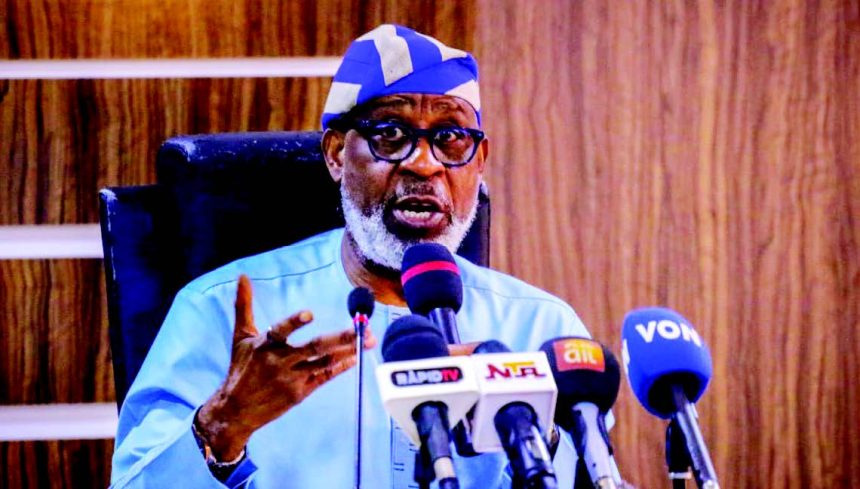
“We have implemented sweeping reforms to formalise mining and boost domestic value addition. Every license now requires a local processing plan. That’s why the sector is attracting serious capital,” said Dr. Alake.
Indeed, in 2023 alone, Nigeria secured over $800 million in processing-related investments, while sealing a landmark deal to establish a lithium-ion battery manufacturing and processing factory. Plans are also underway to establish electric vehicle (EV) assembly plants, further embedding Nigeria into the green energy future.
From Megawatts to Made-in-Nigeria Power
While the mining reforms strengthen supply-side industrial capacity, Nigeria’s power sector is being simultaneously recalibrated to meet rising domestic demand and power this new era of value addition.
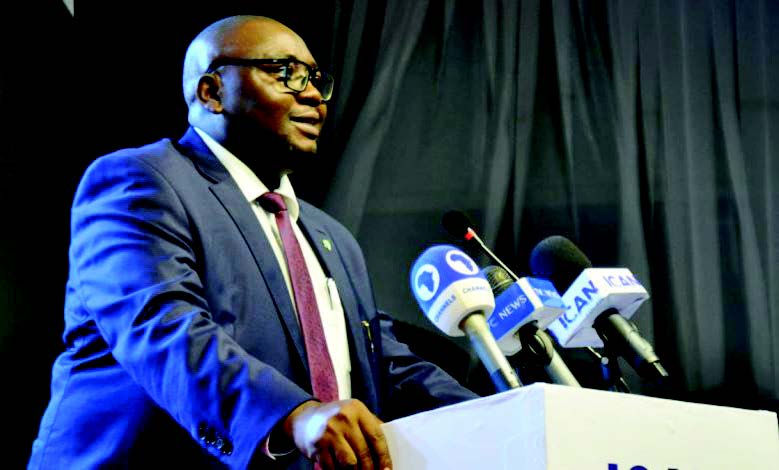
At the AFNIS summit, Minister of Power, Adebayo Adelabu, unveiled a suite of energy reforms designed to promote local content, grid decentralization, and clean energy investment. “With a population of over 200 million, meeting Nigeria’s electricity demand requires clear regulations, local participation, and sustained investment,” Adelabu said. “Under President Tinubu’s Renewed Hope Agenda, we’re strengthening domestic capacity to reduce import dependence.”
Some of the most critical milestones include:
- Operationalizing the Independent System Operator (ISO) in April 2025, to improve market transparency and accountability
- Rolling out cost-reflective tariffs for Band A customers, boosting power sector revenue by N700 billion – from N1 trillion in 2023 to N1.7 trillion in 2024
- Leveraging the Electricity Act of 2023 to decentralize the power market, with 11 states now exercising regulatory control over their own sub-national electricity markets
- Commissioning new metering test stations in Kano and Benin, and training over 1,000 young Nigerians through the NextGen RESCOs program to manage mini-grids
In tandem with these policies, over 17.5 million Nigerians are being targeted for off-grid electrification through the DARES project, while the Energising Education Programme is adding 100MW of clean energy to federal universities and teaching hospitals.
A Unified Vision for Value Addition
What unites Nigeria’s reforms in solid minerals and power is a singular, strategic idea: value must be created at home.
“Let this summit be the place where bold commitments are made, and where value addition becomes a shared continental goal,” Dr. Alake urged fellow African leaders.
This isn’t just political rhetoric. Already, Nigeria is implementing the African Mineral and Energy Resources Classification and Management System (AMREC) and the Pan-African Resources Reporting Code (PARC) – continental frameworks to standardize mineral exploration data, reduce risk, and boost investor trust. Ministers from across Africa have agreed to adopt the code and institutionalize its use in both public and private reporting.
In his remarks, Kenya’s Cabinet Secretary for Mining, Hassan Joho, echoed Alake’s vision: “It’s time for African countries to work together in creating jobs and wealth that can transform the region and the people for global development.”
The ESG Imperative and the Green Future
According to Faruk Yusuf Yabo, Permanent Secretary at the Ministry of Solid Minerals Development, Nigeria is also embedding Environmental, Social, and Governance (ESG) principles into the DNA of its mineral and energy strategies. He noted that public-private partnerships under the Renewed Hope Agenda will increasingly prioritize climate-conscious investment, community development, and green infrastructure.
“We’re not just talking about extraction. We’re building an ecosystem that includes green financing, battery innovation, clean energy, and inclusive job creation,” Yabo said.
From Raw to Refined, From Rent to Revenue
Nigeria’s reforms are showing that economic sovereignty begins with value addition. Whether in lithium processing, EV manufacturing, energy regulation, or grid decentralization, the country is signaling a future where Africa is no longer a passive exporter of raw wealth, but an active architect of industrial progress.
The numbers speak for themselves – N38 billion in mining revenue, $800 million in processing investments, 867 new licenses, N1.7 trillion in power sector revenue, and millions set to benefit from clean and decentralized electricity.