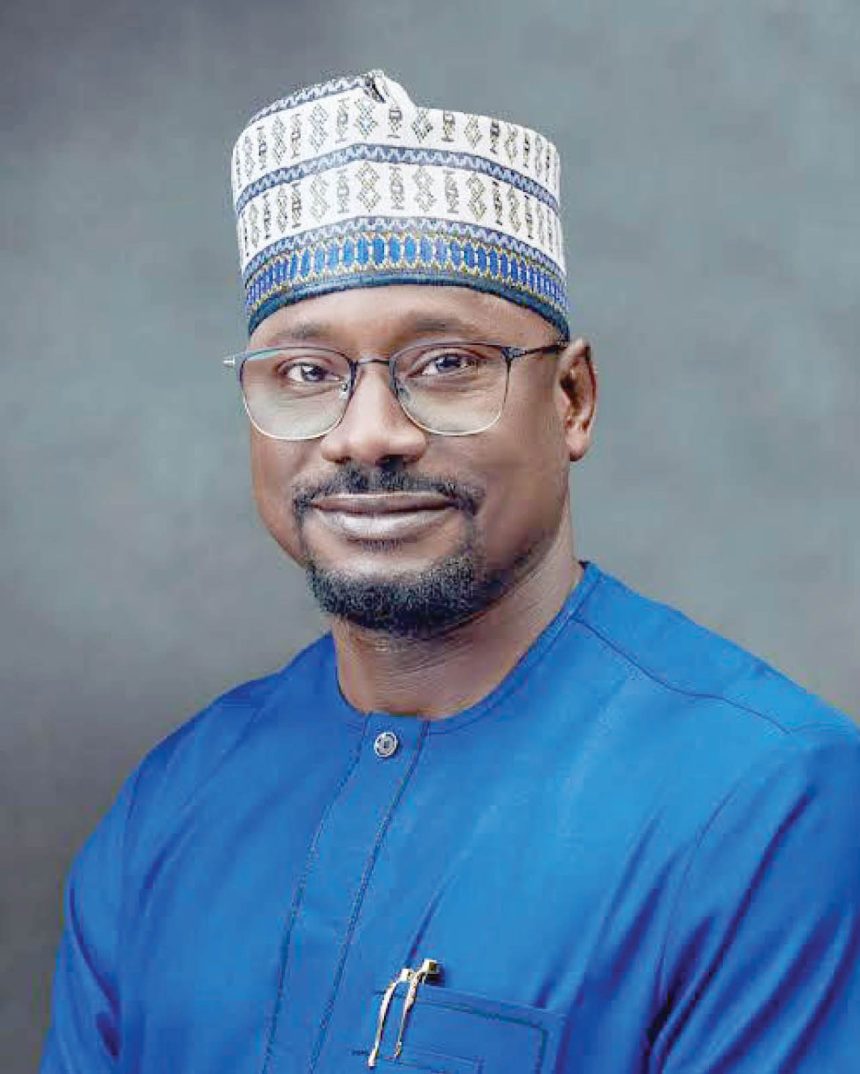
By Kingsley Benson
For the Rural Electrification Agency (REA), partnerships are the heartbeat of its mission to deliver affordable and sustainable power to Nigeria’s most remote communities.
On Wednesday, September 10, 2025, that mission found new expression in Uyo, Akwa Ibom State, where REA signed a Memorandum of Understanding (MoU) with the state government to accelerate rural electrification and renewable energy deployment.
Managing Director of REA, Mr. Abba Aliyu, described the agreement as a “milestone moment,” stressing that Akwa Ibom’s commitment aligns perfectly with the national electrification program. “Governor Eno’s leadership provides a model of how states can drive energy access by creating the right environment for private sector investment and innovation,” Mr. Aliyu said.
A Shared Vision for Energy Access
For REA, the partnership is more than paperwork. It is an opportunity to operationalize its mandate in a state that has already laid strong groundwork. Over the past year, Akwa Ibom has delivered a State Electricity Policy (2024), enacted an Electricity Law (2025), and set up regulatory frameworks to attract investors.
“These legal and policy foundations give us the confidence to engage,” Mr. Aliyu explained. “They show that Akwa Ibom is serious about moving from aspiration to action, and that makes collaboration much easier.”
REA officials emphasized that the MoU would not only unlock large-scale projects but also bring electricity closer to underserved villages. From solar mini-grids to community hydro plants, the agency sees Akwa Ibom as fertile ground for innovative, off-grid solutions.
Tools for Targeted Impact
One highlight of the roundtable was the demonstration of the REA Community Mapping Tool, presented by a technical adviser from the Nigerian Electrification Program (NEP). The tool provides data-driven insights into unserved and underserved communities, allowing REA and Akwa Ibom authorities to prioritize locations for electrification.
“Access to reliable data is critical,” said Mr. Aliyu “With mapping, we can avoid duplication, focus resources, and make sure no community is left behind.”
Alignment with National Goals
From REA’s standpoint, Akwa Ibom’s ARISE Agenda – which places electricity at the heart of agriculture, industry, education, and healthcare – mirrors the federal government’s push to use power as a driver of inclusive growth.
Deputy Governor Dr. Akon Eyakenyi called the agreement a “critical milestone” toward universal access, particularly for rural households that have waited decades for electricity. Her remarks resonated with REA’s long-standing argument that energy poverty must be addressed at the grassroots level, where the benefits of electrification are most immediate and profound.
Opportunities in Renewables
Commissioner for Power, Rt. Hon. Iniobong Robson Etebe, outlined opportunities in solar, hydro, and gas-to-power projects. REA sees these as crucial entry points for private investment, with the state government pledging to support projects through expedited permits, land allocation, and regulatory clarity.
Mr. Aliyu noted that these assurances matter greatly to investors: “Private developers often hesitate because of land and permit issues. With Akwa Ibom’s commitment to clear those hurdles, we expect faster project delivery and better investor confidence.”
Beyond the MoU
The signing was attended by senior officials, including the Secretary to the State Government Prince Enobong Uwah, Chief Delivery Advisor Mr. Aniefiok Johnson, the Attorney-General (AG), and commissioners across key ministries. For REA, their presence sent a signal that rural electrification has become a government-wide priority in Akwa Ibom.
Looking ahead, the agency intends to use the MoU as a launchpad for broader collaboration – bringing financiers, developers, and local communities into the electrification ecosystem.
Lighting the Path Forward
For REA, the partnership with Akwa Ibom State is a proof of concept: that when states take ownership of their energy future, federal programs can deliver faster and more effectively.
“This is how we close the energy access gap,” Mr. Aliyu concluded. “One state at a time, with strong political will, the right policies, and partnerships that put people first. Akwa Ibom has shown the way, and REA is proud to walk this journey with them.”
With Nigeria still battling to provide universal energy access, the Uyo MoU underscores a broader truth: electrification is not just about wires and kilowatts – it is about dignity, opportunity, and sustainable growth for millions of rural Nigerians.