By Anita Dennis
For the first time in three years, Nigerians are beginning to feel a measure of relief at the markets. The Central Bank of Nigeria (CBN) has announced that the country’s inflation rate fell to 18.02 percent in September 2025, marking six consecutive months of decline – and the lowest level since 2022.
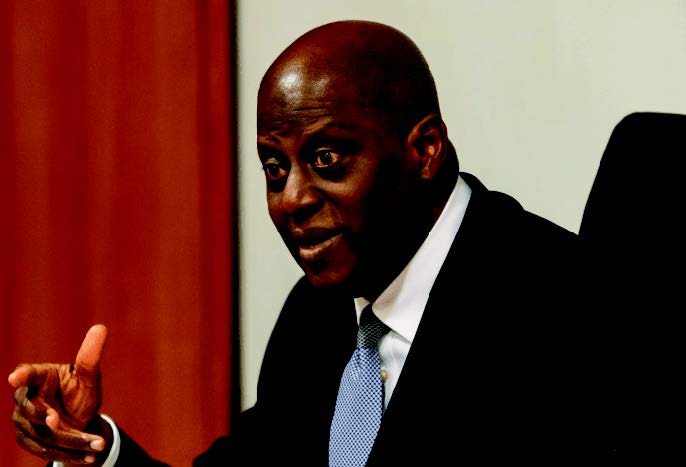
The Governor of CBN, Mr. Yemi Cardoso, speaking in Washington recently, described the sustained drop as “a turning point” for Africa’s largest economy.
He said that the decline reflects the positive effects of the apex bank’s monetary reforms and firm policy direction aimed at restoring price stability.
According to data released by the National Bureau of Statistics (NBS), core inflation slowed to 19.53 percent, while food inflation – long the biggest driver of hardship for households – moderated to 16.87 percent over the same period.
The decline represents a sharp reversal from the inflationary peak of 34.19 percent recorded in June 2024, which was triggered by high energy costs, currency depreciation, and supply chain disruptions.
Mr. Cardoso credited the reversal to “decisive monetary policy actions” taken by the CBN over the past year. “In response to those pressures, we raised the Monetary Policy Rate (MPR) from 18.75 percent to 27.50 percent through a sustained tightening cycle,” he said.
The bank also increased the cash reserve ratio (CRR) – the portion of deposits commercial banks must keep with the CBN – to 50 percent for commercial banks and 16 percent for merchant banks.
At its most recent meeting in September, the CBN slightly eased its stance, lowering the MPR by 50 basis points to 27.00 percent and reducing the CRR for commercial banks to 45 percent, while maintaining a firm anti-inflation position.
Monetary tightening, Mr. Cardoso explained, was complemented by reforms in the foreign exchange (FX) market, including exchange rate unification and new transparency measures to improve price discovery. “These efforts have helped to stabilise the Naira and reduce distortions in the FX market,” he said.
The governor noted that the spread between the official and bureau de change (BDC) rates has now narrowed to below two percent, signalling improved stability and confidence in the market.
Improved FX liquidity, he said, has also helped ease imported inflation – one of the key factors driving previous price spikes. “Foreign reserves remain above 43 billion dollars, providing more than eleven months of forward import cover, supported by sustained forex inflows,” Cardoso stated.
He assured that the CBN remains focused on sustaining the disinflation trend through exchange rate stability, improved agricultural output, and better coordination of fiscal and monetary policies. “A stable currency, increased food supply, and continued moderation in petroleum product prices will strengthen the disinflation process,” he said.
Mr. Cardoso, who spoke at the sidelines of the World Bank–IMF Annual Meetings in Washington, reiterated that Nigeria’s economic reforms are beginning to yield results. “Our goal has always been to restore confidence in the financial system, safeguard the value of the Naira, and make inflation predictable. We are seeing the early signs that our strategy is working,” he stated.
The CBN governor’s remarks come amid growing optimism among international observers that Nigeria’s tight monetary stance – combined with ongoing fiscal discipline – could lay the groundwork for economic recovery in 2026.
After years of steep price increases and currency volatility, the latest figures suggest a gradual return to stability. For millions of Nigerians, that could mean one thing: a faint but hopeful signal that the cost of living may finally be easing its relentless climb.