
By Musa Ibrahim
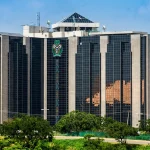
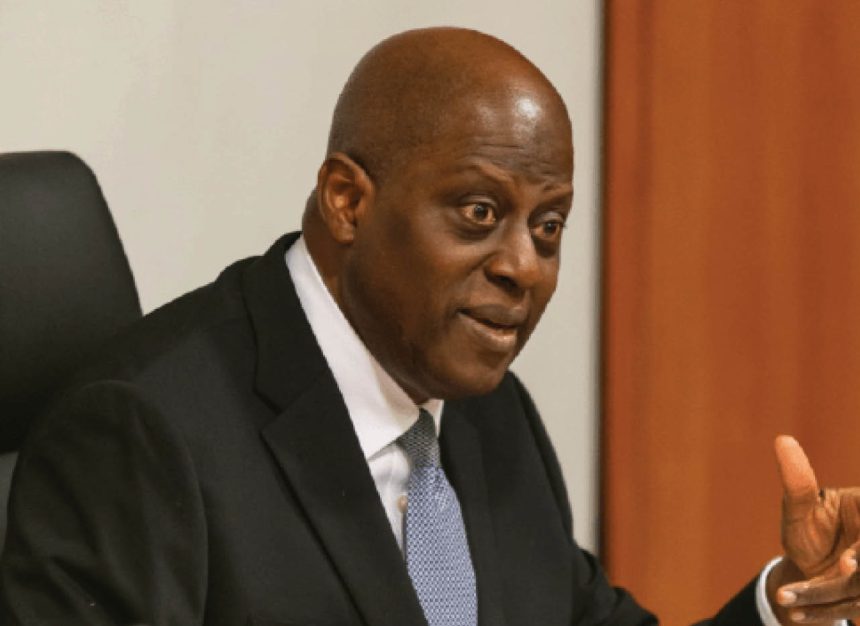
The Central Bank Nigeria (CBN) is projecting renewed stability for the national currency following two years of sweeping reforms in the foreign exchange market. The Governor of the CBN, Mr. Olayemi Cardoso, said the country has moved beyond the cycle of persistent naira devaluation that characterised earlier periods of macroeconomic instability.
Speaking in Lagos during the Annual Distinguished Alumni Lecture organised by the St. Gregory’s College Old Boys Association, Mr. Cardoso argued that recent monetary and foreign exchange reforms have restored credibility to Nigeria’s currency and strengthened investor confidence in the financial system.
According to him, the reforms have also begun rebuilding trust among market participants who previously struggled with limited access to foreign exchange.
“These reforms have restored pride in our currency and strengthened confidence in our financial system,” he said.
Price Stability Remains Central To Monetary Policy
Mr. Cardoso said the Central Bank’s immediate priority remains restoring price stability and reducing inflation to single digit levels. He acknowledged that the process will take time, particularly in a global environment marked by recurring economic shocks.
Inflation, he noted, acts as an implicit tax that disproportionately affects low-income households.
“Our goal remains to bring inflation down to single digits. This cannot happen overnight,” he said, adding that external developments will continue to influence domestic price levels.
Despite those pressures, the apex bank intends to maintain a policy stance aimed at stabilising prices while preserving macroeconomic stability.
Forex Market Reforms Change The Landscape
A key pillar of the reforms has been restructuring Nigeria’s foreign exchange market. Mr. Cardoso said the elimination of the country’s long standing multiple exchange rate system has helped create a more transparent and accessible market.
In the past, the official exchange rate was often significantly lower than rates available in the parallel market. Yet only a small group of users could actually obtain foreign currency at the official rate.
That structure created distortions in the economy and encouraged arbitrage opportunities.
He argued that although the exchange rate now appears higher than before, access to foreign exchange has improved substantially because transactions are increasingly conducted through formal channels.
He cited practical examples, including the ability of Nigerians travelling abroad to use their naira payment cards directly without relying on informal currency markets.
Gap Between Official And Parallel Markets Narrows
The apex bank governor said improved liquidity has also reduced the spread between official and parallel market exchange rates.
According to him, the premium between the two markets has declined sharply from roughly 50 percent in 2022 to less than two percent on average in 2025.
That convergence suggests the foreign exchange market is gradually becoming more unified and efficient.
Mr. Cardoso noted that the Central Bank previously had to intervene heavily in the market to maintain activity. Today, the system functions more independently, with the apex bank stepping in only when necessary.
Capital Inflows And Reserves Strengthen
The reform programme has also begun attracting stronger capital inflows.
Mr. Cardoso disclosed that Nigeria recorded nearly a 200 percent increase in foreign capital inflows between 2023 and 2025. At the same time, the country’s external reserves have climbed above 50 billion dollars, the highest level recorded in more than thirteen years.
These developments, he said, reflect growing confidence among both domestic and international investors.
Investors, he noted, are more willing to commit capital when financial markets operate under transparent rules and credible institutions.
Financial System Resilience In A Volatile World
The governor emphasised that strengthening Nigeria’s banking system remains a critical part of the reform agenda. Measures aimed at improving bank capitalisation and regulatory oversight are intended to create a financial sector capable of withstanding global economic shocks.
He warned that the international environment remains uncertain, pointing to geopolitical tensions involving the United States, Israel and Iran that could disrupt global supply chains and increase volatility in energy markets.
Nevertheless, Mr. Cardoso expressed confidence that Nigeria’s economic reforms have positioned the country to absorb external shocks more effectively.
“Storms may come, but our house will stand firm,” he said.
Technology Expands Financial Inclusion
Beyond macroeconomic reforms, the Central Bank is also focusing on the rapid expansion of financial technology.
He said Nigeria now hosts one of the world’s most dynamic fintech ecosystems. Digital payment platforms, mobile banking services and other financial innovations are helping extend financial services to millions of Nigerians who were previously excluded from the formal banking system.
These technologies are enabling faster payments, improved lending processes and wider access to investment opportunities.
The apex bank, he explained, is working closely with fintech companies to develop regulatory guidelines covering areas such as Know Your Customer compliance and operational risk management.
Such frameworks are designed to protect the integrity of the financial system while allowing innovation to grow sustainably.