
By Ahmed Ahmed
The federal government has taken a significant step toward reviving large scale offshore oil investment after President Bola Ahmed Tinubu approved a targeted fiscal incentive package designed to unlock the long delayed Bonga Southwest Aparo deepwater project.
The Nigerian National Petroleum Company Limited (NNPC) announced that the approval clears major fiscal and commercial hurdles that had stalled the project for nearly two decades. The development could attract about 20 billion dollars in foreign direct investment and signal renewed confidence in Nigeria’s deepwater oil sector.
The Bonga Southwest Aparo (BSWA) field is operated by Shell through its Nigerian deepwater subsidiary, Shell Nigeria Exploration and Production Company.
Once fully operational, the project is expected to produce about 150,000 barrels of crude oil per day and roughly 140 million standard cubic feet of natural gas daily.
Fiscal Reforms Break Longstanding Investment Deadlock
According to the statement issued in Abuja by NNPC spokesperson, Mr. Andy Odeh, the presidential approval followed months of technical and commercial negotiations involving the national oil company, the Nigeria Revenue Service (NRS), energy policy advisers and the global leadership of Shell.
The initiative also involved Olu Verheijen and Shell’s chief executive Wael Sawan.
The discussions focused on resolving fiscal uncertainties that previously prevented the project partners from reaching a Final Investment Decision.
Under the new framework, the government approved an enhanced production tax credit alongside other fiscal adjustments aimed at improving the project’s commercial viability while preserving Nigeria’s long term revenue interests.
First Deepwater Investment Decision Since 2008
The Bonga Southwest Aparo project is expected to become the first deepwater Final Investment Decision on a Production Sharing Contract asset in Nigeria since 2008.
That milestone is important for the country’s petroleum sector, where several offshore developments have remained stalled due to regulatory uncertainty, tax disputes and shifting global investment priorities.
Industry analysts view the latest approval as a signal that Nigeria is attempting to restore its competitiveness in attracting capital intensive offshore projects.
NNPC Describes Approval As Strategic Breakthrough
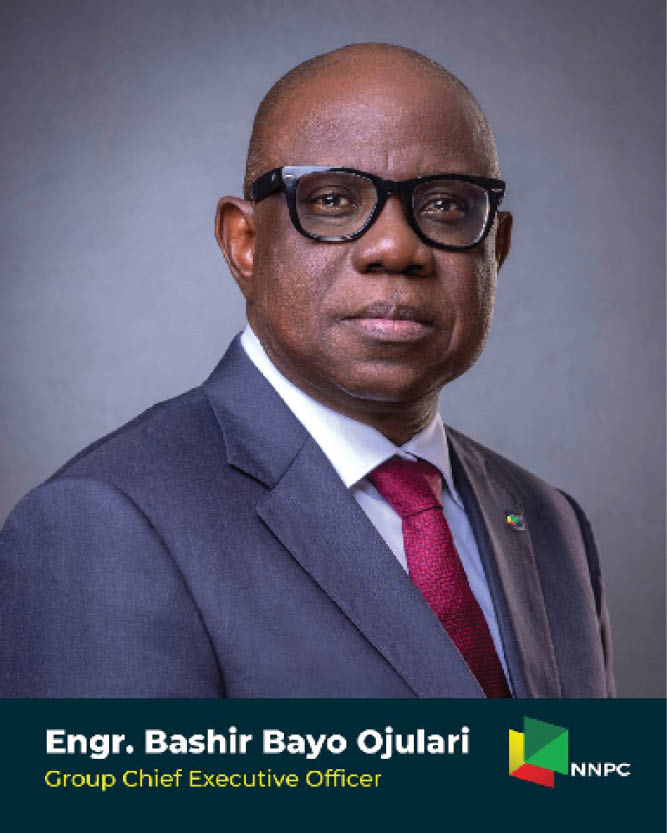
Group Chief Executive Officer of NNPC, Mr. Bayo Ojulari, described the development as a major breakthrough for Nigeria’s energy sector.
He said the project had been delayed for almost twenty years because of fiscal and commercial uncertainties but noted that recent policy reforms have helped resolve those challenges.
According to him, the approval reflects the government’s determination to unlock strategic investments through stronger partnerships with international oil companies.
He said the agreement demonstrates Nigeria’s ability to structure complex investment frameworks that can attract global capital while delivering value for the country.
Economic Impact And Job Creation
The deepwater development is expected to generate substantial economic benefits once construction and operations begin.
NNPC estimates the project will create more than 5,000 direct and indirect jobs during its development and operational phases. It is also expected to strengthen government revenues through increased oil production and associated gas output.
Beyond the immediate project, the breakthrough could stimulate a new cycle of offshore exploration and production investments as international oil companies reassess Nigeria’s investment climate.
Deepwater projects typically require stable fiscal terms because they involve high upfront capital costs and long development timelines.