By Anita Dennis
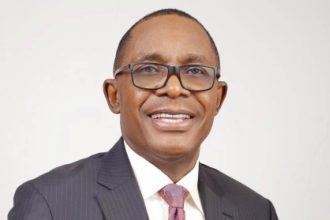
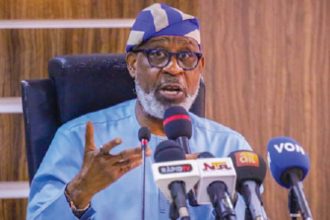
The Chairman of Federal Inland Revenue Service (FIRS), Dr. Zacch Adedeji, has defended the federal government’s borrowing strategy, asserting that it remains a vital component of Nigeria’s economic plan despite a 411% revenue surge to N3.64 trillion in September 2025, up from N711 billion in May 2023.
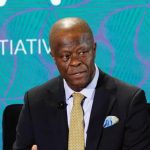
Speaking at the Meet-the-Press series in Aso Villa, Abuja, recently, Dr. Adedeji argued that borrowing is not a sign of weakness but a structured approach to fund long-term development, as approved in the 2025 budget.
“Borrowing is not a problem,” Dr. Adedeji said, explaining that if expenditure is N100,000 and revenue covers N80,000, borrowing N20,000 is planned and necessary. “Banks are part of our economic ecosystem. When the government borrows, it pays interest, which fuels salaries and taxes.” He emphasized that loans fund infrastructure like roads, allowing future tax revenues to repay debts, aligning with his “Matchy Concept” of shared generational costs.
This comes amid President Bola Tinubu’s July request for a $21.5 billion external loan, including a $2 billion bond and N757.98 billion for pension liabilities, despite his September 2 claim that Nigeria met its 2025 revenue target early, reducing borrowing reliance. Dr. Adedeji dismissed critics as “container economists” who misunderstand the role of borrowing in sustainable growth. He noted that stopping Ways and Means borrowing has stabilized the exchange rate, with the government now repaying both principal and interest.
The revenue boom, driven by non-oil receipts of N1.06 trillion (up from N151 billion) and oil revenue of N644 billion, alongside a threefold VAT increase to N723 billion, reflects reforms like streamlined taxes, e-invoicing, and reduced corporate rates. These have boosted economic activity, with states benefiting from higher Federation Accounts Allocation Committee shares, reducing bailout requests. Dr. Adedeji highlighted plans to harmonize subnational levies and introduce a presumptive tax regime to further expand compliance.
As Nigeria’s economy grows – evidenced by a 4.23% GDP increase in Q2 2025 -the government’s strategy balances robust revenue gains with strategic borrowing to drive infrastructure and sustain progress toward a $1 trillion economy by 2030.