By Musa Ibrahim
The mission for the Renewed Hope Agenda is unmistakable: rebuild the Nigerian state into a system that works – for people, for business, and for future generations. From public sector efficiency to digital transformation, the reform blueprint has been both ambitious and urgent.
One institution silently rewriting its story in line with this agenda is the Federal Road Safety Corps (FRSC). Once known primarily for roadside enforcement, the corps is undergoing a bold reinvention – emerging as a digital-first, service-driven national safety agency at the centre of Nigeria’s mobility ecosystem.
More Than Traffic Control
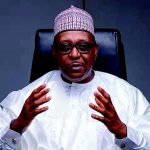
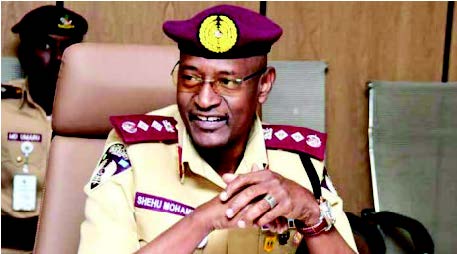
Under the leadership of Corps Marshal Shehu Mohammed, the FRSC is expanding its mandate beyond regulating road use. It is repositioning itself as a data-centric logistics actor, a reform-driven institution, and a visible arm of Nigeria’s developmental state.
In this new era, road safety is no longer treated as a side issue. It is being recognised as a cornerstone of public health, commerce, and national productivity. Every crash averted saves lives, prevents losses, and boosts investor confidence in Nigeria’s transport infrastructure.
Smart Safety Through Digital Reform
A pillar of President Tinubu’s governance reforms is the digitisation of public services – and the FRSC is moving with speed. In 2024 alone, the corps rolled out an impressive array of tech-driven initiatives:
- Body-worn cameras for patrol officers, curbing bribery and ensuring transparency.
- Automated Number Plate Recognition (ANPR) systems for real-time enforcement.
- A new Crash Report Dashboard to support research, insurance processing, and government planning.
- Radar gun systems to reduce speeding and monitor compliance.
- An upgraded National Vehicle Identification System (NVIS) to improve tracking and curb vehicle-related crime.
These innovations do not just modernise enforcement; they make FRSC a crucial player in President Tinubu’s push for a responsive, data-powered federal service.

Reform Begins Within
Institutional change is more than gadgets and apps – it is about people. The FRSC has embraced internal restructuring, emphasising training, performance, and accountability.
Under Corp Marshal Mohammed’s leadership, the corps has:
- Introduced competency re-evaluation programs for staff at all levels.
- Transitioned from manual to digital processes across regional commands.
- Partnered with Nigerian universities and global donors to launch road safety research hubs.
- Embedded human capital development into its operational culture.
This aligns with President Tinubu’s broader goal of building a results-oriented, citizen-first federal workforce.
Private Sector Partnerships with Public Value
True to the President’s pro-market governance model, FRSC, according to Corp Marshall Mohammed, is now working more closely with the private sector to deliver impact. Through targeted public-private partnerships (PPP), the corps is co-deploying:
- Smart signage and speed-reduction infrastructure on major highways.
- Toll data management systems for enhanced traffic analytics.
- A digital insurance verification system in collaboration with the Nigerian Insurers Association.
The FRSC is also providing technical input for road safety audits on federally funded infrastructure projects—ensuring that what gets built serves both mobility and safety.
Safer Roads, Stronger Nigeria
At the heart of FRSC’s renewed mission is the implementation of Nigeria’s Road Safety Strategy II (2021–2030) – a comprehensive framework aimed at cutting road fatalities by half.
Key priorities include:
- Adopting United Nation (UN) road safety performance targets as national benchmarks.
- Ensuring new road designs meet global safety standards.
- Strengthening post-crash emergency response through coordination with NEMA, ambulance services, and private sector EMTs.
Rebuilding Trust Through Compliance
A major challenge in Nigeria’s road environment is the prevalence of forged licenses and fake documentation. In response, the FRSC is stepping up compliance enforcement and identity integrity, powered by reform-era collaboration:
- Only individuals with valid National Identification Numbers (NIN) can now obtain or renew a driver’s license.
- Joint operations with EFCC and ICPC are targeting corrupt intermediaries and license touts.
- A coordinated platform with state Vehicle Inspection Officers (VIOs) ensures oversight while decentralising access.
In 2024 alone, these efforts led to a 20 percent increase in verified renewals and a sharp drop in fake document issuance.
Gender Inclusion on the Frontlines
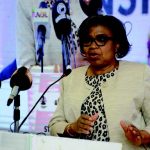
As part of President Tinubu’s commitment to gender equity, FRSC is increasing female participation at command levels and in frontline operations.
From targeted community education programs for women to expanded maternity support policies for officers, the corps is creating room for women not just as beneficiaries, but as architects of Nigeria’s safer transport future.
What is emerging is not just a safer road network – but a smarter, more responsive public institution. The FRSC is becoming a symbol of what reform can achieve: blending tradition with technology, enforcement with empathy, and service with strategy. It is no longer just managing traffic – it is managing change.
… FRSC is increasing female participation at command levels and in frontline operations