By Majeed Salaam
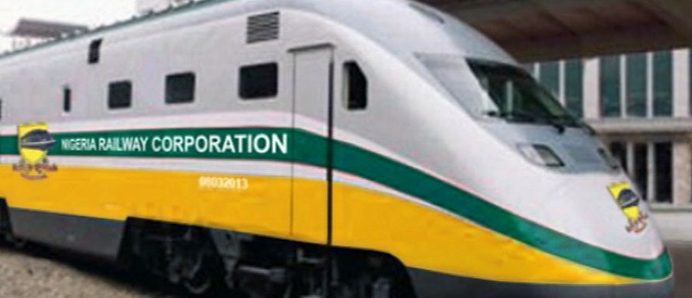
After over two decades of inactivity and deterioration, the long-neglected Eastern railway corridor is receiving a new lease on life. The Nigerian Railway Corporation (NRC) has confirmed that the federal government has begun full-scale reconstruction and rehabilitation of the Eastern narrow-gauge rail line – starting from Port Harcourt in Rivers State to Aba in Abia State.
This development marks a major milestone in Nigeria’s rail infrastructure revival under President Bola Tinubu’s ‘Renewed Hope Agenda’, and is set to restore connectivity to a region that has long yearned for the return of train services.
Speaking recently in Enugu during a nationwide survey on abandoned railway lines conducted by the News Agency of Nigeria (NAN), the NRC’s Railway District Manager for the Eastern District, Mr. Victor Adamu, announced that the contract segment was officially handed over to the NRC on November 28, 2024. Since then, progress has been steady.
“We now have coaches operating from Port Harcourt to Aba and back, five days a week,” Adamu stated proudly. “This corridor spans key southeastern states including Enugu, Abia, Ebonyi, Rivers, and part of Egbede in Benue State, covering about 110 kilometers.”
Mr. Adamu acknowledged that work had temporarily stalled on the stretch from Aba to Enugu but assured that government efforts are ongoing to restart the segment. He emphasised that the President Tinubu administration is committed to completing the entire Eastern corridor – from Port Harcourt to Maiduguri.
“This is a project that the Southeast and other parts of the country will benefit from immensely,” he said. “The federal government is working to ensure the corridor comes alive again.”
He revealed that the Managing Director of NRC, Mr. Kayode Opeifa, visited Enugu in April for strategic discussions with governors of Enugu and Abia states; an engagement expected to accelerate construction timelines and unlock more regional cooperation.
One of the most promising developments is a policy shift under President Tinubu’s administration that allows state governments to invest directly in rail infrastructure. According to Mr. Adamu, southeastern states like Anambra, Abia, and Enugu have already expressed interest in participating.
“With this new policy framework, I believe we’ll start seeing tangible dividends soon,” he noted, adding that partnerships with subnational governments could inject new funding and local ownership into the project.
While progress is visible on the tracks, challenges persist – chief among them, vandalism of rail infrastructure. Mr. Adamu lamented the theft and destruction of vital components by criminals in Imo, Rivers, and Enugu states.
“These facilities are national assets, meant for Nigerians. We must own and protect them,” he urged.
To tackle this threat, the NRC has teamed up with security agencies, including the Nigeria Police Force, the Nigeria Security and Civil Defence Corps (NSCDC), the military, and local vigilantes. Several suspects have already been arrested and are currently facing trial for rail-related vandalism.