REFORM TALKS with Enam Obiosio
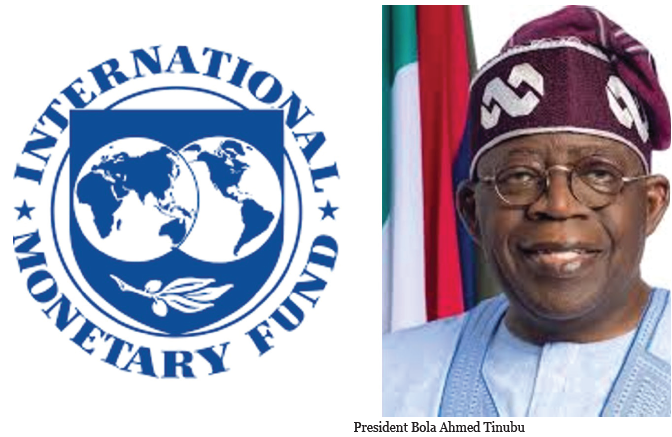
After decades of observing Nigeria’s economic policy evolution, it can only reasonable to distinguish between change on paper and progress in concrete terms. The recent review by the International Monetary Fund (IMF) is not just a typical fiscal report – it is a mirror, held up for both the governments in Nigeria and Nigerians. It acknowledges the reforms we have launched, yes. But it also challenges us to answer the most important question: Are Nigerians feeling the impact?
The IMF’s three-point recommendation – deepen inclusive growth, strengthen fiscal discipline, and boost domestic revenue – is both familiar and fundamental. It is the same checklist every well-meaning economist has placed before us over the years. What is different now is that Nigeria has actually begun to tick some of those boxes.
We have scrapped the fuel subsidy, unified the exchange rate, expanded digital cash transfers, and moved forward on long-delayed tax reforms. These are not cosmetic adjustments. They are heavy, politically risky changes that previous administrations sidestepped. This government, to its credit, took the hard route. But now the burden has shifted: we must show results that Nigerians can see, touch, and believe in.
On Inclusive Growth: From Welfare to Productivity
The IMF rightly notes that growth without inclusion is not sustainable. Poverty and food insecurity remain painfully high. But I see some promising shifts. The government has scaled up the National Social Register, expanded conditional cash transfers, and made digital identification mandatory for benefits. Over 300,000 students are already benefitting from the new Student Loan Scheme. These are not handouts; they are investments in human capital.
Even more significantly, the creation of the National Credit Guarantee Company (NCGC) signals a move from welfare to wealth creation. This initiative aims to unlock affordable credit for MSMEs, arguably the most under-capitalised yet productive segment of our economy. If properly executed, NCGC could be the bridge between ideas and capital – between poverty and prosperity. The key now is execution, transparency, and measurable impact.
On Fiscal Discipline: More Numbers, Less Noise
Nigeria has struggled with budgets that are more political than practical. The IMF’s push for realistic assumptions, strong expenditure control, and transparent implementation is spot on. Thankfully, we are starting to see some discipline emerge. Performance-based budgeting is gaining traction. Ministries are being held to stricter spending guidelines. Subsidy savings are being redirected – though too quietly, if you ask me.
Transparency cannot be optional. If citizens cannot see how public funds are used, public trust will collapse. Every naira saved from subsidy removal must be accounted for – not in briefings, but in data dashboards, school roofs, and hospital beds.
On Domestic Revenue: Reform with a Human Face
This is the thorniest issue, and the IMF does not sugarcoat it. Our tax-to-gross domestic product (GDP) ratio is among the lowest in Africa. Oil revenues are unstable. Debt service is eating up over 90% of federal income. We need to collect more – and smarter.
Simplifying tax payments, widening the net, and targeting compliance rather than harassment is the way forward. The TaxNet 2.0 initiative and the expansion of the Joint Tax Board database are steps in the right direction. But we must be careful: the average trader in Aba or farmer in Kogi cannot become a soft target for a system still too weak to tax the truly wealthy. As the IMF noted, reform must wait until the cost-of-living crisis eases – and must never punish those already struggling to survive.
Policy Is Not a Slogan – It Must Become Proof
Nigeria has made bold moves, no doubt. The IMF recognises that. But recognising effort is not the same as endorsing outcomes. As someone who has tracked our policy shifts for years, I can say this: reform fatigue is real. Nigerians have heard many promises. What they need now is evidence – of roads completed, jobs created, inflation tamed, and lives improved.
So, yes, the IMF is right to ask questions. And now, the government must show answers – not in white papers, but in the lived experience of millions. That is the only report card that truly matters.