
By Kingsley Benson
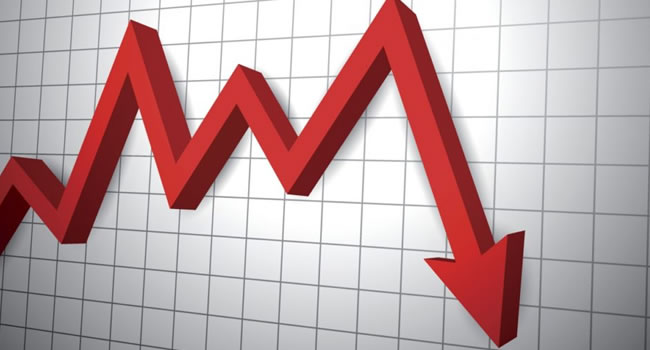
The country’s headline inflation eased marginally to 15.06 percent year-on-year (YoY) in February 2026, slightly down from 15.10 percent in January, according to the National Bureau of Statistics (NBS). However, month-on-month (MoM) figures surged to 2.01 percent, reflecting seasonal pressures tied to Ramadan, including early bulk-buying by households and reduced farming activities.
The inflation reading shows a mixed trend, with both food and core baskets registering increases. Food inflation accelerated to 4.69 percent from -6.02 percent in January, while core inflation rose to 0.89 percent from -1.69 percent. Analysts at Meristem attributed the MoM spike primarily to higher prices for key staples during Ramadan.
“Food inflation may edge higher on a month-on-month basis as Ramadan-related stockpiling and reduced farming activities drive prices for key staples, exerting upward pressure on monthly headline inflation,” Meristem analysts said. Their commodities price tracker highlighted rising costs for maize, sorghum, paddy rice, and soya beans, halting the declines observed in previous months.
The moderation in YoY headline inflation fell short of some analysts’ expectations. Meristem had projected January’s inflation at 13.48 percent, indicating that staple price pressures remain significant despite overall moderation. Food inflation posted the largest MoM jump at 10.70 percent, while core inflation increased by 2.5 percent.
Analysts noted that moderation in inflationary pressures was supported by stable core prices, reflecting lower energy and transportation costs. “Core inflation is expected to remain on a downward trend year-on-year, supported by cheaper fuel prices and a stronger Naira. The index may stabilise month-on-month rather than contract further,” Meristem stated.
Fuel prices eased slightly in February after Dangote Refinery reduced its ex-depot price of PMS by N25 per litre to N774 from N799 in January. Meanwhile, the Naira appreciated by 4.32 percent month-on-month, averaging N1,355.34 per dollar in the official window compared with N1,416.52 in January. These developments provided some relief to core inflation, helping to moderate transportation and energy costs.
The data underscores the interplay between seasonal factors, supply-side pressures, and monetary stability in shaping Nigeria’s inflation trajectory. While headline inflation has slightly eased, ongoing monitoring of staple prices and exchange rate movements remains critical for policymakers and market participants.