
By Jennete Ugo Anya
The Nigerian Export-Import (NEXIM) Bank, has not only earned a fresh vote of confidence in its financial strength but also posted one of its most impressive results in recent years.
Agusto & Co. Ltd., one of Nigeria’s leading rating agencies, has assigned the bank a Bbb+ rating, highlighting its resilience among development finance institutions.
This comes against the backdrop of a remarkable financial performance in 2024. NEXIM declared an operating profit of N30.47 billion, more than double the N13.75 billion it posted in 2023. The leap reflects both growing demand for non-oil export financing and the bank’s expanding role in cushioning Nigeria’s economy from oil dependency.
NEXIM was established to power non-oil exports and support import-substitution enterprises. Its latest financial statement highlights robust liquidity and capital adequacy, as well as a steadily growing portfolio of loans and equity investments in manufacturing, agriculture, solid minerals, and services.
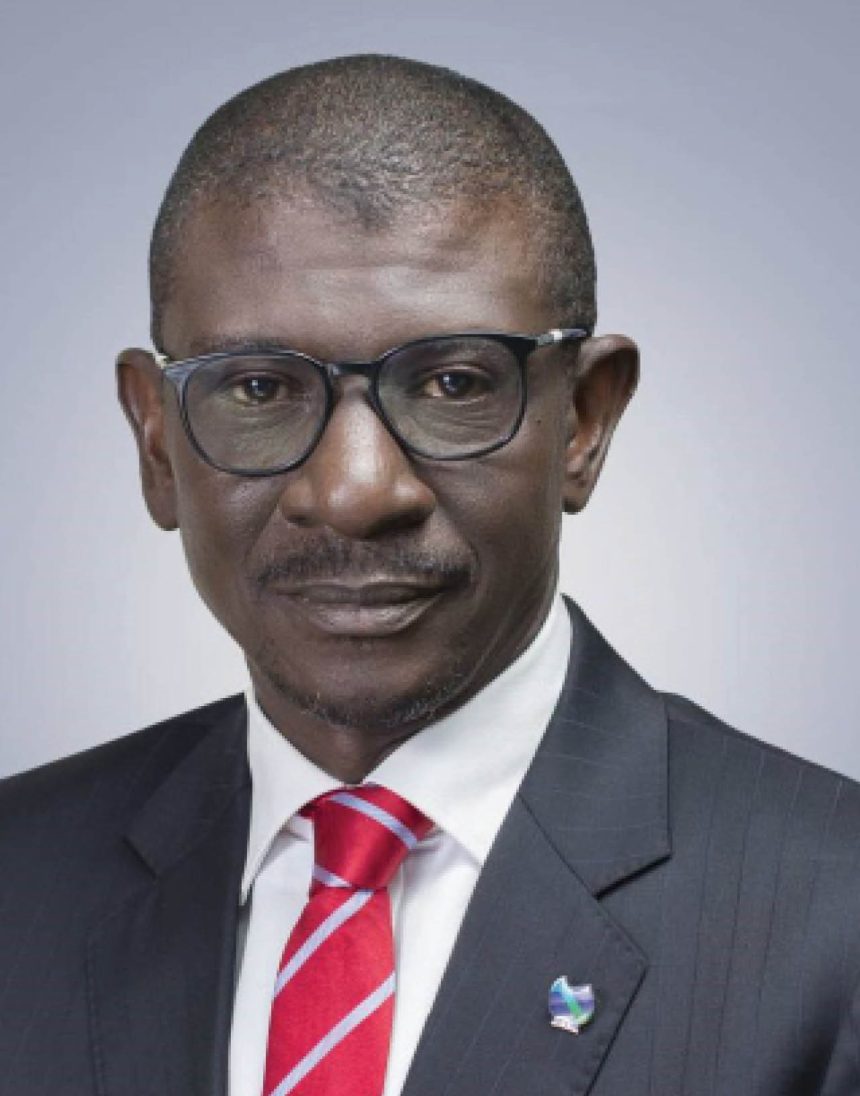
At a media briefing, Mr. Abba Bello, Managing Director of NEXIM, credited the results to sustained support for non-oil exporters. He revealed that the bank disbursed over N495 billion to various development finance projects, creating and sustaining more than 36,000 direct and indirect jobs. “Our interventions are not just about financing,” he said. “They are about enabling inclusive growth and strengthening Nigeria’s role in regional and global trade.”
One of the flagship initiatives is the Regional Sealink Project, a public-private maritime partnership designed to improve logistics and reduce trade bottlenecks across West and Central Africa. By enhancing sea transport networks, the project is expected to cut transaction costs and boost competitiveness for Nigerian exporters.
Beyond logistics, NEXIM is promoting factoring services to ease access to trade finance for small and medium enterprises (SMEs). It is also working with the African Export-Import Bank (Afreximbank) through the Joint Project Preparation Fund (JPPF), which aims to make large-scale, export-oriented projects bankable and attractive to investors.
The bank is equally deepening its commitment to the solid minerals sector. Mr. Bello disclosed that specialised financing models such as contract mining support, equipment leasing, and buyer’s credit facilities are being deployed to unlock Nigeria’s underdeveloped mining potential. “The opportunities in mining are vast, and we are strategically positioned to ensure Nigeria benefits fully from them,” he noted.
For Agusto & Co., the Bbb+ rating reflects NEXIM’s improving fundamentals and a governance framework backed by sovereign shareholders. For Nigeria, it reinforces the growing relevance of development finance institutions in diversifying the economy.
As the bank celebrates its 2024 performance, the twin achievements of profitability and credibility appear to be more than milestones – they signal NEXIM’s strengthening role in building a resilient, export-led economy for the future.
In another development, the Arab Bank for Economic Development in Africa (BADEA) recently paid a courtesy visit to the NEXIM bank, with discussions centered on strengthening economic ties and trade facilitation across Africa.
The delegation, led by Mr. Cedrick Montetcho, was received by Mr. Bello, alongside senior executives of the bank. Mr. Montetcho reaffirmed BADEA’s commitment to advancing socio-economic development on the continent through financing initiatives in infrastructure, healthcare, and the services industry, while emphasizing opportunities for greater collaboration with Nigerian institutions.
In his remarks, Mr. Bello outlined NEXIM’s mandate to drive non-oil exports and expand trade within Nigeria and Africa, noting the bank’s readiness to partner with BADEA on innovative financial instruments to stimulate export growth.
Both institutions agreed to formalize their partnership through the signing of a Memorandum of Understanding (MoU), which, according to them, will serve as a framework for joint projects aimed at enhancing trade, deepening economic cooperation, and fostering sustainable development across the regions they serve.