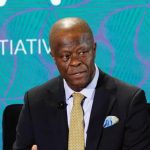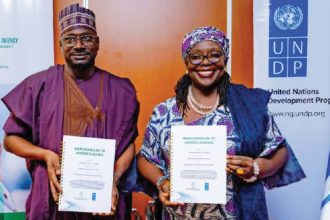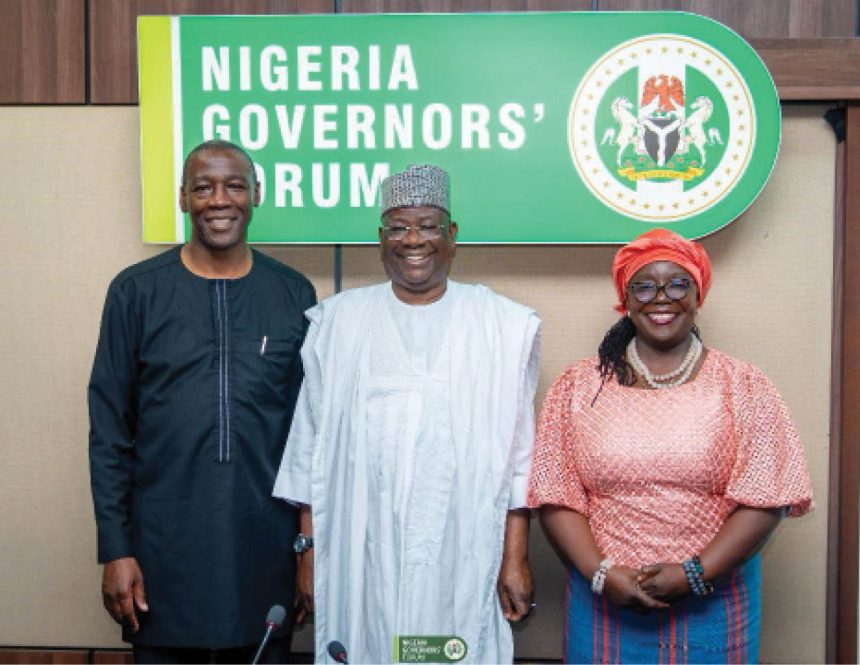
In a meeting that could reshape Nigeria’s subnational development, the Nigeria Governors’ Forum (NGF) recently hosted a high-level delegation from the United Nations Development Programme (UNDP) led by Ms. Elsie G. Attafuah, UNDP Resident Representative in Nigeria,
and Dr. Raymond Gilpin, Chief Economist for Africa. Held at the NGF Secretariat in Abuja and chaired by Dr. Abdulateef Shittu, Director-General of NGF, the roundtable centred on one key goal – translating Nigeria’s macroeconomic progress into tangible development outcomes at the subnational level. Enam Obiosio gives us insights of the meeting.
Speaking at the meeting, Dr. Abdulateef Shittu, Director-General (DG) of NGF, said: “We value UNDP’s long-standing partnership with the forum and the 36 state governments in driving inclusive growth and building resilient institutions. Your visit comes at a pivotal time as we deepen conversations around financing subnational development through innovative, blended, and sustainable mechanisms.”
From Macro Gains to Micro Realities
Dr. Gilpin described Nigeria’s recent economic performance as “remarkable” despite global headwinds, noting gross domestic product (GDP) growth averaging 3.4% in 2024 and projections trending toward 4-5%, alongside rising oil output and healthy foreign reserves.
However, he cautioned that these gains had yet to translate into widespread prosperity. According to him, the real transformation must begin at the state level. “It is the governors who are closest to the people and who can translate macroeconomic success into microeconomic progress,” he said.
Connecting Strategy, Finance, and Governance
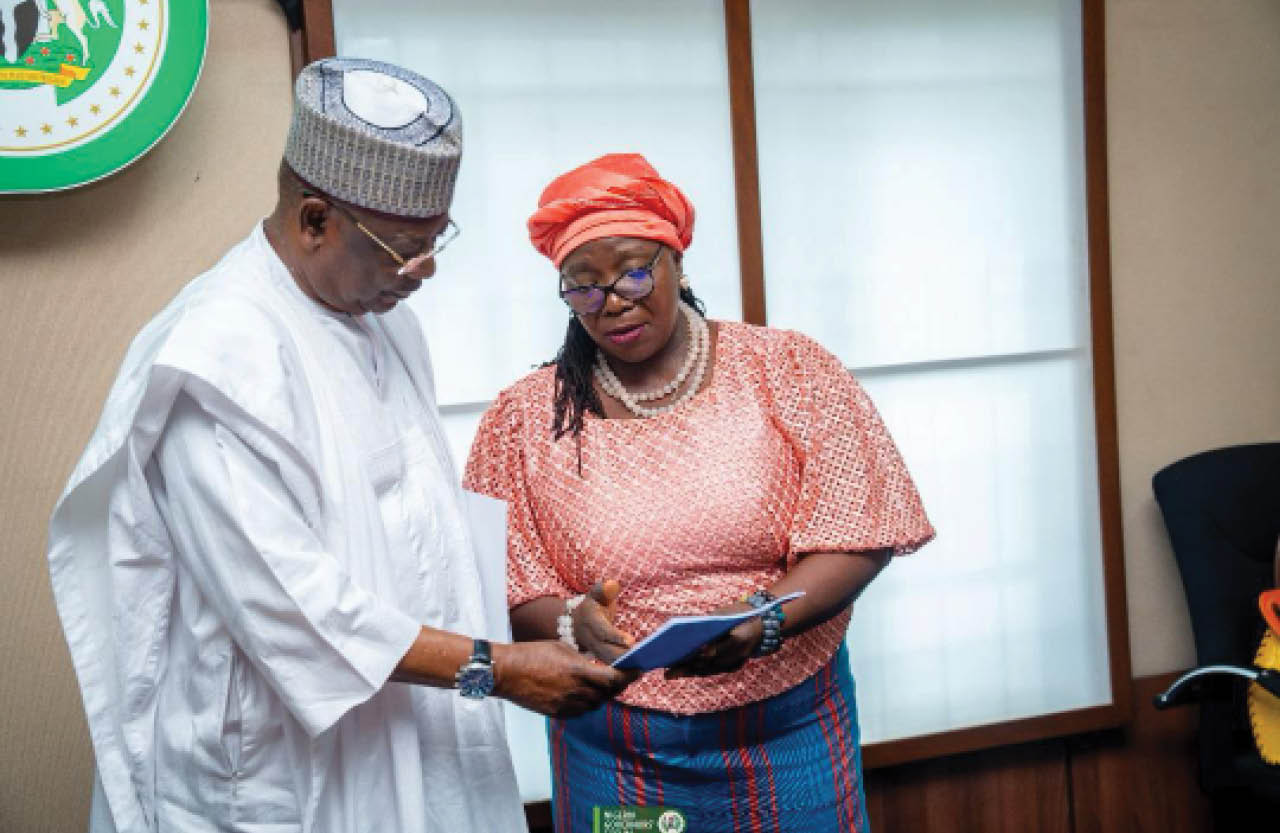
At the core of his remarks was what he termed the “three dots” of development – strategy, financing, and governance. “For development to be sustainable, strategy must connect with financing, and both must rest on sound governance,” he said.
Dr. Gilpin emphasized that financing remains both “the greatest opportunity and the greatest constraint” in Africa’s development equation. He urged African countries to approach financing as endogenous – driven by domestic innovation – rather than dependent on external aid.
“Across Africa, only three countries are currently investment grade. Nigeria is not yet one of them – but it can be,” he noted.
Credit Ratings and the Cost of Capital
Dr. Gilpin also highlighted Africa’s credit ratings challenge, revealing that the continent loses about $74 billion annually due to low ratings – more than total yearly aid. To tackle this, UNDP is implementing a Credit Ratings Initiative to help countries and subnational entities improve investment credibility and access affordable capital.
“Reducing the cost of borrowing is not just a fiscal matter,” he said. “It signals to investors that opportunities exist and enables governments and private enterprises to create jobs and build infrastructure.”
Technology, Data, and Evidence
He further called for evidence-based policymaking supported by technology and digital systems to strengthen governance and reduce inefficiencies. “Technology is not just about apps,” he said. “It’s about using AI and data to eliminate waste, cut transaction costs, and drive transparency.”
“Development must be informed by research, not impulse. Evidence must direct strategy, industries, and human capital development,” he added.
NGF’s Subnational Investment Push
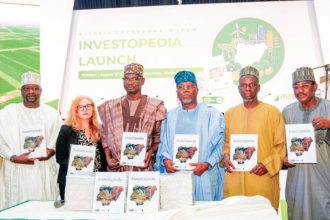
Dr. Shittu highlighted the NGF’s efforts to promote subnational investment through the NGF Investopedia, launched in August 2025. The platform aggregates and promotes over 269 bankable state projects valued at about $100 billion across 15 sectors, including agriculture, energy, ICT, and healthcare.
Following its debut in Abuja, the Investopedia was showcased at the Intra-African Trade Fair (IATF 2025) in Algiers and the Global Investors Gala in New York. These exhibitions, he said, “opened meaningful conversations with development finance institutions, sovereign wealth funds, and private investors on structuring transactions for subnational projects.”
Subnational Realities: Strengths and Gaps
Despite these efforts, Nigeria’s investment landscape remains uneven. States like Lagos, Ogun, Akwa Ibom, Rivers, and Kaduna account for over 60% of foreign direct investment inflows, while others attract less than $80 million annually.
Between 2020 and 2025, DFIs such as Afreximbank, AFC, and BOI committed $3.6 billion to subnational projects, while intra-African domestic investments stood at about $1.2 billion — still below potential.
The NGF estimates a $25–30 billion annual funding gap for state-led projects. “Bridging this gap requires capacity support and structured investment promotion mechanisms,” Dr. Shittu said, noting that fewer than ten states have functional investment promotion agencies or PPP units capable of managing deals independently.
To address this, the forum is partnering with UNDP, Afreximbank, MOFI, and Cavista Holdings to design new frameworks, including the State Investment Readiness Index (SIRI) for benchmarking competitiveness, a PPP Competency Framework through the NGF Academy, and an NGF Fund – a catalytic financing mechanism to de-risk state investments and attract private capital.
Forging a Structured Partnership
Dr. Shittu proposed that both institutions formalize their collaboration through a Memorandum of Understanding (MoU) to consolidate work across three pillars:
Strengthening Fiscal and Institutional Capacity: Building the capacity of state investment agencies to prepare, market, and manage projects while developing policy frameworks that attract private capital.
Innovative and Blended Finance: Collaborating on SDG-aligned impact investment mechanisms and establishing a Subnational Development Finance Lab under UNDP’s Regional Economists’ Network.
Data, Research, and Knowledge Systems: Co-developing a Subnational Investment Intelligence Dashboard to track FDI and ADI inflows and producing annual financing reports aligned with the Sustainable Development Goals.
The NGF’s DG also identified priority sectors for immediate cooperation: agriculture and food security, healthcare, education and skills development, energy transition, climate resilience, and the digital and creative economy.
UNDP’s Commitment to Subnational Transformation
UNDP Resident Representative, Ms. Elsie Attafuah, reaffirmed the agency’s commitment to Nigeria’s subnational transformation, describing states as “crucial to achieving the Sustainable Development Goals.”
“Our partnership with the NGF represents a strategic collaboration aimed at ensuring that no state is left behind in Nigeria’s development story,” she said. “We see great potential in the states’ growing appetite for innovation, transparency, and impact-driven investment.”
She commended the Investopedia platform as “a forward-looking tool that proves Nigeria’s states are not just ready but capable of leading the next phase of economic transformation.”
Toward an Actionable Framework
At the end of the meeting, both parties agreed to develop a roadmap for technical assistance to state governments, establish a framework for pilot state projects, and formalize cooperation through an MoU.
Dr. Shittu expressed optimism that the partnership would unlock the next phase of subnational growth. “The Investopedia has already proven that states are ready, willing, and able to lead Nigeria’s transformation when provided with the right tools and partnerships,” he said. “UNDP’s support will be pivotal in converting these opportunities into tangible investments that drive growth, create jobs, and improve lives.”
Dr. Gilpin agreed, reaffirming UNDP’s commitment to support Nigeria’s subnational systems with “technical and intellectual firepower.”
“UNDP is not a financial advisory entity,” he said. “But we understand that without getting the financing question right, there can be no real development. We are ready to walk with the Forum – connecting the strategy, the financing, and the governance dots – to make growth work for the people.”