By. Anita Dennis
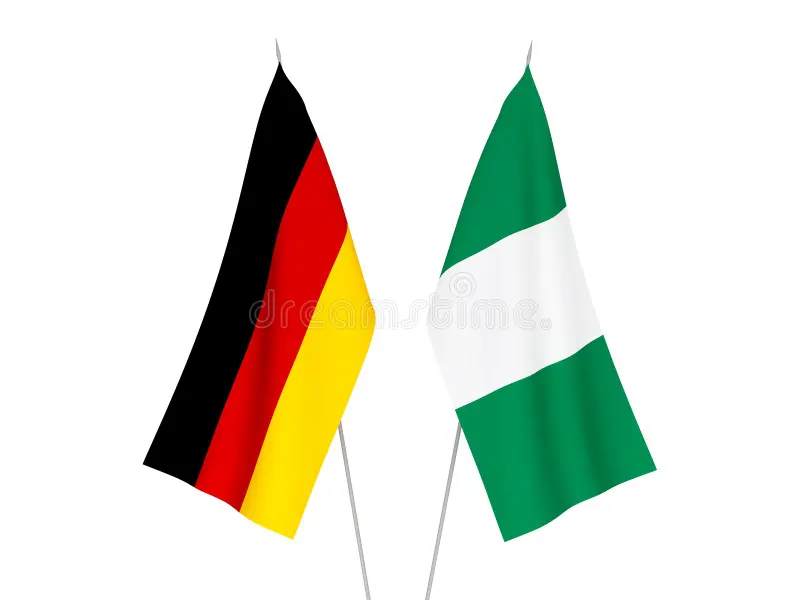
Nigeria has emerged as Germany’s second-largest trading partner in Sub-Saharan Africa, with bilateral trade volume between the two countries hitting €3 billion in 2025.
The German Ambassador to Nigeria, Annett Günther, disclosed this during a recent press briefing at the German Embassy in Abuja, noting that trade between both countries grew by 30 percent this year alone – a clear sign of renewed economic cooperation and investor confidence.
“Nigeria is Germany’s second biggest trading partner in Sub-Saharan Africa with a total trade volume of €3 billion,” Günther said. “Trade volumes have increased this year by 30 percent due to Nigeria’s economic recovery.”
According to her, the growth reflects a deepening partnership across strategic sectors -particularly energy, infrastructure, and pharmaceuticals – where German firms are expanding their footprint.
“There are more than 90 German companies active in Nigeria, indirectly creating about 17,000 jobs,” the envoy revealed. “More investment is coming, especially in the energy and pharmaceutical sectors.”
Flagship Projects Strengthening Ties
Günther pointed to two landmark initiatives that demonstrate the strength of German-Nigerian collaboration.
The first, the Presidential Power Initiative (PPI) – a partnership between the federal government of Nigeria and Siemens AG – has now entered its second phase, expected to add about 7 gigawatts of electricity to Nigeria’s national grid.
“This is a defining project for both countries,” she said. “It will not only boost Nigeria’s power supply but also enhance industrial productivity and economic competitiveness.”
The second focus area is gas and energy transition, where Germany and Nigeria are working jointly to eliminate gas flaring and reduce carbon emissions.
“Our cooperation in the gas sector aims to eliminate gas flaring and improve Nigeria’s CO₂ footprint,” Günther added.
Economic Recovery and Shared Growth
The Ambassador also noted that Germany’s own economy, after two years of slowdown, is regaining momentum.
“Large investments in digitisation, infrastructure, education, and renewable energy will give a boost to our economy – and by extension, to Europe and our partners like Nigeria,” she explained.
She expressed optimism that both nations stand to benefit from policy alignment and mutual investment, especially in renewable energy, digital infrastructure, and sustainable manufacturing.
Günther further revealed that the Nigerian-German Binational Commission will convene in Berlin in less than two weeks. The meeting, co-chaired by both countries’ foreign ministers, will focus on a wide range of issues – including trade, energy, migration, education, international politics, and security.
She described the upcoming dialogue as “a major opportunity to renew shared commitments, expand cooperation, and translate economic success into sustainable development.”