REFORM TALKS with Enam Obiosio
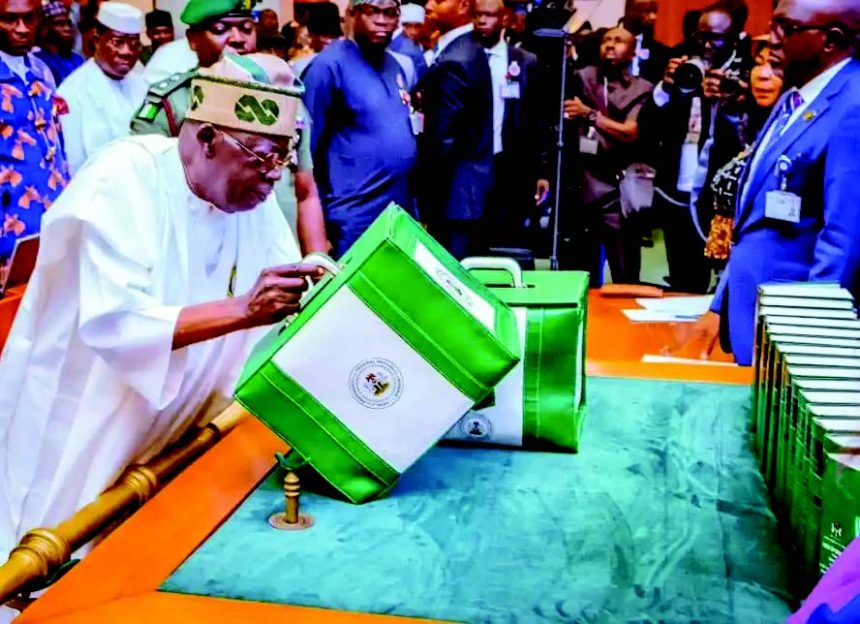
I believe Nigeria cannot afford to sleepwalk into another fiscal crisis. The International Monetary Fund (IMF)’s latest Article IV Consultation has thrown the government a lifeline disguised as a warning: rethink the 2025 budget now, or risk worsening inflation, fiscal slippage, and deepening poverty.
The IMF’s diagnosis was sharp and sobering: Nigeria’s 2025 budget is premised on faulty assumptions – particularly oil production targets and global oil price projections that no longer reflect reality. A budget built on $75 per barrel and 2 million barrels per day looks more like a wish list than a financial plan, especially now that prices hover below $70 and production struggles at 1.5 million barrels daily.
In truth, we Nigerians are not surprised. Nigeria has for too long based its fiscal lifeline on unstable oil earnings, while under-investing in the economic engines that could actually rescue our economy: agriculture, manufacturing, technology, and power. The IMF has reminded us of the cost of this overdependence, pointing to a potential 4.7% fiscal deficit by next year – far above expectations.
But even more concerning is what this means for the Nigerian people.
We are in the throes of worsening food insecurity and stubbornly high inflation, with real wages declining and unemployment – especially among the youth – soaring. Yet, as the IMF rightly noted, Nigeria has been slow in scaling up social safety nets like direct cash transfers. The data gaps, the financial inclusion deficit, the bureaucratic foot-dragging—these are all man-made roadblocks we must urgently dismantle.
I commend the bold reforms undertaken so far by the President Tinubu administration: the removal of fuel subsidies, floating the naira, ending monetary financing of deficits, and tightening the Central Bank’s monetary policy. These have no doubt helped stabilise macroeconomic fundamentals and rebuild some investor confidence.
But stabilisation is not transformation. What we need now is a budget that reflects real priorities: protecting the poor, investing in productivity, and insulating the economy from global oil shocks. And this will require more than just trimming fat—we must reallocate spending, deepen revenue mobilisation, and fund projects that deliver real value.
The IMF’s call for a “neutral fiscal stance” is not a suggestion – it is a safeguard. Keeping the deficit at 2024 levels while redirecting funds to where they matter most – education, health, infrastructure, food systems – is the only way forward. And while the Central Bank must remain tight on interest rates to tame inflation, the fiscal side of government cannot afford to remain loose or idealistic.
Some Nigerians applaud Mr. Wale Edun, Honourable Minister of Finance and Coordinating Minister of the Economy, for acknowledging the need to reassess spending and revenue strategies. His affirmation that the government is “monitoring international developments” is a good start – but monitoring is not enough. I expect swift, transparent, and credible actions to reflect the new economic reality.
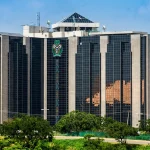
I see that the Senate Committee on Banking and Finance is also right to commend the Central Bank of Nigeria’s reforms, particularly around exchange rate stability and FX market transparency. But again, the bigger picture matters: Nigerians need more than macroeconomic stability – they need jobs, affordable food, stable electricity, and access to credit. These cannot be delivered by monetary policy alone.
The Central Bank Governor’s vision of a $1 trillion economy by 2030 is a compelling rallying point – but it will remain a fantasy unless budget frameworks are rooted in truth, not hope.
I urge the federal government to immediately rework the 2025 budget—revise oil assumptions, scale up pro-poor spending, and insulate fiscal policy from further shocks. Let this not be a case of waiting until the house burns before reaching for the hose.
Nigeria has made some progress. Now is not the time to lose momentum. Now is the time to act boldly, act fast, and act right.