
By Jennete Ugo Anya
A new chapter is unfolding for Nigeria’s creative and sports sectors as the Federal Ministry of Art, Culture, Tourism and the Creative Economy (FMACTCE) and the National Sports Commission (NSC) have joined forces to develop a National Arts, Cultural, Creative, Tourism and Sports Innovation Hub at the Moshood Abiola National Stadium, Abuja.
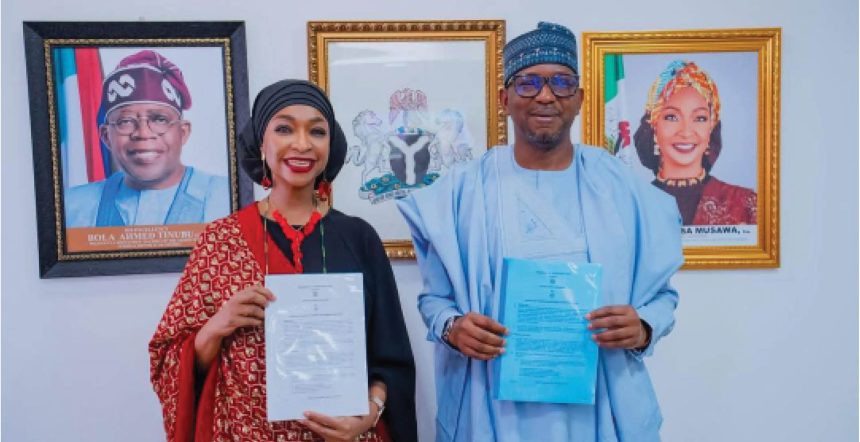
In a statement by Nneka Ikem Anibeze, SA Media & Publicity, FMACTCE, the recent signed landmark agreement, formalised through a Memorandum of Understanding (MoU), is designed to harness the power of culture, creativity, and sports to drive national development, youth empowerment, and global visibility.
A Vision for an Integrated Creative and Sports Ecosystem
The understanding states that the proposed hub will feature a diverse range of world-class facilities, including a National Museum of Arts and Culture, Entertainment Arena, Youth Creative and Entrepreneurship Centre, Eco-Villas and Lodges, Family Recreational Park, Cultural Lounges and Marketplaces, Mounted Games Arena, and a Sports Heritage Pavilion.
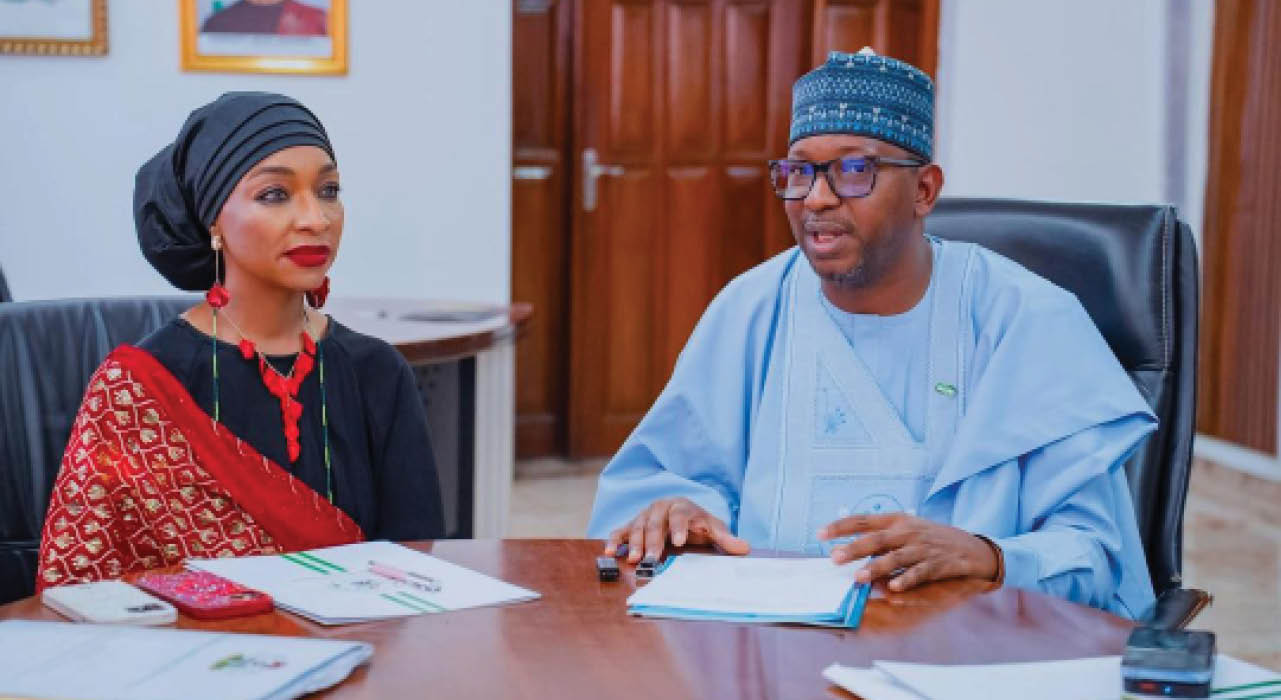
Speaking at the signing ceremony, Honourable Minister of Art, Culture, Tourism and Creative Economy, Mrs Hannatu Musa Musawa, welcomed the partnership as a turning point for Nigeria’s creative and sports industries.
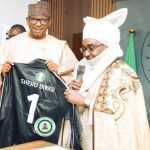
“Since Mallam Shehu Dikko came on board, we have had back-to-back wins in sports. This partnership has the power to empower the young generation, teach them about our culture, and provide capacity building,” Mrs. Musawa said. “If this can be replicated in every state, it will speak to a new dawn, especially in Abuja, and will have a positive impact on the economy, job creation, and insecurity.”
She also commended President Bola Ahmed Tinubu’s vision, noting that the initiative aligns with his commitment to creating a better future for young Nigerians through diversification into sports and the creative economy.
Sports Economy to Anchor the Renewed Hope Agenda
The Chairman of the NSC, Mallam Shehu Dikko, emphasised that the project forms part of the administration’s Renewed Hope Agenda on sports economy.
“We need to invest and revamp our sports facilities to have around 4,000 activities around the clock,” Dikko said. “This project will showcase our history, sports, and culture, and we are committed to its success. We will turn the stadium into a sports city, leveraging existing structures to build value for creatives.”
A Public-Private Partnership with Global Ambitions
According to the ministry, the project will operate under a Public-Private Partnership (PPP) framework, with both the FMACTCE and NSC providing institutional support for government approvals and policy alignment. It will also encourage inter-agency collaboration, public-private dialogue, and multilateral stakeholder engagement.
Once completed, the hub is expected to drive economic growth, create jobs, strengthen tourism, and showcase Nigeria’s rich cultural heritage to the world.
“This collaboration is not just about building infrastructure; it is about building an ecosystem that unites arts, culture, sports, and innovation for the benefit of all Nigerians,” Mrs. Musawa concluded.