By Felix Omoh-Asun
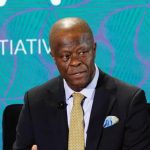
The Managing Director/CEO of the Nigeria Sovereign Investment Authority (NSIA), Aminu Umar-Sadiq, has disclosed that the Presidential Fertilizer Initiative (PFI) has grown the ferlizer sector in leaps and bonds in the past nine years.
He informed that over the years, the intervention of the NSIA through the PFI with the directive of the federal government has significantly improved fertiliser accessibility and affordability, enhanced food security, and created over 100,000 direct and indirect jobs across the country.
The PFI, which is directly under NSIA, according to MD, was able to through prudent management reactivated not no fewer than 90 fertilizer blending plants hitherto written off as dead. He said the blending plants are scattered all over the country.
READ ALSOl
- IMF Raises Nigeria’s 2025 Growth Outlook To 3.4%, Citing Improved Global Conditions
- NDIC MANAGEMENT VISITS CBN GOVERNOR: RE-AFFIRMS COMMITMENT TO FINANCIAL SYSTEM STABILITY
- A Compendium Of Reforms, Successes And Achievements Of President Tinubu
The Federal Government had established the PFI, a fertilizer intervention project, to, among other things, stimulate local production of fertilizer by reviving the local blending fertilizer industry; make fertilizer available to Nigerian farmers at affordable prices; enhance food security as a result of the expected increase in food production; reduce food-induced inflation and stimulate economic activities across the agriculture value chain.
In a success story, Umar-Sadiq said NSIA has been up and doing in the past nine years, putting its acumen together in a real feat to achieve the success of today.
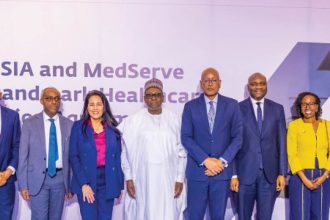
The MD, while speaking at the annual PFI Stakeholders Roundtable in Abuja recently, emphasised that from mere four blending plants in 2016, they astronomically rose to over 90 by July 2025.
The theme of the roundtable was: ‘‘PFI: A journey of Reform, Partnership and Transition.’’
Umar-Sadiq said this uncommon success has resulted in the delivery of more than 128 million bags of blended high-quality fertiliser to Nigerian farmers.
The achievement of the NSIA, he said, is gladdening, as the project has evolved into one of Nigeria’s most impactful agricultural interventions to address structural inefficiencies in the fertilizer supply chain and reduce dependency on imports.
Through strategic direction of the PFI programme, he noted, the NSIA led the significant transformation of the country’s previously moribund fertilizer blending landscape.
“Despite global supply chain disruptions caused by the COVID-19 pandemic, the Russia-Ukraine conflict, persistent foreign exchange volatility, macroeconomic pressures like the devaluation of the Naira, PFI remained resilient as NSIA, working closely with relevant stakeholders, ensured uninterrupted supply of fertiliser to farmers at stable prices,” he said.
In recent years, he said the initiative underwent a strategic restructuring, focused on its positioning for enhanced financial and operational sustainability.
He disclosed that the next phase would see the introduction of wet blend technology, geographic expansion to underserved regions, and a stronger focus on private sector participation, setting the stage for additional positive impact.
Describing the Stakeholders Roundtable as a significant exercise, the NSIA Chief said it provided an opportunity to honour nearly a decade of positive impact, strategic partnership, growth and reform in the agriculture sector of the economy.
He said the PFI presents a model of what collaboration between public institutions, and the private sector could achieve, adding that the NSIA remains committed to strategic partnerships that would enhance positive socio-economic outcomes for Nigerians.
“By strategically leading the PFI programme for almost a decade, NSIA re-validates its commitment to advance food security, empower stakeholders within the value chain and ultimately propel sustainable economic growth and development in Nigeria,” he stated.
He explained that PFI programme has been now transformed to the Ministry of Finance Incorporated (MOFI).
The exit of NSIA from the joint-management arrangement is scheduled to take effect from November 2025 and expected to allow ManCo to serve as the sole manager.
The Chief Executive Officer of Ministry of Finance Incorporated (MOFI), Dr. Amstrong Takang, in his remarks, said with the exit of the NSIA as the joint management partner of the PFI, the agency was committed to the continued success of the programme through sustained strategic support to the PFI-NPK Limited under the full control of MOFI Management Company Limited (ManCo).
Takang said the roundtable was convened for PFI-NPK stakeholders to reflect on the journey so far, assess the impact of the reforms, evaluate the evolving partnership with stakeholders and envision the future of the PFI through the post-NSIA strategic transition plan.
He described the roundtable as a defining moment that afforded the PFI-NPK investors, managers, and stakeholders a unique opportunity to chart a course forward for an initiative that has truly been a transformative and impactful model of success.
“Over the years, the PFI-NPK programme has played a role in transforming Nigeria’s fertilizer ecosystem, from expanding domestic blending capacity to enhancing farmers’ access to quality fertilizers and advancing national food security objectives,” he said.