By Ahmed Ahmed
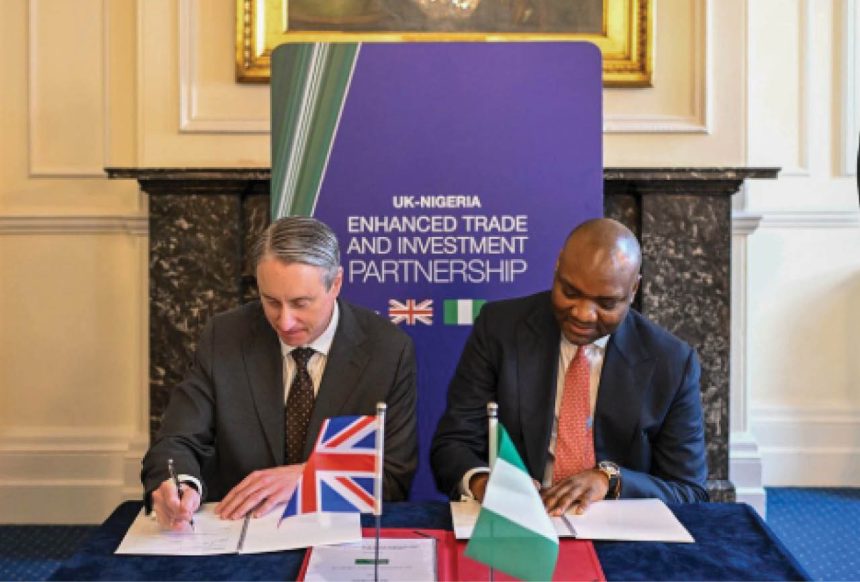
The Nigeria Sovereign Investment Authority (NSIA) has signed a Memorandum of Understanding (MoU) with UK-based Asset Green Ltd to develop a large-scale integrated dairy livestock production and processing platform, in a move set to modernize Nigeria’s dairy industry and enhance national food security.
The MoU, signed recently in London ahead of President Bola Tinubu’s State Visit to the United Kingdom, outlines the framework for collaboration, project-development cost commitments, and the path toward a formal shareholders’ agreement. The initiative is regarded as one of the most ambitious integrated dairy investments ever undertaken in Nigeria.
Once operational, the platform is expected to generate over $620 million in annual revenue while creating 2,500 direct and 5,000 indirect jobs nationwide. The project combines 20,000 hectares of climate-smart, regenerative crop and forage production with a modern 10,000-cow dairy operation. A state-of-the-art processing plant will produce fresh milk, milk powders, butter, cream, and up to 15,000 metric tonnes of infant formula annually.
Designed to reduce Nigeria’s reliance on imported milk powder, the initiative will also integrate up to 10,000 rural households into the supply chain through inclusive out-grower schemes. The approach combines modern agricultural practices with local participation, aiming to enhance nutrition, promote employment, and strengthen the country’s food sovereignty.
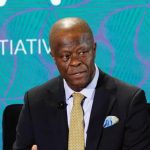
Speaking on the significance of the partnership, British Deputy High Commissioner Jonny Baxter recalled the UK’s early support in establishing NSIA over a decade ago, highlighting its legal and financial guidance in building the institution’s governance framework and credibility. “The NSIA and Asset Green partnership is a powerful example of how that groundwork continues to deliver impact – a full-circle moment reflecting the long-term economic cooperation between the UK and Nigeria and the shared commitment to deepening sustainable, private-sector-driven growth,” Baxter said.
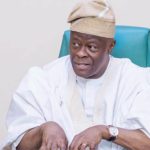
NSIA’s Managing Director and CEO, Mr. Aminu Umar-Sadiq, said the project lays the foundation for a modern, competitive dairy sector that reduces import dependence, creates jobs, and generates long-term value for Nigerians. “With a project size of almost $500 million, this is one of the most ambitious initiatives aimed at strengthening Nigeria’s food and nutrition security in a generation,” Umar-Sadiq stated. “By combining climate-smart farming, advanced processing capacity, and inclusive out-grower participation, we are positioning Nigeria to meet domestic demand sustainably while building a globally competitive dairy sector.”
Echoing this perspective, Rod Bassett, Director of Asset Green Ltd and CEO of Agrium Capital Ltd, said the partnership represents the innovation required to unlock Nigeria’s agricultural potential. “We are incredibly proud to partner with Nigeria’s premier investment institution. This $500 million greenfield investment in the dairy sector will develop advanced infrastructure spanning the full production and supply system, reduce reliance on imported dairy products, deliver environmental benefits, and strengthen national food sovereignty and nutritional resilience,” Bassett said.
The integrated approach of the project is designed to modernize the entire value chain, from crop production for feed to high-quality dairy processing and distribution. By introducing climate-smart and regenerative agricultural methods, the platform aims to enhance productivity, ensure sustainable practices, and promote long-term resilience against environmental and market shocks.
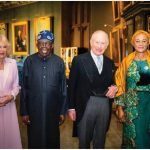
The MoU was signed on the sidelines of President Tinubu’s two-day state visit to the UK, which has focused on strengthening bilateral relations, trade, investment, and cultural ties. During the visit, Tinubu and his wife were received by King Charles III and Queen Camilla, and the President also held a bilateral meeting with UK Prime Minister Keir Starmer. These engagements are expected to open further avenues for cooperation between Nigeria and the United Kingdom in areas including investment, technology transfer, and infrastructure development.
The NSIA-Asset Green collaboration highlights Nigeria’s commitment to attracting strategic private sector investment into critical sectors of the economy. Analysts say the dairy platform could significantly reduce the country’s dependence on imported milk powder, which currently represents a substantial cost to the economy, while simultaneously fostering local enterprise, employment, and rural development.
By leveraging advanced technology, modern infrastructure, and inclusive stakeholder engagement, the project exemplifies a model of sustainable agricultural development. It also aligns with Nigeria’s broader economic objectives of food security, import substitution, and job creation.
“The integration of 10,000 rural households into out-grower schemes ensures that the project has a direct positive impact on livelihoods and community development,” Umar-Sadiq said. “It is not just about producing milk; it is about building an ecosystem that supports long-term economic and social transformation.”
Once fully operational, the integrated dairy platform is expected to become a benchmark for large-scale agricultural investments in Nigeria, demonstrating the potential of public-private partnerships to address critical gaps in the food system while generating commercial returns.
With both NSIA and Asset Green bringing expertise in investment management, infrastructure development, and sustainable agriculture, the project represents a strategic alignment of financial capacity, technical knowledge, and long-term vision. It is widely expected to catalyze further investment in Nigeria’s agricultural sector and inspire similar greenfield projects in other areas of food production.
In summary, the MoU marks a key milestone in Nigeria’s efforts to transform its dairy industry, enhance national food security, and create inclusive economic opportunities. By combining modern technology, sustainable farming practices, and strong international collaboration, the project positions Nigeria to meet domestic demand, reduce import reliance, and strengthen the livelihoods of thousands of Nigerians nationwide.