For decades, the question of how Nigeria’s police officers live after years of service has lingered on the national conscience. Tales of retirees struggling to make ends meet under the old Defined Benefits Scheme (DBS) created a push for the Contributory Pension Scheme (CPS) in 2004. Yet, nearly two decades later, concerns still persist-prompting the National Pension Commission (PenCom) to chart a new course for the men and women who risk their lives daily to protect the country.
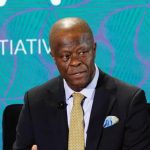
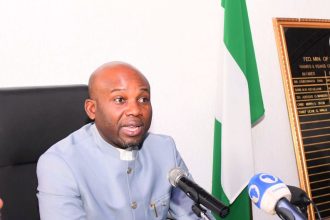
Recently, Ms. Omolola Oloworaran, the Director-General of PenCom, led a delegation of senior officials to Force Headquarters in Abuja for a high-level meeting with the Inspector-General of Police (IGP), Kayode Egbetokun, senior police officers, and the management of NPF Pensions Limited. The discussions centered on how to reform the retirement framework for officers under the CPS.
“Our police officers serve with courage and sacrifice, and they deserve to retire with dignity,” Oloworaran said, outlining proposals designed to make the scheme more responsive. “The Contributory Pension Scheme was designed to correct the flaws of the old system, which left too many retirees in hardship. We are committed to finding solutions that work within the CPS framework to ensure our officers have a secure future.”
Among the measures under consideration are: a dedicated health insurance scheme for retired officers, raising pensions to 75% of final salary, expanding the Retirement Resettlement Fund, and overhauling the police pension structure to address the peculiar demands of security service. Equally critical is PenCom’s proposal for the federal government to raise its pension contribution for police personnel from 10% to 20%-a reform that could immediately change the welfare landscape.
We believe these reforms are long overdue. The sacrifices of our police cannot continue to be repaid with neglect at retirement. Officers who have spent years on the frontlines of crime, terrorism, and civil unrest deserve better than lives of uncertainty once they hang their uniforms. For a nation already battling low morale within the Force, ignoring pension welfare is not just unjust-it is a threat to national security.
We must also recognize the strategic wisdom in PenCom’s insistence on keeping the police within the CPS rather than carving out yet another unsustainable special scheme. The failure of the old DBS is still fresh in national memory; returning to it in any form risks repeating history. Reform from within the CPS framework offers sustainability, accountability, and transparency that ad hoc alternatives cannot guarantee.
At the same time, PenCom must guard against bureaucratic bottlenecks that often cripple implementation. Announcing reforms is one thing; ensuring that every officer, from the constable in a rural outpost to the commander in Abuja, actually feels the impact is another. This is where accountability and regular progress reporting become indispensable. Nigerians will judge these reforms not by communiqués, but by testimonies of officers who receive their pensions and gratuities promptly.
It is equally important that the federal government does not view these proposals as PenCom’s burden alone. Budgetary support, legislative backing, and political will must align if police pensions are to be transformed. Anything less risks reducing the reforms to another paper promise, while the rank-and-file continue to suffer. Parliament, in particular, must be proactive in enacting supportive laws and ensuring that pension reforms do not fall victim to shifting political priorities.
Finally, we must broaden the debate. What PenCom is proposing for the police should set the tone for wider reforms in the Nigerian workforce. If the nation can guarantee gratuity, improved pensions, and healthcare for police officers, why not for teachers, doctors, and other essential workers who also sacrifice daily? A nation is only as strong as the dignity it affords its workforce in and out of service.