
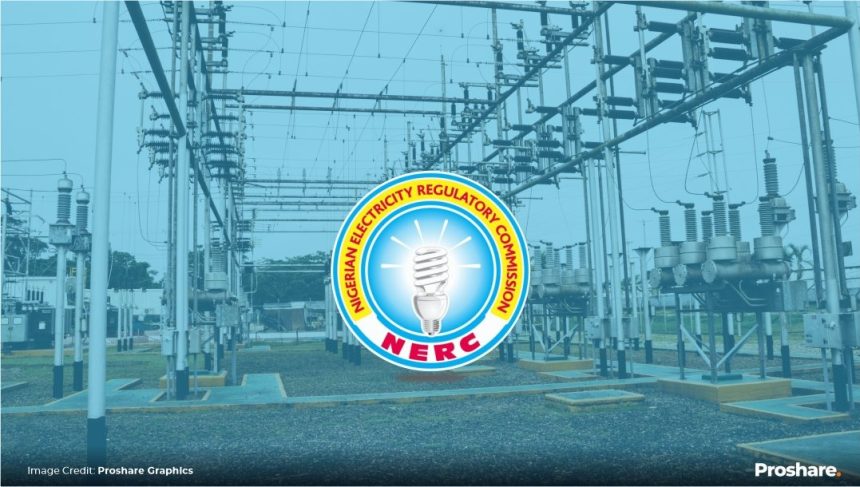
The Nigerian government’s decision to shoulder a N1.95 trillion electricity subsidy shortfall in 2024 is both alarming and unsustainable. This massive figure — disclosed in the 2024 Annual Report of the Nigerian Electricity Regulatory Commission (NERC) — underscores a broken cycle of tariff distortion, fiscal strain, and policy indecision that continues to cripple the country’s power sector.
This is not just another line item in the budget. This is N1.95 trillion that could have gone into building power infrastructure, expanding access in underserved communities, or funding health and education. Instead, it is being used to paper over a long-standing refusal to embrace full cost-reflective tariffs or enforce real accountability among electricity market players.
The NERC report makes it clear: the federal government continues to absorb the difference between the cost of generating and distributing electricity and what consumers are charged. This is what it calls the “tariff shortfall,” a euphemism for a subsidy that has become a bottomless pit.
The irony is that while the government bleeds to keep electricity “affordable,” Distribution Companies (DisCos) posted a 40% year-on-year revenue surge in April 2025. That same month, total collections reached a record-breaking N199.85 billion. But the increase did not result from better service or expanded access. It came from tariff hikes for Band A customers — those who now pay N209 per kilowatt-hour, up from N66/kWh just a year earlier. Meanwhile, millions of Nigerians still endure unreliable supply, opaque billing, and rising energy poverty.
Let us be clear: subsidy is not a bad word in itself. It becomes problematic when it is poorly targeted, fiscally reckless, and structurally regressive. Nigeria’s power subsidy regime fits all three categories.
Despite higher revenues, the power sector remains plagued by Aggregate Technical, Commercial, and Collection (ATC&C) losses, which averaged 39.6% in Q1 2025 — nearly double the Multi-Year Tariff Order (MYTO) benchmark of 20.5%. MYTO is a tariff framework designed by the Nigerian Electricity Regulatory Commission (NERC) to guide the pricing of electricity in Nigeria’s power sector over several years. This means that nearly N200 billion worth of electricity is lost due to theft, inefficiencies, and unpaid bills every quarter. This is not just unsustainable; it is a betrayal of reform promises made to investors, citizens, and the future.
We believe that the time has come to end the illusion of cheap electricity and embrace a bold, data-driven, and socially just transition to market-aligned tariffs. But that transition must be accompanied by credible service delivery, mass deployment of prepaid meters, state-level generation incentives under the Electricity Act, and targeted lifeline support for the most vulnerable.
Nigeria does not need a power system where a few pay full cost while most enjoy subsidized inefficiency. What it needs is a system that works — for all. Subsidies should go where they are most needed, not to prop up a failed architecture or mask the incompetence of underperforming utilities.
The reform agenda must be driven by transparency, equity, and accountability. Otherwise, we will continue lighting up a sector with borrowed money while the nation remains in darkness.