As Nigeria Posts Fastest GDP Growth in Decade
When President Bola Ahmed Tinubu assumed office in May 2023, he did not inherit a perfect country. He walked into a Nigeria battling chronic fiscal instability, growing poverty, widespread insecurity, and a deeply polarized political environment.
Enam Obiosio here highlights the bold and sweeping reforms of this administration in less than two years, offering a balanced perspective on the tough but necessary decisions reshaping Nigeria’s economy, governance, and social systems.
When President Bola Ahmed Tinubu took office in May 2023, he inherited a nation reeling from fiscal instability, poverty, insecurity, and political division. Less than two years into his administration, Nigeria’s reform landscape is undergoing a bold transformation—earning both domestic and international recognition.
The World Bank recently reported that Nigeria recorded its fastest GDP growth in a decade. Real GDP rose by 4.6% year-on-year in Q4 2024, pushing full-year growth to 3.4%, the highest since 2014 (excluding the COVID-19 rebound). This acceleration is attributed to a recovering oil and gas sector and robust growth in tech and finance. Despite weak agricultural output—growing just 1.2% due to insecurity and input costs—the Bank projects a 3.7% expansion in 2025. Inflation remains high but is expected to ease to 22.1% in 2025.
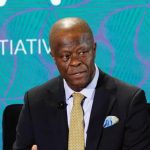
Mr. Taimur Samad, acting World Bank Country Director, said that Nigeria has made “impressive strides to restore macroeconomic stability.”

A Reform Mandate
Upon assuming office, President Tinubu signaled a break from business as usual. His reformist approach is reshaping Nigeria’s economy, governance, and social systems—sometimes painfully, but with an eye on sustainability.
One of his boldest early moves was eliminating the decades-old fuel subsidy, freeing over $10 billion annually for reinvestment into healthcare, infrastructure, and education. Though inflationary, the move ended years of fiscal hemorrhage.
Similarly, President Tinubu’s liberalization of the forex market unified exchange rates and cleared a $7 billion backlog—restoring investor confidence and producing a $6.83 billion balance of payments surplus in 2024.
Electricity subsidies were also slashed by 35%, saving over N700 billion and reducing the power sector’s deficit from N3 trillion to N1.9 trillion—marking a step toward cost-reflective tariffs and improved service delivery.
Restoring Fiscal Health
The President Tinubu-led administration has brought Nigeria’s crippling debt service-to-revenue ratio down from 97% in 2023 to 68% in 2024. The Crude-for-Naira policy enabled local refineries to buy crude in Naira, easing pressure on foreign reserves and supporting currency stability.
A 130% hike in the national minimum wage—from N30, 000 to N70, 000—helped cushion workers against the fallout of subsidy removal. In education, the Student Loans (Access to Higher Education) Act, 2024, ensures all Nigerian youths can pursue tertiary education regardless of background.
Targeted social interventions have also been rolled out: N25, 000 monthly cash transfers to 15 million households, N50 billion in nano-business grants, and N75 billion to support manufacturers.
Infrastructure and Agriculture
This administration is also prioritizing connectivity and industrialization. Projects like the 700km Lagos-Calabar Coastal Highway and the Renewed Hope Infrastructure Development Fund (targeting N20 trillion in investments) aim to modernize transport and logistics.
In agriculture, a state of emergency was declared alongside a N100 billion National Agricultural Development Fund to boost food security amid global price shocks and climate challenges.
To cut transport costs, over 100,000 vehicles have been converted to Compressed Natural Gas (CNG), with a three-year goal of one million.
Institutional Reforms
In a sweeping reform move, Tinubu dissolved all federal parastatal boards (except those protected by the constitution), signaling a commitment to efficiency and renewal in public service.
Judicial reform saw a 300% salary increase for judges—aimed at boosting judicial independence and curbing corruption.
The launch of digital tools like the Citizens’ Delivery Tracker App and MOBILIZER further illustrates a drive for accountability and citizen engagement.
Health, Security, and Youth Empowerment
The government disbursed N45.9 billion to upgrade 8,800 primary healthcare centers and expand immunization in underserved areas. The Safe Schools Initiative is being revived to protect children from school-related violence.
Youth-focused programs such as the Three Million Technical Talent Program, iDICE, and the National Talent Programme are preparing the next generation with digital skills for a tech-driven future.
A Symbolic Reset
In 2024, the national anthem ‘Nigeria, We Hail Thee’ was reinstated—a move that sparked national debate and underscored a symbolic return to foundational values.
These reforms have not been painless—high inflation persists and citizens feel the pinch—but they mark a departure from patchwork governance toward structural change. President Tinubu is taking on dysfunction at its core, not papering over it.
For weary Nigerians, this moment could signal real transformation. For investors, development partners, and the diaspora, now is the time to acknowledge and support Nigeria’s bold reset.
If these reforms succeed, Nigeria would not just be improved—it will be reborn. And that deserves applause.