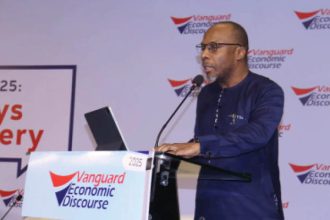


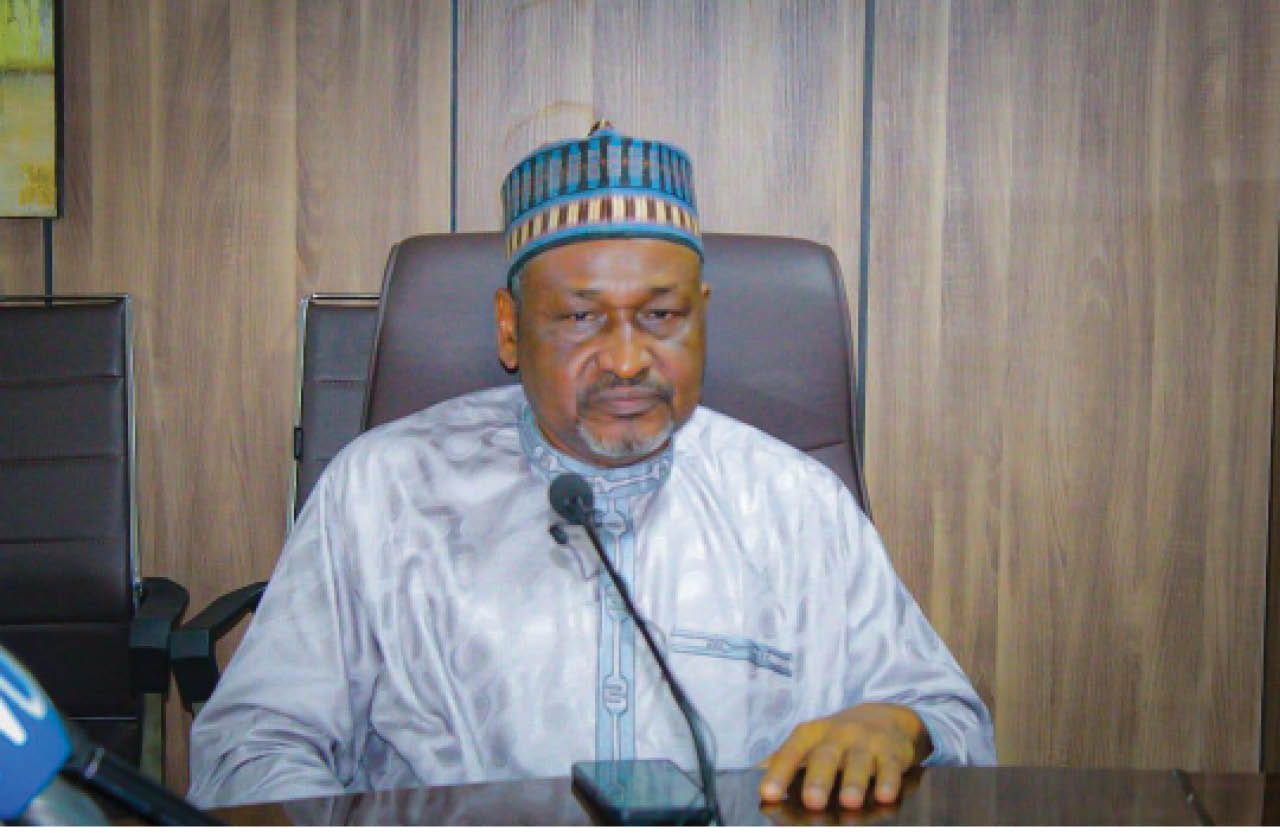
In Nigeria’s industrial heartland, where the hum of machines signals a new dawn for a nation grappling with 33% youth unemployment, a skills-first revolution is reshaping the future, with Prof. Idris M. Bugaje, Executive Secretary of the National Board for Technical Education (NBTE), at the forefront of turbocharging Technical and Vocational Education and Training (TVET). Fatimah Haliru, Chairman of the Creative Media Sector Skills Council (CMSSC), is spearheading a shared vision to elevate the standards of technical and vocational education and training in the country’s creative media sector, aligned with President Bola Ahmed Tinubu’s Renewed Hope Agenda, to turn a demographic bulge into an economic boon. Enam Obiosio writes.
Nigeria is waging a bold war led by the National Board for Technical Education (NBTE), on its longstanding obsession with academic degrees, prioritizing practical skills to combat a staggering 33% youth unemployment rate. As President Bola Ahmed Tinubu’s Renewed Hope Agenda takes root, 136 new TVET centers have been approved to plug critical skills gaps.
At the helm of this transformation is Prof. Idris M. Bugaje, Executive Secretary of NBTE, a veteran educator whose career spans leadership roles at Kaduna and Nasarawa Polytechnics and the National Research Institute for Chemical Technology. Since assuming his position, Bugaje has infused the board with a sense of urgency, championing the mantra “Skills, Not Degrees.” “Our youth are not lacking in potential; they’re lacking in opportunity,” Bugaje would say in an exclusive interview at NBTE’s headquarters in Abuja. “TVET isn’t about second-class education – it’s about first-class empowerment.”
Just recently, there was a bold leap toward redefining Nigeria’s creative economy; the NBTE, the Nigerian Television Authority (NTA), and the Creative Media Sector Skills Council (CMSSC) launched a transformative initiative to establish Skills Training Centers (STCs) across 36 NTA stations nationwide. Spearheaded by Fatimah Haliru, the Chairman of CMSSC, and guided by the visionary leadership of Prof. Bugaje, this tripartite partnership aims to equip Nigeria’s youth with industry-relevant skills in media production, addressing a critical skills gap in a nation where 33% youth unemployment fuels economic and social challenges. Unveiled at the Joint Steering Committee (JSC) inauguration in Abuja, this initiative aligns with President Bola Ahmed Tinubu’s Renewed Hope Agenda and leverages the National Skills Qualification Framework (NSQF) to standardize training, ensuring professionals in the country meet global standards.
A Historic Partnership for a Dynamic Industry
The establishment of STCs marks a landmark tripartite agreement, with independent training providers formalized at the inauguration of JSC. Haliru described the moment as “a new era for Nigeria’s media landscape.” NTA, the nation’s premier public broadcaster, brings its unparalleled network of 36 stations, providing the infrastructure for accessible, localized training. CMSSC ensures the curriculum reflects the industry’s evolving needs, from digital storytelling to AI-driven production, while independent providers deliver specialized, hands-on training. NBTE’s regulatory oversight guarantees alignment with the NSQF, ensuring certifications are nationally and internationally recognized. This collaboration addresses a critical gap: the creative media sector’s rapid evolution demands skilled professionals who can navigate new platforms and technologies, yet training has often lagged behind.
Addressing Nigeria’s Youth Crisis
Nigeria’s demographic reality – a youth bulge with over 60% of the population under 25 – presents both opportunity and challenge. With unemployment hovering at 33%, the mismatch between academic degrees and market needs has left millions sidelined. The STCs aim to bridge this gap by offering practical training in high-demand areas like video production, sound engineering, and digital media. “This is about empowerment,” Haliru emphasized in her JSC speech. “We’re giving young Nigerians the tools to not just survive but lead in a global industry.” By leveraging NTA’s nationwide reach, the STCs will curb rural-urban migration, fostering local economies from Rivers to Sokoto. The initiative also aligns with NBTE’s broader TVET reforms, which have seen 950 programs accredited and 136 new institutions approved.
Framework for Excellence: The NSQF and Beyond
Equity is a cornerstone of this revolution. NBTE ensures that training reaches even the most remote areas, reducing rural-urban migration and empowering local economies. Recent developments underscore the board’s momentum. In September 2025, Mr. Mohammed Idris, the Honourable Minister of Information, called on NBTE to expand collaborations in creative media, lauding its skills advancement during a high-level meeting in Abuja. “NBTE’s work is pivotal to our national narrative,” he said.
The goal of CMSSC, according to Haliru, speaking at the meeting of the council with the Honourable Minister, “is to work with the agencies under your esteemed Ministry to fully embrace and operationalize the National Skills Qualification Framework (NSQF).
“For years, our industry has been blessed with an abundance of talent, with professionals who have honed their skills on the job, through decades of hands-on experience. Their expertise is our industry’s backbone, but too often, this vast knowledge and skill set goes uncertified and unrecognised. This is where our partnership with NBTE and your agencies becomes so vital. While talent is vital, a structured and standardized approach to skills development is what will truly elevate our industry. The NSQF provides this framework. It is the gold standard for recognizing and certifying the skills and competencies of our professionals, ensuring that their abilities are not just acknowledged but are formally and universally recognized. This initiative is not about reinventing the wheel; it is about providing a clear pathway for our professionals to grow,” Haliru said.
As it were now, the NSQF is the backbone of the STCs. It ensures that training programs meet rigorous standards, offering certifications that enhance employability and entrepreneurship. “The NSQF isn’t just a guideline; it’s a promise of credibility,” said Prof. Diya’uddeen Basheer Hasan, representing NBTE at the JSC event. The framework bridges vocational certificates to higher diplomas, creating pathways for lifelong learning. Curriculum development, quality assurance, and stakeholder engagement are the JSC’s core mandates, ensuring that training is practical and industry-relevant.
Challenges and the Road Ahead
While the initiative has sparked optimism, challenges loom. Funding constraints and infrastructure gaps, particularly in rural NTA stations, could hinder implementation. Yet, Bugaje’s track record -bolstered by staff welfare packages and global partnerships like the UNEVOC Network renewal until 2027 – suggests resilience. “We’re architects of transformation,” Haliru told the JSC, urging stakeholders to uphold excellence. The STCs’ success hinges on robust coordination, with the JSC tasked to ensure seamless execution.
New Narrative for Nigeria
From Lagos’s bustling studios to Kano’s emerging media hubs, the STCs are poised to redefine Nigeria’s creative landscape. A young sound engineer in Port Harcourt, trained at an NTA STC, could soon produce content for global platforms, while a digital content creator in Maiduguri might launch a startup. “This is Nigeria’s moment,” Haliru declared. “Our youth will tell our stories with skill and pride.”