By Jennete Ugo Anya
Nigeria’s ambitious economic reform drive has received a strong nod of confidence from the World Bank, with the institution reaffirming its readiness to back the country’s development priorities.
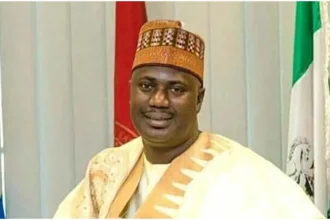
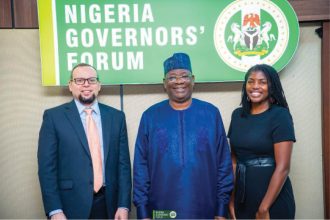
In Abuja, the Honourable Minister of Finance and Coordinating Minister of the Economy, Mr. Wale Edun, hosted Mrs. Zainab Shamsuna Ahmed, the World Bank’s Executive Director representing Angola, Nigeria, and South Africa (ANSA). The meeting, described as a “strategic briefing,” focused on aligning Nigeria’s homegrown reform agenda with the Bank’s multilateral support.
For Nigeria, the timing could not be more critical. Since the removal of petrol subsidies and the unification of exchange rates, the government has embarked on bold but difficult reforms aimed at stabilising the economy and laying the groundwork for growth. Mr. Edun noted that early signs are already visible: improved investor sentiment, increased foreign capital inflows, and fresh commitments in manufacturing.
READ MORE:
- FIRS, Customs Deepen Collaboration To Fast-Track National Single Window Project
- Why FG’s N142bn Bus Terminal Plan Is A Strategic Win For Nigeria
- REA, UNDP Seal Partnership To Accelerate Nigeria’s Clean Energy Transition
“We are targeting GDP growth of up to seven percengt in the medium term—more than double the population growth rate,” Mr. Edun said, according to a statement released by the Ministry’s Director of Information and Public Relations, Mr. Mohammed Manga. “Our focus is on structural reforms in agriculture, power, and digital infrastructure to build a stronger, more competitive economy.”
Mrs. Ahmed, who previously served as Nigeria’s Minister of Finance, Budget and National Planning before her appointment to the World Bank board, commended the country’s reform momentum and leadership role in continental economic discussions. She highlighted Nigeria’s active participation in forums such as the recent Africa Caucus, where the continent’s finance ministers and central bank governors collectively engage the Bretton Woods institutions.
Observers say her words carry weight. The World Bank’s ANSA constituency, which she represents, is a powerful bloc within the Bank’s governance structure, and Nigeria’s ability to anchor its development plan to multilateral financing could prove decisive in meeting its growth targets.
For many Nigerians, however, the stakes are personal. Rising costs of living, sluggish job creation, and infrastructure gaps continue to weigh heavily on households. The challenge for Mr. Edun’s team is to ensure that reforms translate into real economic relief and opportunity.
Mr. Edun acknowledged as much, stressing that international support will be channelled into “impactful projects” with clear benefits—roads, power, digital platforms, and agricultural value chains that can expand productivity, create jobs, and stimulate private sector–led growth.
“The government is determined to convert this reform momentum into a foundation for inclusive and sustainable development,” Mr. Edun said. “The World Bank’s continued partnership is vital to that journey.”
With multilateral support aligned, Nigeria now faces the task of ensuring that its reforms deliver not just macroeconomic stability, but tangible improvements in the lives of its citizens. For the World Bank, the commitment signals recognition that Africa’s largest economy is at a turning point—and that sustained partnership could help tip the balance towards long-term prosperity.