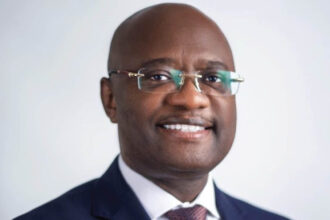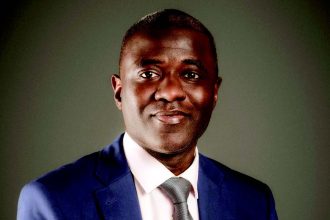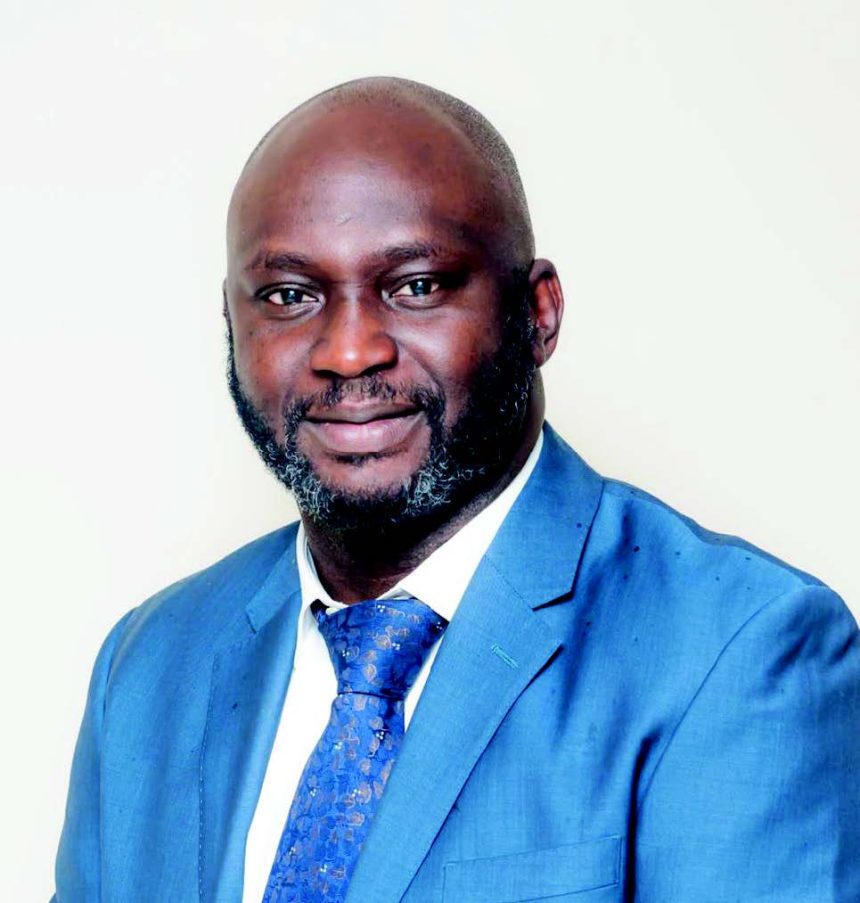
When President Tinubu launched the ‘Renewed Hope agenda’ in May 2023, it marked a bold push to reshape Nigeria’s economy. At the heart of this drive is the Bank of Industry (BOI), ably managed by Dr. Olasupo Olusi – impressively powering change.
In this story, Enam Obiosio unpacks how BOI has become a test case for reform: effective, bold, deliberate, and efficient.
With Dr. Olasupo Olusi, an economist and development finance expert, who has overseen a comprehensive overhaul of the bank’s systems, priorities, and purpose, the lender is no longer a passive financial institution; the BOI is now a national catalyst – the bank that blends finance with vision, data with delivery, and policy with people.
Making Finance Work for the People
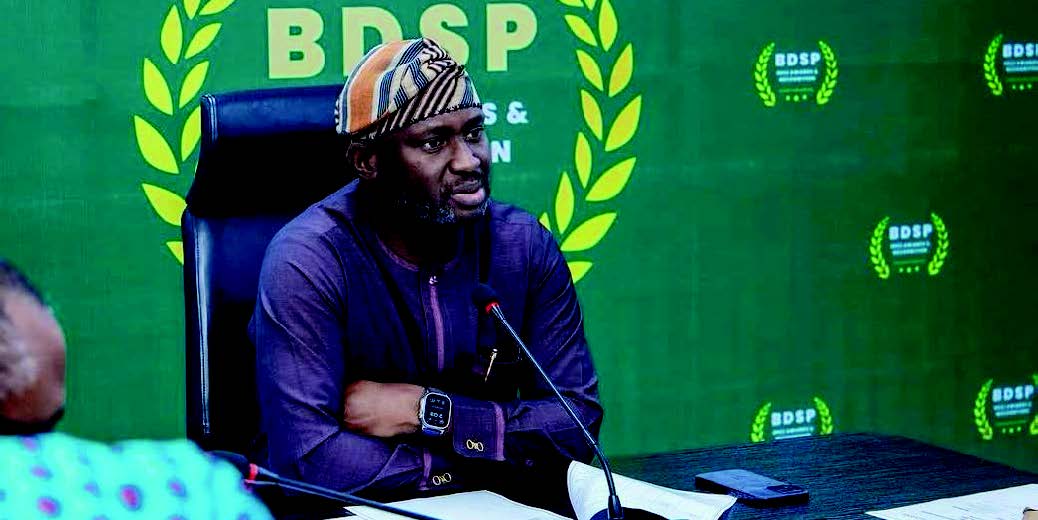
The first major change was internal. The BOI has revamped its risk governance frameworks, tightening loan approval processes to reduce defaults while ensuring that resources go where they are needed most. But beyond numbers, the transformation has been deeply people-centered.
The bank prioritises financing for youth, women, and smallholder entrepreneurs, recognising that inclusive growth starts at the grassroots. Since 2023, more than 2 million micro small and medium- sized enterprises (MSMEs) have gained access to formal credit through BOI-backed initiatives, many for the first time. And the impact? Over 1.5 million jobs created or sustained across industries, ranging from agribusiness to ICT.
From Disbursement to Development
One of the most remarkable shifts under the President Tinubu reform era is BOI’s departure from transactional lending to ecosystem development. Rather than simply issuing loans, the bank is now building the infrastructure for entire value chains.
Through the Strategic Industrial Intervention Framework (SIIF) launched in 2024, funding is now channeled to:
- Agro-processing hubs that reduce post-harvest losses
- Revived textile clusters in Northern Nigeria
- Leather and footwear industries in Aba and Kano
- Refurbished industrial parks across all six geopolitical zones
These are not abstract investments; they are tangible drivers of local jobs, exports, and self-reliance.
MSMEs at the Heart of the Revolution
If industrialisation was once the domain of large corporations, the new vision sees it differently. Under the Renewed Hope Agenda, industrial growth must be inclusive, and that begins with MSMEs.
BOI’s dedicated SME schemes, such as the Fashion and Beauty Accelerator, Graduate Entrepreneurship Fund, and the BOI-FG MSME Fund, provide more than just capital. They offer training, digital onboarding, mentorship, and even access to global value chains.
In the bank, loans are issued at interest rates as low as five percent, with flexible terms designed for scale, not suffocation.
Reform Through Technology
In line with President Tinubu’s digital governance push, the bank has embraced the tech-led reform. It launched a Digital Lending and Analytics Hub that simplifies loan applications, uses AI for risk profiling, and brings transparency to every step of the process. With a new one-stop digital portal, entrepreneurs can now apply for funding without navigating endless bureaucracy.
Unlocking Global Capital
BOI’s transformation has also made it a magnet for international trust. Between 2023 and 2025, it has secured over $1 billion in low-interest credit lines from partners such as the African Development Bank (AfDB), Afreximbank, KfW (Germany), and the French Development Agency (AFD).
Beyond that, it is co-financing state-level projects in Ogun State, Lagos State, Kaduna State, and Edo State, while joining forces with private equity funds to back Nigeria’s creative economy – from Nollywood to gaming, and everything in between.
True Development Bank, Not Just a Lender
What sets today’s BOI apart is its refusal to operate like a conventional bank. It is now a development finance institution (DFI) with measurable impact goals – job creation, gender equity, sustainability, and industrial resilience.
Every naira disbursed is tied to outcomes. Every initiative is built to last. And every reform is anchored in one mission: to make the Nigerian economy not just bigger, but fairer, broader, and stronger.
Nigeria’s Industrial Rise Starts Here
As Nigeria eyes a $1 trillion economy by 2030, the question is no longer if the country can get there – but how? And increasingly, the answer runs through the BOI.
From the rural agro-processor in Nasarawa State to the fashion entrepreneur in Lagos, BOI is quietly transforming lives and livelihoods, proving that with the right policies, the right leadership, and the right institutions, reform can become reality.