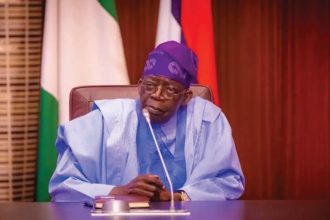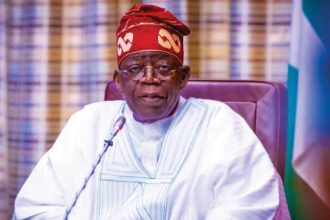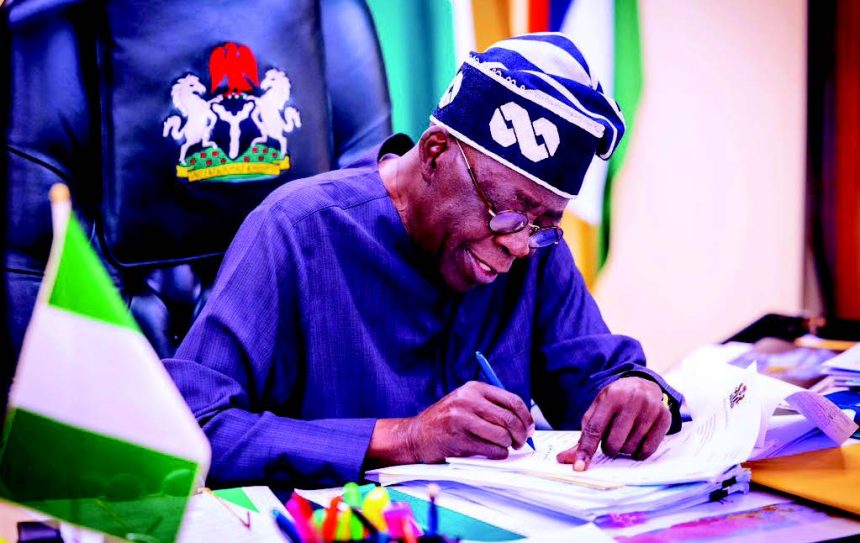
For more than two years, Nigeria operated an awkward diplomatic vacuum. Embassies functioned without substantive heads, consular services slowed, and bilateral relationships were managed at arm’s length. For a country of Nigeria’s size and ambition, that absence carried real costs, reputational, economic, and strategic. President Bola Ahmed Tinubu’s decision to post ambassadors to key global capitals marks an overdue correction, and more importantly, a chance to re-anchor Nigeria’s foreign policy in national interest.
The posting of Ayodele Oke to France, Lateef Kayode Are to the United States, and Amin Mohammed Dalhatu to the United Kingdom is not just about filling vacancies. It is about restoring Nigeria’s voice in capitals that shape global finance, security, and diplomacy. After the initial recall of all ambassadors in 2023, a move that drew criticism and weakened Nigeria’s external leverage, this step signals a recognition that diplomacy cannot be paused without consequences.
We see this decision as timely and necessary. The United States, France, and the United Kingdom are not ceremonial postings. They are strategic theatres. They influence Nigeria’s access to investment, security cooperation, development finance, climate diplomacy, and the protection of its citizens abroad. Having credible, empowered envoys in these capitals immediately strengthens Nigeria’s hand.
The choice of envoys also reveals intent. Oke’s background in intelligence and multilateral diplomacy positions him well to manage France’s complex role in West Africa and the Sahel, regions where Nigeria’s security and economic interests increasingly intersect. France remains a major investor and a key actor in regional security conversations. A steady diplomatic channel is essential, particularly as West Africa navigates shifting alliances and post-coup recalibrations.
Are’s posting to Washington carries even heavier weight. Nigeria–US relations extend beyond symbolism into trade, security cooperation, education, and diaspora engagement. Recent diplomatic frictions and evolving global security priorities require careful handling. With his experience as a former head of domestic intelligence and National Security Adviser, Are brings a security-informed lens to a relationship that increasingly blends defence, technology, and economic diplomacy. We believe his immediate task will be to stabilise engagement, rebuild trust, and ensure Nigeria’s interests are clearly understood in Washington.
Dalhatu’s posting to London is equally strategic. The UK remains one of Nigeria’s closest partners, home to one of its largest diaspora populations, and a major source of investment, remittances, and professional networks. A functioning High Commission matters not just for government-to-government relations, but for everyday Nigerians, students, professionals, and businesses who rely on efficient consular services. Dalhatu’s prior ambassadorial experience should help restore administrative rhythm and political engagement.
Beyond bilateral relations, these postings carry domestic economic implications. Nigeria’s diaspora communities in the US, UK, and France are among the country’s most significant external assets. Remittances, skills transfer, and investment flows depend on trust in consular systems and active engagement. Strengthening these channels directly supports foreign exchange inflows and economic stability at home. We should be clear; diplomacy today is economic policy by other means.
There is also a security dimension. Nigeria’s challenges, from terrorism to cross-border crime and climate-linked instability, cannot be addressed in isolation. Effective ambassadors serve as nodes in international security cooperation, intelligence sharing, and multilateral coordination. In an era of complex geopolitics, Nigeria needs experienced hands navigating these spaces, not empty seats.
We note, however, that the president’s pause on posting an ambassador to Turkey highlights the need for coherence and follow-through. Diplomatic signalling must be consistent. Abrupt reversals risk diluting the broader message of re-engagement. That said, the overall direction remains positive.
Critics will point to the controversies surrounding some nominees or the long delay before postings were made. Those concerns are valid, but they should not obscure the larger national benefit. What matters now is performance. These envoys must move quickly to reopen channels, attract investment, protect Nigerians abroad, and articulate Nigeria’s positions clearly and credibly.
We believe this moment represents a turning point. Nigeria cannot afford diplomatic drift. Global competition for capital, influence, and partnerships is intense. Countries that show up late or half-prepared are ignored. By restoring ambassadorial leadership in key capitals, Nigeria is signalling that it intends to compete.
Ultimately, the success of these postings will be measured not by announcements, but by outcomes, stronger bilateral ties, improved consular services, increased investment flows, and a more confident Nigerian presence abroad. On balance, we welcome the move and see it as a necessary step toward restoring Nigeria’s diplomatic effectiveness and global standing.