Edun Highlights Rising Reserves, Investor Confidence as Signs of Economic Turnaround
By Ahmed Ahmed
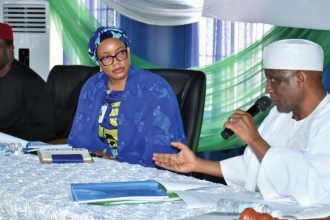
In a clear show of commitment to transparency and citizen inclusion, the Federal Ministry of Finance recently hosted its second quarter 2025 Citizens and Stakeholders Engagement Session in Abuja.
A town hall-style forum designed to report progress, confront challenges, and align public perception with Nigeria’s evolving economic reform blueprint. But this was not just a technical briefing. It was a moment of stock-taking and signaling.
In his keynote, Mr. Wale Edun, Honourable Minister of Finance and Coordinating Minister of the Economy, declared Nigeria’s entry into a new, critical phase of its economic transformation – one anchored on investment-led growth aimed at delivering jobs, reducing inflation, and lifting millions out of poverty. “We are now in the third phase of our reform agenda. Our trajectory is clear: from macro-economic correction to national transformation,” he said.
Reserves Rise, Reforms Show Results
Mr. Edun cited a significant rise in Nigeria’s external reserves – from under $4 billion to over $23 billion – as a direct result of the administration’s deliberate efforts to stabilise the foreign exchange market and attract foreign capital.
Backed by these results, he stated that credit rating upgrades, increased investor confidence, and fresh energy sector investments have begun validating the administration’s fiscal and monetary course corrections under President Bola Tinubu’s Renewed Hope Agenda.
“This is not abstract progress,” Mr. Edun emphasised. “These are foundations we are laying for the prosperity of our people.”
$10bn FX Inflows, N6.9 trn Q1 Revenue Surge
Mr. Edun also disclosed that the country is expecting $10 billion in foreign exchange inflows in the coming weeks, a much-needed boost as Nigeria works to stabilise the naira and expand its industrial base. “This growth in revenue is a direct result of enhanced transparency, automation in revenue collection, and exchange rate reforms,” he said, stating that the administration’s aggressive reforms are “starting to bear real fruit.”
He equally revealed that Nigeria generated N6.9 trillion in revenue in Q1 of 2025 – a sharp 40 percent increase over the N5.2 trillion recorded in the same period in 2024.
From Red to Reform
The Honourable Minister pointed to a dramatic improvement in fiscal discipline, noting that Nigeria’s debt service-to-revenue ratio had dropped to 60 percent, down from an alarming 150 percent under the previous administration. “There is no more dependence on ways and means to finance deficits. The discipline we have instilled is beginning to show,” he stressed.
Such progress signals a major shift in Nigeria’s fiscal landscape – from deficit-driven emergency measures to a more structured and transparent approach that prioritises long-term sustainability.
Reforms Fueling Investor Confidence
According to him, macroeconomic adjustments are not only improving the books – they are attracting serious global capital. He highlighted Shell’s $5.5 billion investment commitment in the oil sector as a vote of confidence in Nigeria’s new investment environment. “We are now in the third phase of our reforms – driving private sector investment into agriculture, manufacturing, and services to boost productivity and job creation,” he explained. Mr. Edun said these investments are key to unlocking inclusive economic growth that does not just reflect in spreadsheets, but translates into jobs, food security, and poverty reduction.
GDP Growth in Sight
Nigeria’s gross domestic product (GDP) is growing steadily, Mr. Edun acknowledged – but he stressed that the goal is not just recovery, but transformation. “We aim for seven percent annual GDP growth – not just to keep up with population growth, but to outpace it and lift millions out of poverty,” he said. This target, he noted, aligns with President Tinubu’s Renewed Hope Agenda, which envisions an economy driven by productivity, inclusivity, and sustainability.
Transparency, Trust, and Public Ownership
Also speaking at the session, Honourable Minister of State for Finance, Dr. Doris Uzoka-Anite, highlighted the value of citizen feedback and private sector input in shaping a responsive and accountable government. “This platform enables citizens and the private sector to hold us accountable. “It is about shaping an economy that listens, adapts, and includes,” she said.
The Ministry’s Permanent Secretary for Special Duties, Mr. Raymond Omenka Omachi, stressed the importance of cross-ministerial collaboration and disciplined execution, stating that “reforms do not just stop at announcements – they must be measured by impact.”
People, Policy, Participation
Attended by a broad mix of civil society leaders, industry players, development partners, and representatives of grassroots constituencies, the engagement session turned from rhetoric to reality as participants queried the implementation timeline, sought clarity on social protection schemes, and recommended ways to cushion inflationary shocks. At its core, the session highlighted a growing consensus: Nigerians are not just watching; they want to be involved in how the reforms are shaped, measured, and delivered.
The Ministry’s pledge? To continue quarterly engagements, ensure open communication lines, and remain vigilant in aligning reform outcomes with everyday realities.
MOFI Hidden Assets To Fund the Future
Also speaking at the session, Dr. Armstrong Takang, CEO of the Ministry of Finance Incorporated (MOFI), who was represented by Mr. Tajudeen Ahmed, a director at MOFI, revealed that just 20 portfolio company audits have already uncovered N38 trillion in public assets under management – a figure expected to grow as more audits are completed. “This is about leveraging public assets to support the national budget and build a foundation for future generations,” Dr Takang said.