By Kingsley Benson
In the face of growing concerns over road safety, the Federal Road Safety Corps (FRSC) and the federal government have continued to demonstrate resolve in tackling Nigeria’s persistent road traffic challenges. While recent data has shown a spike in road crashes and fatalities, authorities say the numbers reflect both improved data tracking and a renewed urgency to address the root causes.
According to the FRSC, Nigeria recorded 2,650 crashes in the first quarter of 2025, resulting in 1,593 fatalities and 9,298 injuries. While the figures reflect an 8.3% rise in deaths and a 7.4% increase in injuries compared to Q1 2024, experts point out that the trend is also a function of better surveillance, faster emergency response documentation, and an expanding national highway network.
“The figures do not just represent loss – they point to areas where interventions are now being made more proactively,” an FRSC spokesperson said. “We are identifying patterns, mapping black spots, and taking action with stakeholders at all levels.”
Rising to the Challenge
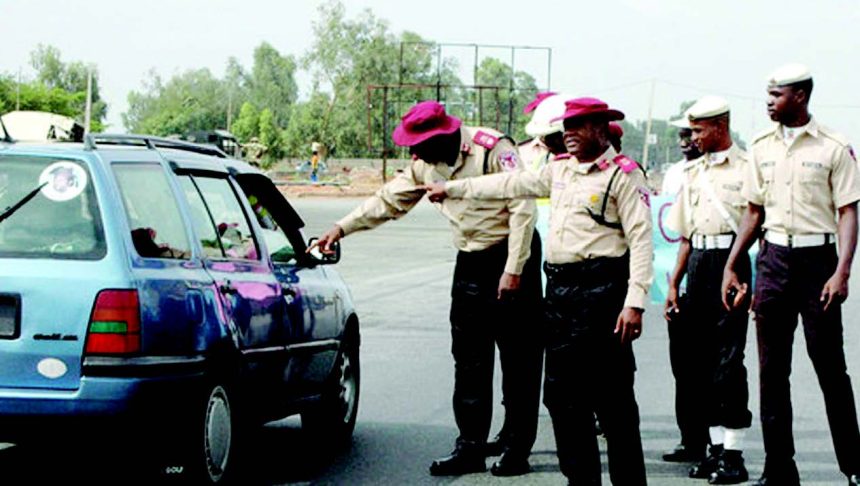
Under the current administration, several key reforms have been initiated to support the FRSC in its mission. The agency has recently intensified its crash prevention campaigns, deployed more highway patrol units, and expanded community-based road safety education across the country. New strategies also include technology-based surveillance, emergency response coordination, and inter-agency cooperation with state governments and the Ministry of Works.
“The federal government is investing more than ever in road infrastructure rehabilitation, intelligent traffic management systems, and vehicle inspection reforms,” the spokesperson added.
Despite these efforts, tragic incidents continue to occur – a sobering reminder of the scale and complexity of the problem.
In Q1 2025, multiple high-profile crashes were recorded, including:
- A bus crash in Plateau State that claimed 19 lives on January 11.
- A trailer collision in Kwara State on January 22 that killed 18 people.
- A fiery bus crash in Ondo State on February 1 that took 30 lives.
- A collision in Kano on February 14 involving a trailer and a goods vehicle that left 23 dead.
And in June, a tragic accident on the Kano-Zaria Expressway claimed the lives of 22 young athletes, while other fatal crashes occurred in Osun, Jigawa, Ogun, and Lagos states.
Tackling the Underlying Issues
Authorities are candid about the root causes of these tragedies. A major percentage of the crashes have been attributed to human factors – including wrong-way driving, reckless overtaking, over-speeding, and driving under fatigue or influence.
Patrick Adenusi, Technical Director of Safety Beyond Borders, noted in a phone interview that tanker overloading, non-compliance with safety standards, and driver fatigue remain critical concerns. “We need stronger synergy between the FRSC, oil marketers, and private fleet operators. It is about shared responsibility,” he said.
The federal government, through agencies like the Ministry of Transportation and the Nigerian Highway Authority, is already ramping up road maintenance efforts and deploying more visible road signage to reduce crash-prone detours and confusion.
The Road Ahead: Reforms, Not Rhetoric
With the onset of the rainy season – a known high-risk period for road travel – the FRSC is accelerating preventive strategies. These include:
- Pre-trip vehicle inspections at major terminals.
- Real-time highway monitoring and mobile enforcement teams.
- Driver refresher training, especially for long-haul and interstate drivers.
- State-level partnerships to enforce the use of seat belts and speed limiters.
Stakeholders also expect the second quarter crash statistics – due later this month – to provide insight into the impact of these intensified safety measures.
Meanwhile, the Presidency has reiterated its commitment to ensuring that the nation’s roads are not just motorable but also safer for all road users. Ongoing investments in road expansion and intelligent traffic systems under the Federal Government’s Infrastructure Renewal Programme are designed to support the FRSC’s work in the long term.
Changing the Narrative
Rather than a signal of failure, many experts argue that the spike in reported crashes reveals the maturity of Nigeria’s road safety reporting infrastructure – and a clear-eyed determination to confront the problem head-on.
“The days of underreporting or ignoring crashes are over,” said a senior FRSC official. “We are building a culture of accountability, from the roads to the motor parks.”
Nigerians are urged to join the effort – by respecting road rules, avoiding dangerous driving habits, and reporting violations. As one campaign slogan aptly puts it: “Road safety is everyone’s business.”
Toward Safer Roads, Together
While the road to full traffic safety remains long and winding, what is clear is that the FRSC – backed by the federal government – is not standing idly by. Through a mix of enforcement, infrastructure, education, and technology, the agency is pushing back against a tide of crashes with every tool at its disposal. The journey may be tough, but the direction is right – and the commitment, unwavering.