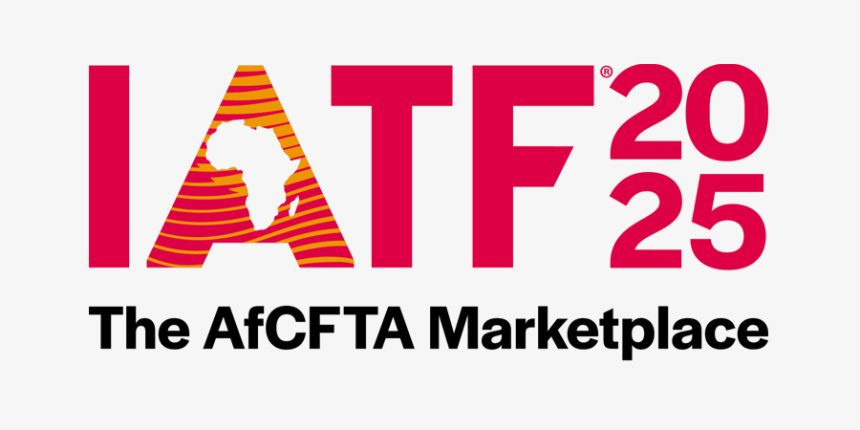
Nigeria’s selection as the host of the 2027 Intra-African Trade Fair (IATF) is more than a ceremonial milestone; it is a rare moment of opportunity. Lagos will become the meeting point of African commerce, a stage where the continent’s goods, services, and ambitions converge. Yet, to us, the essence of this selection lies not in the fanfare of the announcement, but in what Nigeria does between now and 2027 to convert this spotlight into lasting economic dividends.
The fair, anchored by the African Export-Import Bank (Afreximbank) and the African Union (AU), was designed to dismantle barriers to trade and accelerate the African Continental Free Trade Area (AfCFTA). For Nigeria, this is a clarion call to fix the cracks that have long stifled its trade potential – poor infrastructure, cumbersome port systems, unpredictable policy shifts, and a regulatory environment that often discourages rather than encourages cross-border commerce.
We believe the federal government must see this not as a one-off event but as a catalyst for reform. Hosting the IATF should trigger urgent upgrades in logistics, transport, and digital trade infrastructure. It should inspire bold policies that empower small and medium-sized enterprises (SMEs), create export-friendly incentives, and ensure that local businesses are not mere spectators but active beneficiaries of this continental market.
Equally critical is Nigeria’s image. Welcoming the world to Lagos demands more than conference halls and exhibition spaces; it demands a demonstration of political stability, security, and investor confidence. This is where government goodwill must match global expectation. If managed with foresight, the 2027 IATF could set Nigeria on a firmer path toward becoming the true commercial nerve centre of Africa – beyond oil, beyond rhetoric.
The opportunity is here. The question is: will Nigeria host the fair or harness it?
For this event to be truly historic, Nigeria must go beyond the aesthetics of hosting. The government should seize this window to implement enduring trade reforms – simplifying customs procedures, modernising ports, and creating trade corridors that link Lagos seamlessly with the rest of the country and West Africa. A fair of this scale is a platform for commerce, but also a test of capacity.
Hosting IATF offers a chance for Nigerian manufacturers, farmers, and innovators to position their products for the African market and beyond. From processed agricultural exports to emerging technology solutions, this is an opportunity to showcase Nigeria as not just a consumer of imports but a serious contender in exports. SMEs in particular must be supported with access to finance, training, and partnerships that allow them to compete credibly on a continental stage.
While Lagos will be the physical host, the ripple effects should benefit other states and regions. Subnational governments can leverage this moment to woo investors, promote their own exportable products, and build linkages with industries that will feed into the fair. The private sector, from banking to logistics to hospitality, has a critical role in preparing the ecosystem for the influx of trade actors.
Nigeria’s foreign missions and trade attachés must also begin work ahead of 2027. The IATF is a showcase, but it is also a courtship dance where nations position themselves for alliances and deals. Proactive diplomacy can turn what would otherwise be a three-day fair into a multi-year pipeline of investment inflows, joint ventures, and trade agreements that outlast the event itself.
Yet, the warning signs are clear. Without deliberate planning, the 2027 IATF could become another missed opportunity – where grand speeches overshadow weak execution, and visitors leave with handshakes but no contracts. This calls for a national steering committee, strict timelines, and a collaborative approach where federal, state, and private actors share responsibility. The fair must not be a photo-opportunity; it must be a launchpad.