By Ahmed Ahmed
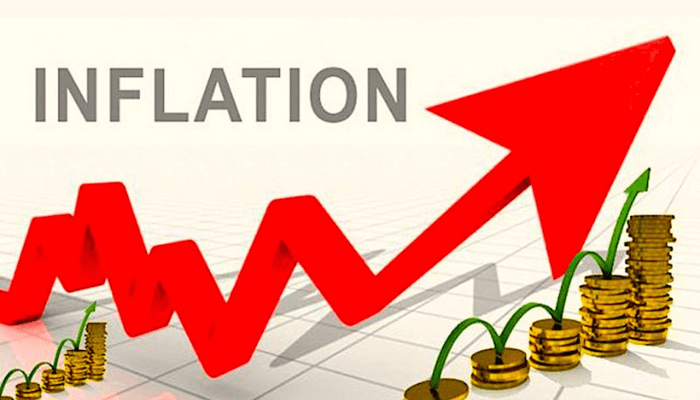
March 2026’s inflationary trend in Nigeria extended with a fresh data pointing to sustained pressure on consumer prices and household budgets. The latest figures from the National Bureau of Statistics (NBS) show that headline inflation rose to 15.38 percent, up from 15.06 percent recorded in February.
At the centre of this increase is a notable jump in the Consumer Price Index (CPI), which climbed to 135.4 from 130.0 in the previous month. The 5.4-point rise reflects a broad-based acceleration in the cost of goods and services, reinforcing concerns about weakening purchasing power across income groups.
On a month-on-month basis, inflation rose sharply by 4.18 percent. This indicates that price increases are not only persistent but also gaining pace, a pattern that complicates efforts to stabilise the macroeconomic environment.
Food prices remain a critical pressure point. The food inflation rate stood at 14.31 percent in March, with a corresponding month-on-month increase of 4.17 percent. Given the weight of food in household expenditure, especially among lower-income groups, this trend continues to drive overall inflation and deepen cost-of-living concerns.
The data arrives alongside a significant methodological shift by the NBS. The agency recently rebased the CPI, replacing the long-standing 2009 reference period with updated benchmarks that better reflect current consumption patterns. This adjustment is not merely technical. It changes how inflation is measured and interpreted.
Under the revised framework, the weight reference period has been updated to 2023, while the base year for prices is now 2024. The CPI basket has also been expanded to include 934 product varieties, structured across 13 divisions in line with the COICOP 2018 classification system.
This broader and more current dataset is designed to improve accuracy, capturing shifts in consumer behaviour, urbanisation and evolving spending patterns. It also introduces a more granular set of indices, including urban and rural measures, core inflation, energy prices and imported food costs.
For analysts, the combination of rising inflation and a rebased index presents a more precise, though less forgiving, picture of economic conditions. The updated framework reduces statistical distortions but also makes underlying price pressures more visible.
The policy implications are immediate. Inflation at current levels places the Central Bank of Nigeria (CBN) in a tighter position. Monetary authorities must balance the need to contain inflation against the risk of constraining economic growth. Higher interest rates, while effective in moderating demand, can also increase borrowing costs for businesses and households.
Beyond monetary policy, the data signals continued strain on consumer spending. As prices rise faster than incomes, discretionary spending typically contracts, with potential spillover effects on retail activity, small businesses and overall economic momentum.
The persistence of food inflation also points to structural issues within the supply chain. Factors such as transportation costs, market inefficiencies and production constraints continue to influence pricing, suggesting that monetary tools alone may not be sufficient to ease pressures.
There is also a forward-looking dimension. With the rebased CPI offering a clearer lens, future inflation readings are likely to carry greater analytical weight. Policymakers, investors and businesses will rely more heavily on these figures to guide decisions on pricing, investment and risk management.