By Benson Kingsley
The creative and cultural sector has entered a new policy phase with the inauguration of four dedicated policy drafting committees aimed at accelerating reforms, strengthening coordination and expanding investment opportunities across the industry.
The initiative, driven by the Nigerian Economic Summit Group (NESG) in collaboration with the Federal Ministry of Art, Culture, Tourism and the Creative Economy, marks a transition from framework agreements to implementation-focused governance structures for one of the country’s fastest-growing non-oil sectors.
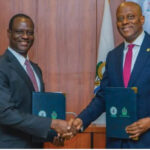
The committees were inaugurated following a Memorandum of Understanding (MoUs) signed over a year ago, which set the foundation for structured cooperation between public institutions, private sector actors and development partners. The latest step is intended to translate that agreement into actionable policy outputs that can shape long-term sectoral growth.
The four committees are focused on Creative Economy Policy Development, Financing and Incentivisation, Inter-Ministerial Technical Sessions, and an International Conference on Financing. Collectively, they are expected to define the operational architecture for how Nigeria’s creative industries will be regulated, funded and globally positioned.
The structure reflects a deliberate attempt to move beyond fragmented interventions. By separating policy design from financing mechanisms and inter-agency coordination, the framework seeks to address one of the sector’s longstanding weaknesses: institutional dispersion. For a sector that spans film, music, fashion, tourism and cultural heritage, coherence has often been a missing link.
The initiative also signals stronger alignment between government and market actors. The NESG, which has increasingly positioned itself as a bridge between policy formulation and private sector participation, described the development as a critical step toward unlocking the sector’s economic value.
With support from multilateral and development partners including UNESCO, UNDP, the European Union and the International Finance Corporation, the initiative is also being framed within a broader international cooperation context. These institutions bring both technical expertise and financing perspectives, particularly relevant for a sector that is increasingly viewed as export-capable.
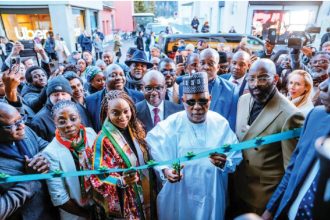
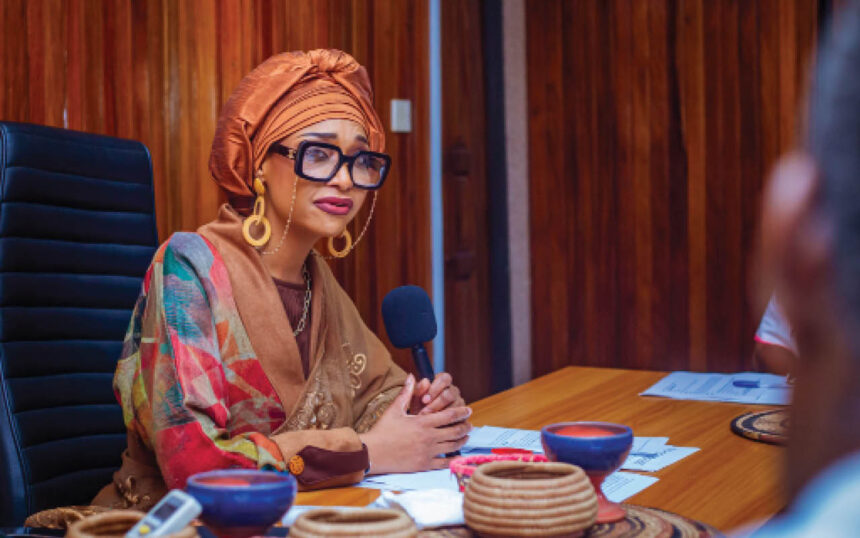
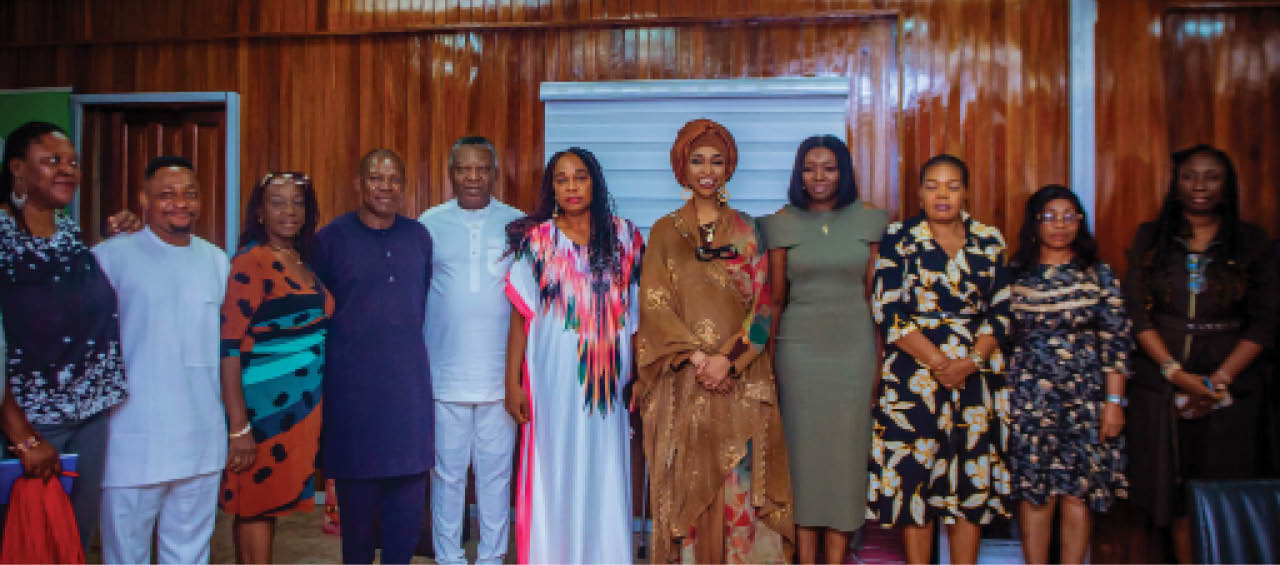
At the inauguration, stakeholders emphasised the need for structured implementation. The Honourable Minister of Art, Culture, Tourism and the Creative Economy, Mrs. Hannatu Musawa, alongside policy facilitators and NESG representatives, underscored the importance of converting policy intent into measurable outcomes.
The sector’s growth potential is significant but unevenly realised. Nigeria’s creative economy already commands strong global visibility through its film and music industries, yet it continues to face structural constraints in financing, intellectual property protection, infrastructure and formalisation. The new committees are expected to address these gaps through targeted policy instruments.
Financing remains a central focus. The inclusion of a dedicated Financing and Incentivisation Committee reflects recognition that capital access is one of the most binding constraints on sectoral expansion. Without structured funding pathways, many creative enterprises remain informal, undercapitalised and unable to scale.
The proposed International Conference on Financing is expected to serve as a platform for mobilising both domestic and international capital. It also signals an intention to position Nigeria’s creative sector within global investment conversations, particularly those focused on cultural industries and digital content economies.
Beyond financing, the Inter-Ministerial Technical Sessions committee is designed to improve coordination across government agencies. This is critical in a sector where policy responsibilities are often distributed across multiple ministries and regulators, leading to duplication and inefficiencies.
The involvement of development partners adds another layer of strategic depth. Institutions such as UNESCO and UNDP have historically supported cultural preservation and creative industry development, while the IFC brings a private sector investment lens. Their participation suggests an effort to blend cultural policy objectives with commercial viability.
The broader policy direction aligns with Nigeria’s push to diversify its economy away from hydrocarbons. The creative sector is increasingly being viewed not only as a cultural asset but also as a potential export engine capable of generating foreign exchange, employment and digital innovation.
However, the success of this initiative will depend on execution discipline. Policy frameworks in the sector have historically struggled with implementation gaps, often due to funding limitations, weak enforcement mechanisms and fragmented institutional ownership.