For much of the past decade, Nigeria’s relationship with international investors has been shaped by a cycle of promise, hesitation and recurring uncertainty. Africa’s largest economy has consistently attracted global attention because of its market size, population strength, natural resources and strategic regional position. Yet investor confidence has often fluctuated alongside foreign exchange instability, fiscal pressures, policy reversals and structural economic weaknesses. That tension between Nigeria’s enormous economic potential and its persistent macroeconomic vulnerabilities has become one of the defining themes of the country’s modern economic history.
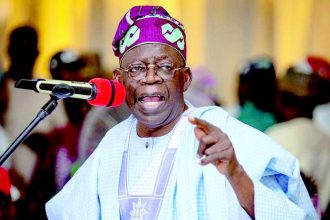
Since assuming office, the administration of President Bola Ahmed Tinubu has pursued some of the most far-reaching economic reforms seen in recent years. Energy market reforms, foreign exchange liberalisation, tighter fiscal controls and renewed emphasis on revenue generation marked a significant departure from policies that many international financial institutions and market analysts had long criticised as economically unsustainable. Those adjustments, however, have also carried immediate domestic consequences. Enam Obiosio writes.
Rising fuel costs, inflationary pressure, currency depreciation and increased living expenses have intensified economic hardship for many Nigerians, even as government officials continue to argue that the reforms are necessary to stabilise public finances, restore macroeconomic balance and reposition the economy for long-term growth. Against that backdrop, the administration’s economic diplomacy has increasingly moved beyond domestic policy implementation toward external confidence-building.
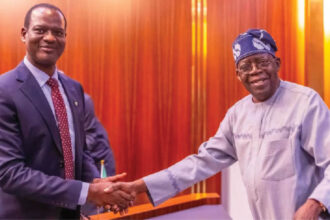
International investor engagement is now emerging as a central component of Nigeria’s reform strategy, particularly as the government seeks to attract capital inflows, stabilise foreign exchange liquidity, lower sovereign borrowing risks and improve international market perception. President Tinubu’s recent meeting with global institutional investors in Paris therefore represented more than a routine diplomatic engagement. It reflected a broader effort to reassure international markets that Nigeria’s reforms are not temporary crisis responses, but part of a longer-term economic restructuring agenda intended to reposition the country for sustainable growth and stronger investor confidence.
The discussions also highlighted an important reality confronting many emerging economies: in global financial markets, credibility often matters as much as policy itself. Investors increasingly evaluate not only the content of reforms, but also the likelihood that governments will sustain them consistently through political transitions, institutional pressures and domestic resistance. For Nigeria, the challenge is particularly significant because investor scepticism has historically been shaped not merely by economic conditions, but also by concerns over policy execution, governance stability and reform continuity.
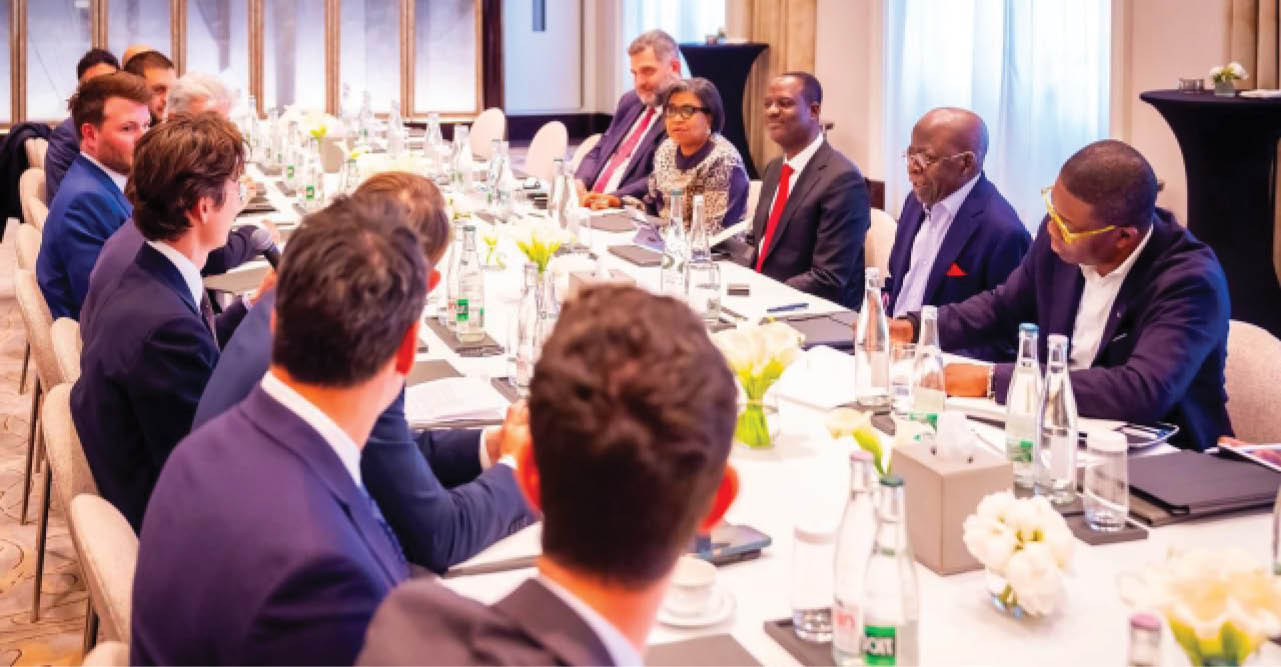
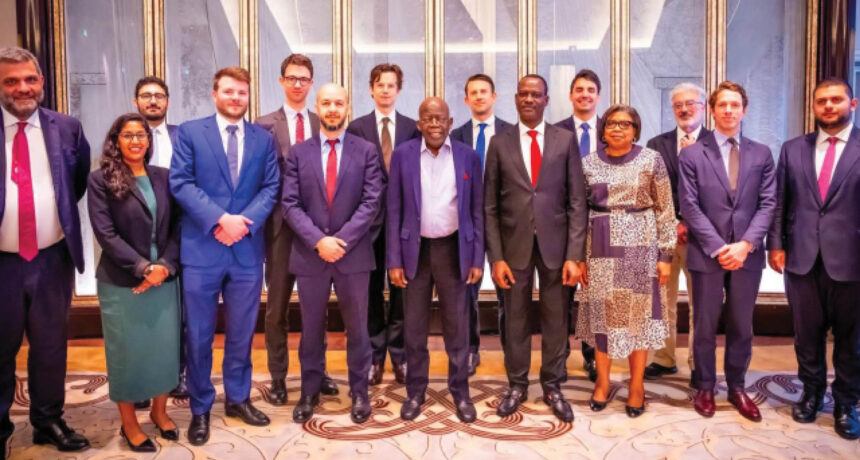
The Paris engagement therefore offered insight into how the Tinubu administration is attempting to address those concerns while projecting Nigeria as a reforming economy seeking stronger integration into global capital flows. The meeting, held on May 5 as part of President Tinubu’s three-nation trip, brought together some of the world’s major investment firms, including Citibank, Amundi, BlueCrest, Ninety One, Kirkoswald Capital, Principal Finisterre, Prudential Global Investment Management and Mesarete Capital.
At the centre of the discussions was a message the administration has increasingly sought to project internationally: that Nigeria’s ongoing reforms are not temporary responses to economic pressure, but part of a broader effort to rebuild fiscal credibility, restore investor confidence and reposition the country for long-term growth. For this administration, the challenge extends beyond implementing reforms domestically. It now involves convincing global investors that Nigeria can sustain difficult policy adjustments consistently enough to attract long-term capital and improve confidence in the country’s economic direction.
That appears to explain the strong emphasis placed on policy stability, fiscal discipline and transparency during the Paris meeting. The Honourable Minister of Finance and Coordinating Minister of the Economy, Mr Taiwo Oyedele, told investors that Nigeria recorded 11.2 percent Gross Domestic Product growth in dollar terms in 2025, while reaffirming the administration’s ambition of building a $1 trillion economy by 2030. Oyedele also pledged quarterly publication of financial data, a move likely aimed at reassuring investors seeking greater clarity around fiscal reporting, debt sustainability and macroeconomic management.
The administration’s reform programme has already reshaped key areas of the economy through subsidy removal, exchange rate liberalisation and tighter fiscal measures. Those policies have drawn mixed reactions domestically because of rising living costs and inflationary pressure, but government officials increasingly maintain that the reforms are necessary to restore long-term economic stability and strengthen investor confidence. The Paris engagement further demonstrated that the government is actively attempting to convert those reforms into external investment confidence and broader international market credibility.
The Director-General of the Debt Management Office, Ms Patience Oniha, also used the meeting to reassure investors about Nigeria’s debt management approach, stressing that borrowing decisions would remain guided by sustainability considerations. That message carries particular importance because international investors continue to monitor Nigeria’s debt profile, foreign exchange position and fiscal balance closely when assessing sovereign risk and long-term investment exposure.
President Tinubu, for his part, told investors that his administration remained committed to policy continuity, oil sector transparency and security reforms, including measures targeting terrorist financing and police decentralisation. The inclusion of security reform within an investment-focused discussion reflected growing recognition that economic confidence is increasingly linked to broader institutional stability, governance credibility and internal security management.
The meeting also highlighted another important reality confronting Nigeria’s reform programme: investors are no longer evaluating reforms only through economic indicators, but also through political continuity. One of the questions reportedly raised during the discussions focused on Nigeria’s post-2027 direction, underscoring investor interest in whether current reforms would survive future political transitions and remain institutionally sustainable beyond the present administration.
That concern is not unique to Nigeria. Across emerging markets, investors increasingly look for signs that reforms are institutional rather than personality-driven, particularly in countries where policy reversals have historically weakened long-term investment confidence and disrupted economic planning. For Nigeria, the Paris meeting therefore represented more than diplomatic engagement. It reflected an evolving economic strategy in which communication itself has become part of reform management and investor relations.
The administration is not only implementing policy changes; it is also attempting to reshape how global capital markets perceive Nigeria’s economic trajectory, fiscal direction and long-term investment outlook. Whether that effort ultimately succeeds may depend less on international roadshows and more on how consistently reforms translate into measurable domestic outcomes, including inflation moderation, foreign exchange stability, fiscal discipline, stronger institutional credibility and improved investor confidence at home.