
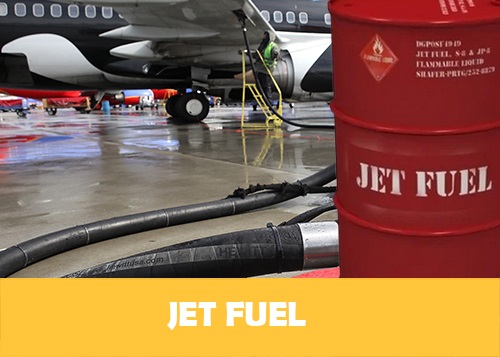
For too long, Nigeria’s aviation sector has operated under the suffocating weight of uncontrolled jet fuel pricing, weak market discipline and opportunistic profiteering that pushed operational costs to unsustainable levels. Airlines complained endlessly, passengers paid heavily through inflated ticket fares, yet the market remained trapped in a cycle of volatility that appeared to benefit only a handful of fuel marketers.
That is why the decision by Dangote Petroleum Refinery to publicly disclose a daily indicative gantry price for Aviation Turbine Kerosene, popularly known as Jet A1, deserves far more than routine regulatory acknowledgment. It represents one of the clearest disruptions yet to the opaque pricing culture that has long defined Nigeria’s downstream aviation fuel market.
We believe this intervention exposes an uncomfortable reality within the sector. If a local refinery can publicly fix a transparent benchmark at N1,820 per litre while some marketers were previously selling above N2,230 per litre, then the question becomes unavoidable: exactly how much of the aviation fuel crisis was genuinely market-driven, and how much was simply a product of excessive pricing exploitation?
The Nigerian Midstream and Downstream Petroleum Regulatory Authority (NMDPRA) appears correct in identifying the development as a stabilising mechanism. Transparency alters markets. Once pricing becomes visible and benchmarked against a major domestic supplier, arbitrary pricing behaviour becomes more difficult to justify.
For years, deregulation was repeatedly interpreted within parts of the downstream sector as a licence for unchecked pricing discretion rather than a framework for competitive efficiency. The result was a distorted market where consumers bore the consequences of weak accountability and inadequate supply-side competition. The aviation sector became one of the worst casualties.
Airlines already battling foreign exchange pressures, maintenance costs, insurance burdens and infrastructure inefficiencies found themselves trapped under extreme fuel costs that significantly distorted operational sustainability. Inevitably, those costs filtered directly to passengers, worsening the affordability crisis around domestic air travel.
We therefore view Dangote refinery’s pricing disclosure not merely as a commercial decision, but as a market-correcting signal capable of introducing a more disciplined pricing culture within the aviation fuel ecosystem.
More importantly, the development quietly strengthens the regulatory position of the NMDPRA itself. In a deregulated environment where direct price fixing is limited, transparent domestic pricing benchmarks provide regulators with stronger monitoring leverage against abnormal market behaviour. That matters significantly.
The regulator’s earlier pricing advisory framework clearly showed an attempt to moderate excessive pricing pressure. Yet the persistence of prices above recommended bands exposed the limitations of advisory oversight in a market still vulnerable to supply concentration and pricing opacity. Dangote refinery’s entry changes part of that equation.
We must also recognise the wider economic implications. Aviation is not an isolated industry. High jet fuel costs weaken tourism, raise business travel expenses, slow commercial mobility and ultimately constrain broader economic productivity. Stabilising aviation fuel pricing therefore carries consequences beyond airline profitability alone.
However, transparency alone will not permanently solve the problem. The real test will lie in whether competition genuinely deepens, whether supply becomes more consistent and whether regulators sustain aggressive monitoring against exploitative practices. Without those conditions, temporary pricing relief could eventually relapse into another cycle of market distortion.
Still, the current development sends a powerful signal. Nigeria’s downstream petroleum sector can no longer sustain a culture where opacity consistently overrides accountability.