

By Ahmed Ahmed
The Nigeria Revenue Service (NRS) has urged content creators, social media influencers and other creative entrepreneurs to formalise their businesses, obtain tax identification numbers and maintain proper financial records to access tax incentives, attract investment and build sustainable enterprises.
The appeal was made during a tax policy discussion at the Creative Africa Nexus Weekend 2026 in Lagos, where NRS officials highlighted the commercial and regulatory disadvantages of operating informal businesses, particularly through personal bank accounts without adequate financial documentation.
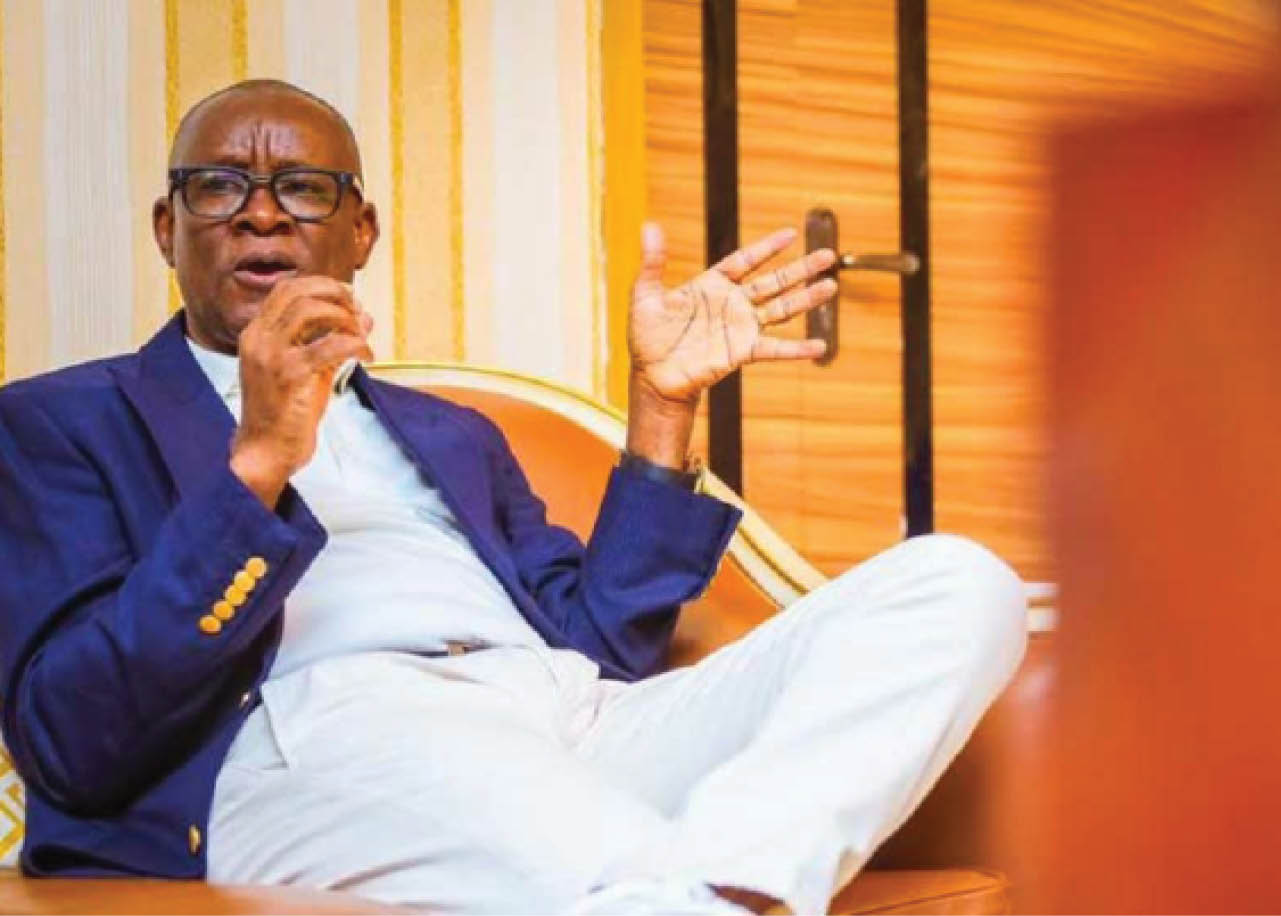
Assistant Director of Tax at the NRS, Kazeem Lawal, said creators earning substantial income through social media and other digital platforms needed to move beyond informal arrangements if they intended to expand their operations.
“Formalisation is what creates the pathway to growth and then sustainability in business,” he said.
Lawal explained that business registration provides a separate legal identity, strengthens credibility and improves access to investors, corporate contracts and financing. He also cautioned that mixing business earnings with personal finances could weaken the ability of creative entrepreneurs to demonstrate their commercial performance.
On tax obligations, he clarified that small businesses were relieved of certain Value Added Tax (VAT) collection responsibilities but could still incur VAT on taxable purchases. He stated that taxpayers wrongly charged VAT could obtain refunds within 30 days without a prior audit.
Similarly, Assistant Director in the NRS Field Operation Monitoring Department, Simeon Onyegbula, emphasised the importance of obtaining tax identification numbers and maintaining accurate financial records to establish eligibility for applicable reliefs.
“Formalise, register, and obtain a tax ID. Keep proper records with all of this, and comply with all the relevant tax laws. Enjoy all the incentives available, and then grow,” he said.
Onyegbula said businesses must retain invoices, receipts, ledgers and other supporting documents to substantiate expenses and calculate taxable profits accurately. Personal expenditure, he stressed, could not be deducted as business expenses.
The NRS also highlighted incentives available to qualifying creative businesses and investors. Director of Government Business South Directorate, Mustapha Akaje, disclosed that eligible investments in designated sectors, including the creative industry, could attract a 5 percent tax credit on capital expenditure of at least N250 million.
He stated that companies with annual turnover not exceeding N100 million and fixed assets below N250 million could qualify for zero company income tax and exemption from the 4 percent development levy. Other incentives cover qualifying startups, research and development, foreign-source income and export-oriented businesses operating in free trade zones.
Akaje noted that free trade zone businesses must export at least 75 percent of their products or services to qualify for the relevant exemption. Small businesses, he added, no longer require separate exemption certificates but must continue filing tax returns to establish their eligibility.
To strengthen support for the sector, Executive Director of People, Stakeholders and Communication at the NRS, Obinna Ihedioha, announced the establishment of an NRS Investment and Tax Advisory Hub and a Creative Economy Tax and Investment Initiative.
The platforms are expected to guide creative businesses on registration, tax incentives, investment opportunities and compliance.
The initiative places business formalisation at the centre of the NRS engagement with the creative economy. However, the extent to which these incentives translate into stronger investment and business expansion will depend on creators’ ability to understand the requirements, maintain credible records and access the advisory support being introduced.