
By Jennete Ugo Anya
Nigeria has urged Russia to translate its diplomatic relationship with African countries into measurable economic benefits, calling for stronger trade, investment and development cooperation backed by practical implementation frameworks.
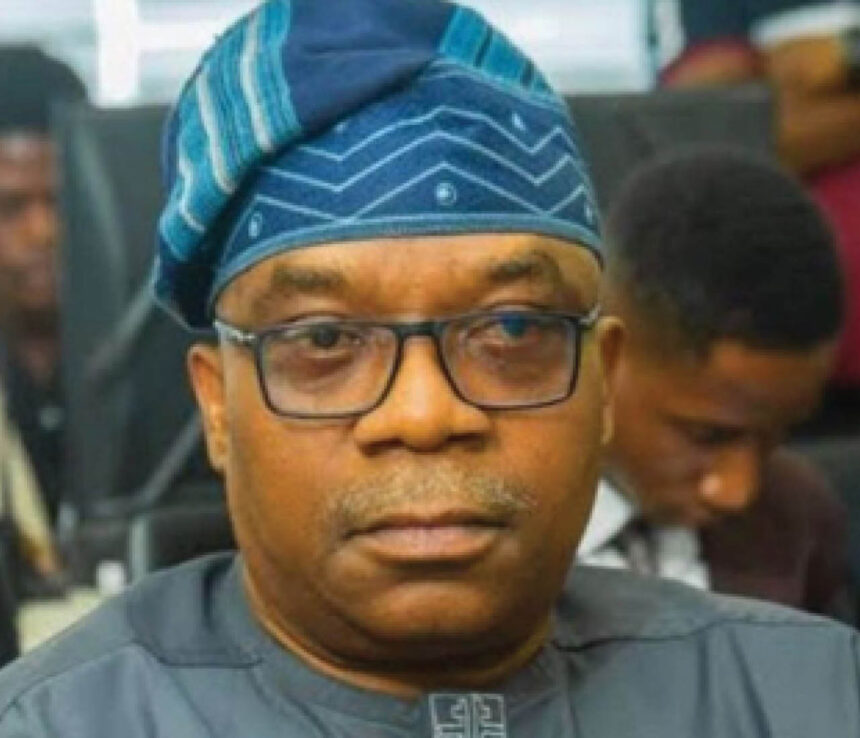
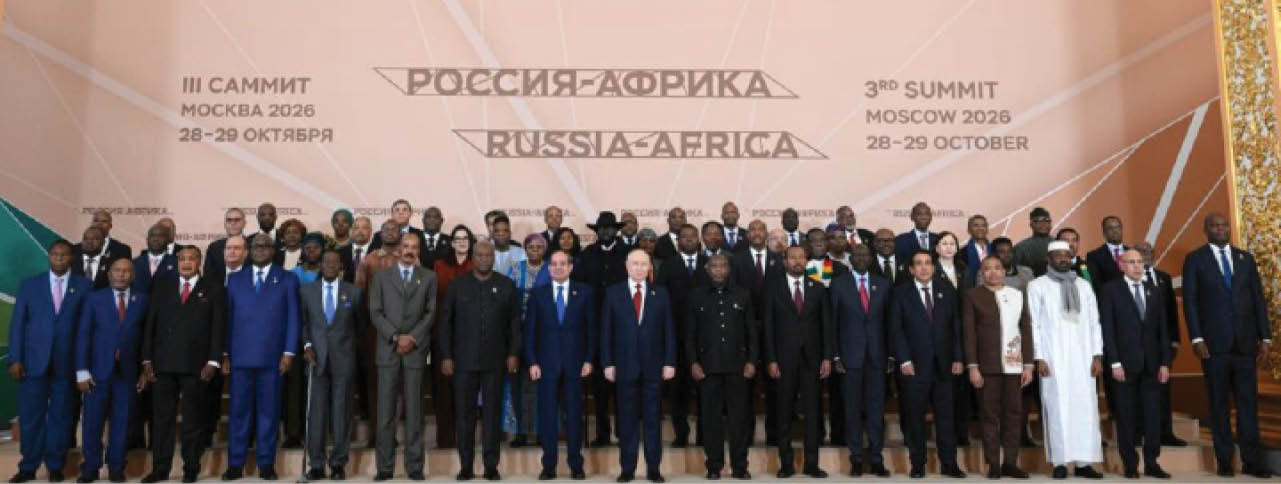
The Minister of State for Foreign Affairs, Ambassador Sola Enikanolaiye, made the call while delivering Nigeria’s National Statement at the Third Russia-Africa Summit at the Grand Kremlin Palace. Leading the Nigerian delegation, he said the partnership should be judged by the tangible benefits it delivers to citizens rather than political commitments alone.
Enikanolaiye identified weak banking channels, payment arrangements and financial infrastructure as barriers to trade and investment between Russia and African countries. He called for improved cross-border payment systems, including local currency settlement mechanisms, to facilitate commercial transactions.
“The future of this partnership cannot be built by governments alone,” he said, urging greater participation by African private sector operators in shaping and implementing bilateral economic initiatives.
On security, the minister reaffirmed Nigeria’s commitment to strategic autonomy and called for stronger regional and international cooperation against terrorism, violent extremism, organised crime, arms trafficking, piracy and cybercrime. He identified instability in the Sahel and Gulf of Guinea as threats requiring coordinated responses anchored on African ownership and African-led solutions.
The economic agenda also featured infrastructure development, with Enikanolaiye inviting Russian investment in commercially viable projects across transport, railways, ports, energy, telecommunications and logistics. He said such investments should improve regional connectivity and support the African Continental Free Trade Area (AfCFTA).
He further called for cooperation in digital infrastructure, artificial intelligence, cybersecurity, software development and joint research. According to him, Africa must move beyond being a consumer of technology through technology transfer, skills development and stronger local capabilities.
Agriculture and food security were also identified as priority areas. Enikanolaiye called for collaboration in fertiliser production, irrigation, mechanisation, storage, food processing and agricultural research, arguing that stronger domestic production and processing would help African countries retain more value within their economies.
To move the proposals beyond summit declarations, he said Nigeria supported an Africa-Russia Action Plan for 2027–2029, with defined priorities, financing arrangements and monitoring frameworks.
“The success of the Third Summit should be judged by what happens after it,” he said.
Russian President Vladimir Putin, addressing the plenary, described Russia and Africa as natural allies in building a just multipolar world order. He reaffirmed Moscow’s commitment to sovereign equality, expanded diplomatic engagement, security cooperation and greater African representation in global institutions.
The Chairperson of the African Union and President of Burundi, Evariste Ndayishimiye, also stressed the importance of balanced international partnerships. He said Africa would not replace one form of subordination with another, highlighting technology transfer and talent development as necessary to address infrastructure gaps and strengthen the continent’s economic independence.
For Nigeria, the summit presents opportunities in energy, solid minerals, agriculture, manufacturing, pharmaceuticals, defence and digital services. Enikanolaiye described the country as Africa’s largest market and a strategic gateway to West Africa and the AfCFTA.
However, converting these opportunities into economic outcomes will require more than investment invitations. Improved payment infrastructure, commercially viable projects, transparent financing arrangements and effective monitoring will be essential to sustaining cooperation.
The proposed 2027–2029 Action Plan could provide a framework for accountability, but its impact will depend on the commitments made by both sides and the extent to which African priorities shape project selection and implementation.