
By Ahmed Ahmed
The federal government has expanded support under the Basic Healthcare Provision Fund (BHCPF) to about 13,000 primary healthcare facilities and announced a quarterly disbursement of N40.7 billion to states to improve access to essential health services.
The intervention also includes plans to recruit frontline health workers and extend health insurance coverage to 90,000 vulnerable Nigerians, as the government seeks to strengthen healthcare delivery and reduce financial barriers to treatment.
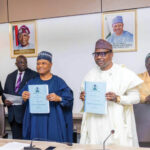
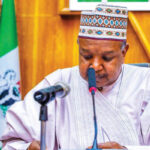
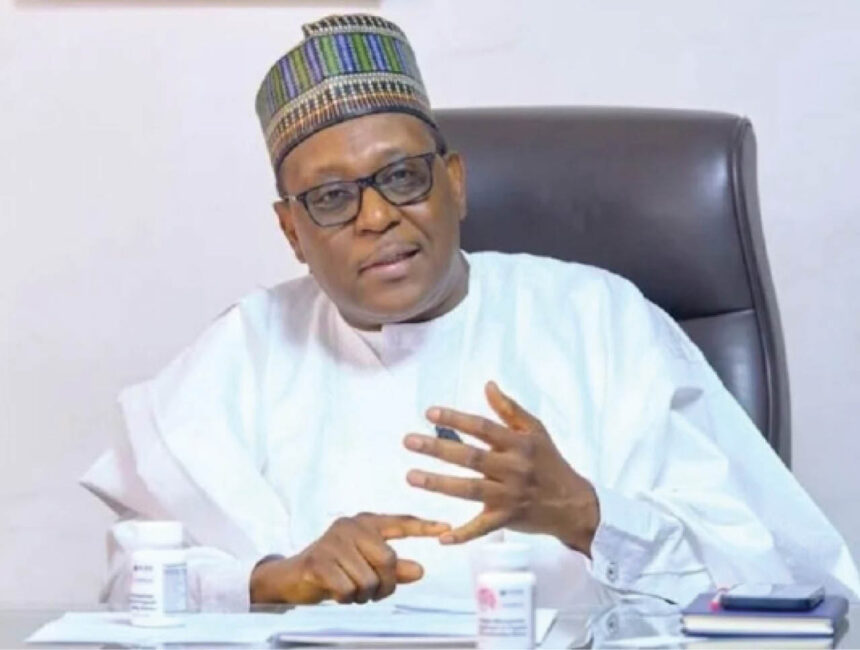
The Co-ordinating Minister of Health and Social Welfare, Prof. Muhammad Ali Pate, disclosed the measures in Abuja recently while briefing journalists on the outcome of a meeting of the Ministerial Oversight Committee (MOC) on the fund’s implementation.
Pate said 5,000 additional primary healthcare facilities had been approved for inclusion in the programme, with their selection guided by equity considerations, including disease burden, population distribution and distance to healthcare services.
He attributed the increase in funding available to the programme to the Federal Government’s fiscal and macroeconomic reforms, noting that monthly disbursements into the fund had almost doubled.
However, he stressed that federal allocations alone would not guarantee sustainable improvements in primary healthcare, urging state and local governments to increase their contributions.
“The only way this will work is if we approach this as a national health system. The federal government does its part, but states must also do their part to ensure that the funding is sustained,” he said.
The government is also working to recruit frontline health workers using savings made by the National Primary Health Care Development Agency (NPHCDA). According to Pate, funding responsibility for the recruited workers would gradually shift to state and local governments over the next three years to address staffing shortages and establish a sustainable workforce financing arrangement.
On accountability, the minister called for the adoption of digital technologies, including artificial intelligence, to track expenditure and establish whether public funds released to facilities translate into services for patients.
He said manual and paper-based records made it difficult to verify how funds were used, adding that digital monitoring could help identify irregularities, provided adequate cybersecurity measures protected sensitive information.
Pate also urged civil society organisations, community leaders and the media to collaborate with a joint task force established alongside the Independent Corrupt Practices and Other Related Offences Commission (ICPC) to monitor disbursements to healthcare facilities.
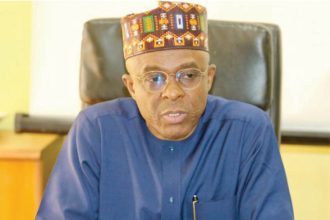
To reduce the cost of medicines and essential health commodities, the committee considered pooled procurement arrangements that could enable facilities to obtain supplies at more competitive prices. The Minister of State for Health and Social Welfare, Dr. Iziaq Adekunle Salako, also stressed the importance of efficient procurement and resource utilisation.
The meeting further reviewed responses to Lassa fever, cholera and diphtheria. Pate called on states to strengthen outbreak preparedness, noting that timely intervention could prevent Lassa fever deaths. He also urged parents and caregivers to ensure children received recommended vaccinations against diphtheria.
Beyond primary healthcare, the Federal Government is pursuing the rehabilitation of teaching and tertiary hospitals, alongside improvements in diagnostic infrastructure and cancer care facilities.
The expanded funding represents a significant increase in the programme’s reach, but its impact will depend on reliable staffing, adequate supplies, transparent expenditure and sustained state-level financing. Without these conditions, higher allocations may not translate into better health outcomes for Nigerians.