By Musa Ibrahim
Nigeria has strengthened its position in the global energy policy landscape after signing a Joint Work Programme with the International Energy Agency (IEA), creating a structured framework for cooperation on energy data, policy development and investment across the value chain.
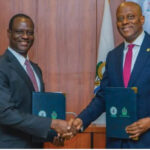
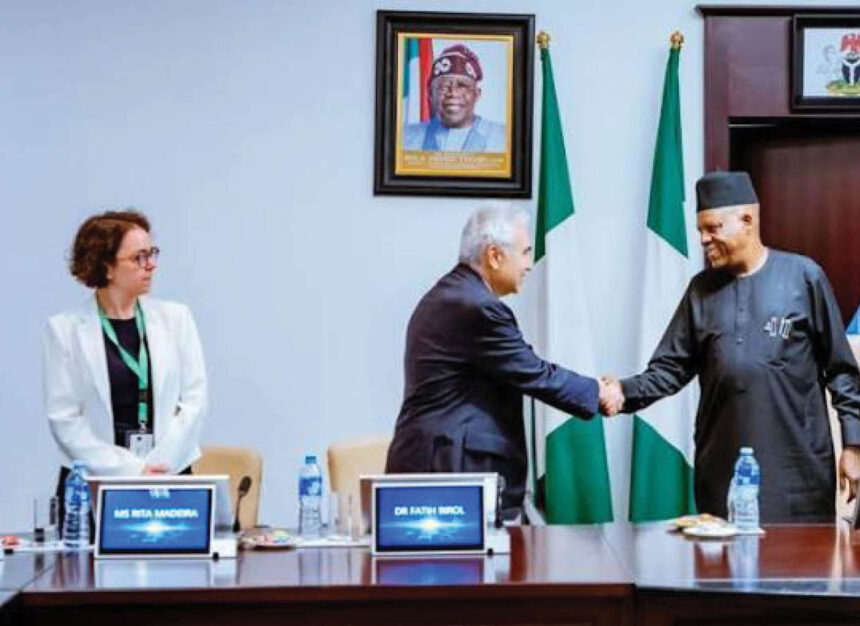
The agreement was signed in Abuja on Thursday, September 3, 2026, following Nigeria’s formal admission as an Association Country of the Paris-based energy organisation.
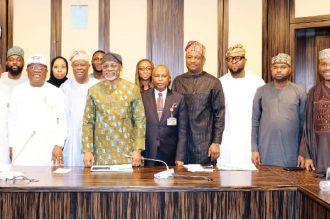
Vice President Kashim Shettima, who represented President Bola Ahmed Tinubu at the signing, described the development as a significant milestone that reflects Nigeria’s growing strategic importance in the global energy market.
He said the partnership would give Nigeria access to the IEA’s institutional knowledge, technical expertise and international reach as the country seeks to harness its extensive energy resources for economic development and energy security.
“Nigeria’s admission as an association country with the IEA is a significant milestone for our country and it reflects Nigeria’s strategic importance in the global energy landscape and the confidence that IEA has placed in our commitment to constructive international energy cooperation,” Shettima said.
The Joint Work Programme is expected to bring IEA technical expertise into Nigeria’s energy sector, particularly in developing reliable data to guide policy decisions and investment across the energy value chain.
For Nigeria, the agreement comes as the country seeks to improve energy security while expanding access to electricity, developing its gas resources and increasing the contribution of renewable energy to the national energy mix.
Vice President Shettima said Nigeria would benefit from the IEA’s intellectual resources and experience as it pursues a more effective use of its abundant conventional and renewable energy resources.
He also assured the agency that Nigeria would continue working with international partners to contribute to discussions around a fair and just energy transition.
IEA Executive Director Dr. Fatih Birol said Nigeria’s admission followed extensive discussions and a detailed assessment of the country’s engagement with the organisation.
He explained that the IEA works across a broad range of energy technologies and issues, including oil, gas, solar power, nuclear energy, artificial intelligence and electric vehicles.
According to Birol, Nigeria’s admission was unanimously approved by the IEA Board, whose membership includes governments such as the United States, Japan, Germany, Italy and the United Kingdom.
He said the organisation would support Nigeria’s energy sector over the coming years with policy advice, technical expertise and capacity development.
“The IEA will accompany the Nigerian energy sector for the next few years to come for a much better energy future. We will provide policy advice from clean cooking to gas markets, from gas markets to training Nigerian experts at the IEA on our own,” Birol said.
The Minister of State for Petroleum Resources (Gas), Ekperikpe Ekpo, said the new relationship reflected the progress made by the Tinubu administration and the policy direction adopted in the energy sector.
He said the Joint Work Programme would provide a mechanism for IEA technical experts to work with Nigerian counterparts on data development, energy policy and investment planning.
The emphasis on data is particularly important. Reliable and timely energy data can improve investment decisions, identify supply gaps and enable government to develop policies based on clearer evidence of demand, production and consumption patterns.
The partnership also builds on an existing relationship between the IEA and Nigeria’s Energy Commission.
The Director-General of the Energy Commission of Nigeria, Dr. Mustapha Abdullahi, said the two organisations had previously worked together on the joint sponsorship of Nigeria’s last National Energy Master Plan, although there had been no formal structure governing the relationship.
He expressed confidence that Nigeria’s new status within the IEA and the Joint Work Programme would strengthen that cooperation.
The Minister of State for Foreign Affairs, Ambassador Sola Enikanolaiye, said the Nigerian Mission in Paris played an important role in securing the partnership.
He said the Ministry of Foreign Affairs regarded the initiative as part of Nigeria’s national interest and would continue to coordinate efforts to ensure that the country derives maximum value from the relationship.
“Our role is to ensure that whatever government does at home is projected effectively in advancing and promoting the interest of Nigeria,” he said.
The new partnership gives Nigeria an opportunity to connect its domestic energy ambitions with global expertise and investment networks. It also provides a platform for Nigerian policymakers and technical professionals to strengthen their capacity in an energy system being rapidly reshaped by technology, changing markets and the transition towards cleaner sources.
For Nigeria, the value of the agreement will ultimately be measured by how effectively the new technical cooperation improves energy planning, attracts investment and strengthens security of supply.
The signing therefore marks the beginning of a more structured relationship. The task ahead is to convert the access to expertise and data into practical energy policies that support industrial growth, investment and reliable energy for Nigerians.