
By Kingsley Benson
The federal government has begun a series of zonal consultations to develop a national framework for anticipating food and nutrition crises, as climate shocks, insecurity and economic pressures continue to pose risks to food systems.
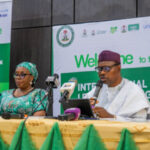
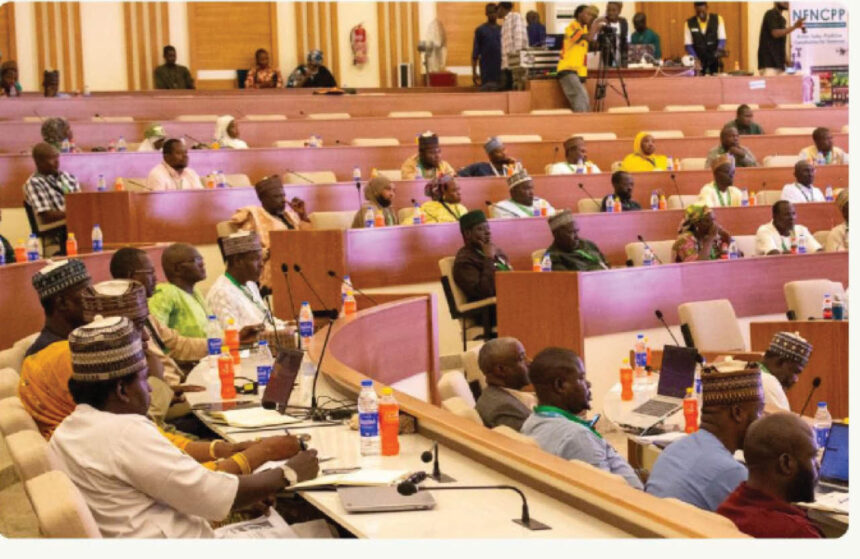
The Presidential Food Systems Coordinating Unit (PFSCU), in collaboration with the Food and Agriculture Organisation of the United Nations (FAO) in Nigeria, opened the first of six consultations in Maiduguri, Borno State, recently. The exercise is aimed at developing the National Food and Nutrition Crisis Preparedness Plan (NFNCPP), which seeks to strengthen early warning, risk mitigation and coordinated responses to emerging threats.
According to the coordinating bodies, food and nutrition crises often result from overlapping pressures, including extreme weather, insecurity, production constraints, market disruptions, macroeconomic difficulties and interruptions to regional and global supply chains. These risks can reinforce one another and spread across state boundaries, making coordinated intervention essential.
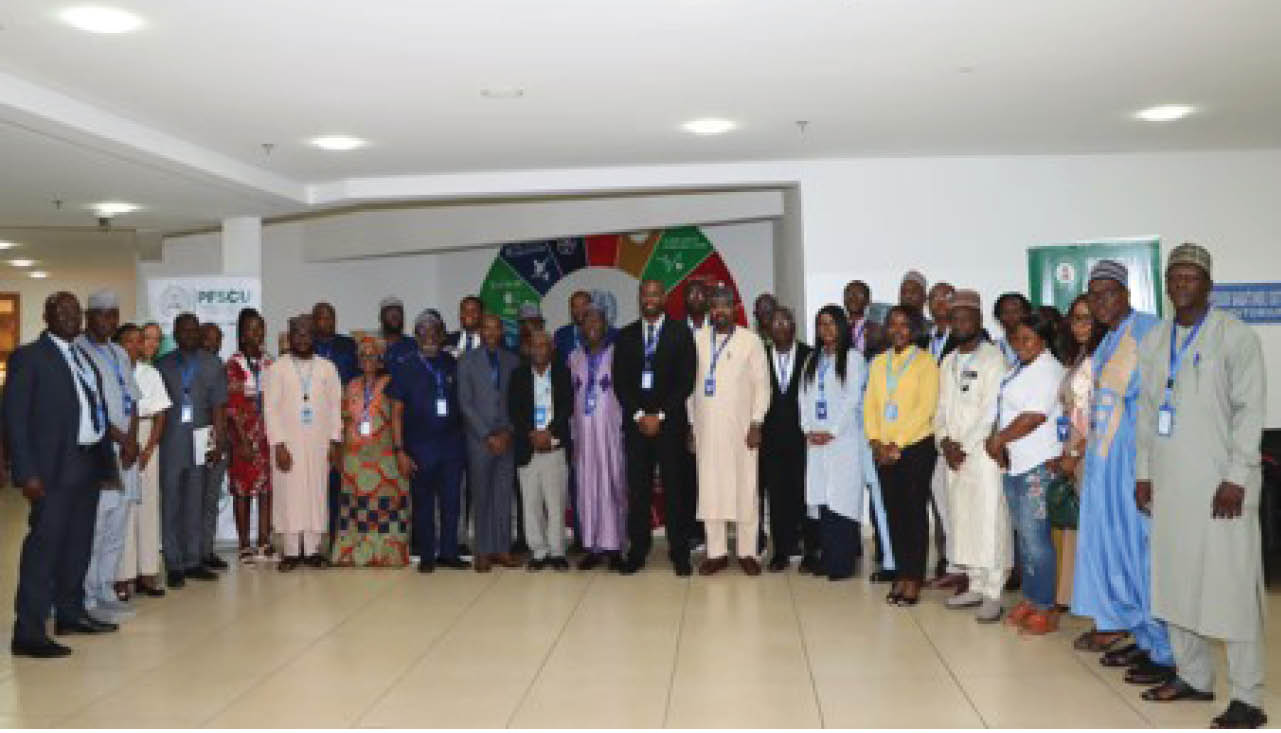
Welcoming participants, Borno State Commissioner for Agriculture and Natural Resources, Engr. Bawu Musami, said the state’s experience in supporting farming communities through difficult seasons could contribute to a stronger national response system.
“Every state brings knowledge and systems that can strengthen the whole country. When we share information, identify risks early and act together, we can reduce their impact, support farmers sooner and protect livelihoods more effectively,” Musami said.
The Maiduguri consultation brings together representatives from Adamawa, Bauchi, Borno, Gombe, Taraba and Yobe states, alongside federal institutions, security agencies and development partners.
Participants are examining existing early warning and response mechanisms, identifying areas for collaboration and contributing state-level experiences to the proposed national framework.
A central element of the plan is interoperability, which involves improving how government institutions, information systems and stakeholders exchange data, coordinate resources and respond to emerging threats.
By connecting existing capabilities and leveraging technology, the NFNCPP is expected to provide a shared national picture of food and nutrition risks, enabling authorities to make better-informed decisions and intervene before conditions deteriorate into emergencies.
FAO Representative in Nigeria and to the Economic Community of West African States (ECOWAS), Dr. Hussein Gadian, said Nigeria needed to move beyond responding to crises after they had escalated.
“Recurrent climate shocks, economic pressures, and security challenges mean we can no longer afford to rely on reactive responses to food crises,” Gadian said.
He added that the consultations would allow local insights and field data to shape the national preparedness framework, reaffirming FAO’s commitment to helping the government translate early warnings into anticipatory action to protect vulnerable farming communities.
The consultations are scheduled to continue across the remaining five geopolitical zones throughout October. Inputs from participating states are expected to inform an integrated preparedness system responsive to Nigeria’s evolving food and nutrition security challenges.
The effectiveness of the proposed plan will ultimately depend on how well participating institutions share timely information, coordinate resources and translate identified risks into practical interventions that protect food supplies and vulnerable households.