

By Ahmed Ahmed
African countries have been urged to increase domestic health financing and accelerate the training of community health workers as the continent works towards its target of deploying two million workers by 2030.
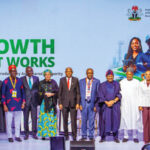
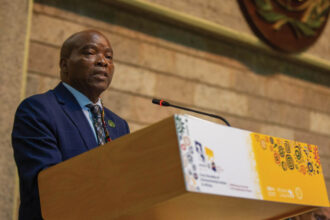
The Minister of State for Health and Social Welfare, Dr. Iziaq Salako, made the call at a high-level summit organised by the Africa Centres for Disease Control and Prevention (Africa CDC) in Abuja, where delegates reviewed progress and funding requirements for expanding community health services.
Salako said African governments must move beyond political commitments and translate the initiative into practical measures, including increased budgetary allocations, payroll reforms and updated national implementation plans.
He explained that the meeting was designed to strengthen political commitment and establish a shared understanding of the urgency of achieving the target, in line with the African Union’s mandate under President Bola Tinubu, who serves as the AU champion for the initiative.
The minister urged participating countries to assess progress under the Community Health Delivery Partnership, particularly national implementation plans, country roadmaps for the next 12 to 18 months, financing commitments and priorities requiring continental endorsement.
He also announced the presentation of two continental instruments: the Continental Community Health Programme Scorecard and a standardised curriculum for community health workers. The instruments are expected to support performance tracking and promote consistency in training across participating countries.
The scale of the financing challenge, however, remains significant. Africa CDC estimates that the continent requires $4.3 billion annually to train two million community health workers by 2030. It warned that inadequate investment could weaken disease surveillance, primary healthcare delivery and pandemic preparedness.
The agency’s Director-General, Dr Jean Kaseya, represented by Acting Deputy Director-General Raji Tajudeen, said an investment case developed to support the expansion of the community health workforce indicated that every dollar invested could generate an estimated $19 in returns.
Kaseya described the investment as a cost-effective approach to strengthening health systems, particularly in communities where access to essential healthcare remains limited.
He also disclosed that only about 1.1 million to 1.2 million community health workers had been trained so far, against the continental target of 2 million by 2030.
The gap highlights the pressure on governments to accelerate recruitment, training and deployment while ensuring that existing workers receive adequate support. Meeting the target will require more than training programmes. Sustainable salaries, reliable supplies, supervision and clear integration into national health systems will be necessary to retain workers and improve service delivery.
For African countries, the proposed expansion offers an opportunity to strengthen healthcare at the community level, improve early disease detection and reduce pressure on hospitals. However, the estimated $4.3 billion annual requirement raises questions about how governments will mobilise and sustain funding.
The success of the initiative will ultimately depend on whether the scorecard, curriculum and national roadmaps translate political commitments into funded programmes, properly supported workers and wider access to essential healthcare.