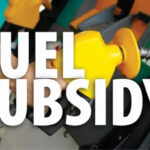

We must reject the dangerous assumption that restoring blanket petrol subsidies is the surest way to protect Nigerians from the rising cost of living. It is not. The International Monetary Fund (IMF) has offered a timely warning against a policy that repeatedly disguises fiscal irresponsibility as compassion. We must distinguish between protecting citizens and artificially suppressing fuel prices, because the two are neither economically equivalent nor socially interchangeable.
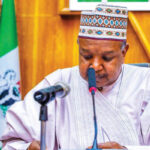
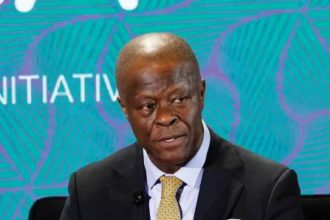
At a press briefing on the Fiscal Monitor report during the ongoing IMF/World Bank Annual Meetings in Bangkok, Thailand, Rodrigo Valdés, Director of the IMF’s Fiscal Affairs Department, made the distinction unmistakable. “Protecting people is not the same as protecting the price of fuels,” he said. His argument deserves serious attention, particularly as Nigeria approaches another politically charged election cycle in 2027.
We must confront the economic consequences of blanket subsidies without sentimentality. Nigeria’s experience demonstrates that an expensive intervention can survive for years while failing to deliver proportionate benefits to the people who need protection most. When the government subsidises petrol for everybody, the largest consumers often capture a disproportionate share of the benefits. Households with multiple vehicles and businesses consuming substantial quantities of fuel can gain more than low-income families whose consumption is limited by their purchasing power.
We cannot credibly call such an arrangement social protection when its benefits are distributed according to fuel consumption rather than economic vulnerability. Nor can we defend a policy that places substantial demands on public finances while diverting resources from healthcare, education, public transport, electricity, agricultural productivity and essential infrastructure.
The IMF has identified the fiscal cost and regressive distribution of blanket subsidies as fundamental weaknesses. We must not dismiss these concerns simply because petrol prices have become a powerful symbol of economic hardship. When Rodrigo Valdés argues that better instruments exist, we must examine those alternatives rather than retreat into a familiar but costly policy failure.
We must also recognise that subsidy restoration does not eliminate the underlying cost of fuel. It transfers part of that cost from consumers to the public treasury. The financial burden remains, but its payment becomes less visible. Government must still finance the difference, potentially through borrowing, reduced expenditure elsewhere or other fiscal adjustments. We cannot pretend that a liability disappears merely because consumers do not pay its full cost at the pump.
More troubling is the tendency to turn this economic question into an electoral bargaining instrument. With petrol prices rising by more than 600 percent following the removal of the subsidy under President Bola Tinubu, public anger is understandable. Households and businesses have endured substantial adjustments in transport, food distribution and operating costs. We must acknowledge that hardship without endorsing a policy whose long-term costs could deepen the same hardship.
We must insist that every political promise involving public expenditure disclose its financing plan, distributional consequences and opportunity costs. We cannot allow the appeal of cheaper petrol to substitute for an honest explanation of how the government would pay for it.
However, rejecting blanket subsidies must not become an excuse for governmental indifference. We must demand targeted interventions that provide measurable relief to vulnerable households. Rodrigo Valdés offered a practical alternative, suggesting that bus fares could be subsidised rather than petrol prices being artificially reduced for everyone.
We must also insist on transparent eligibility criteria, credible beneficiary records, independent monitoring and regular public reporting. Without these safeguards, targeted support can become another channel for patronage, exclusion and corruption.