
By Musa Ibrahim
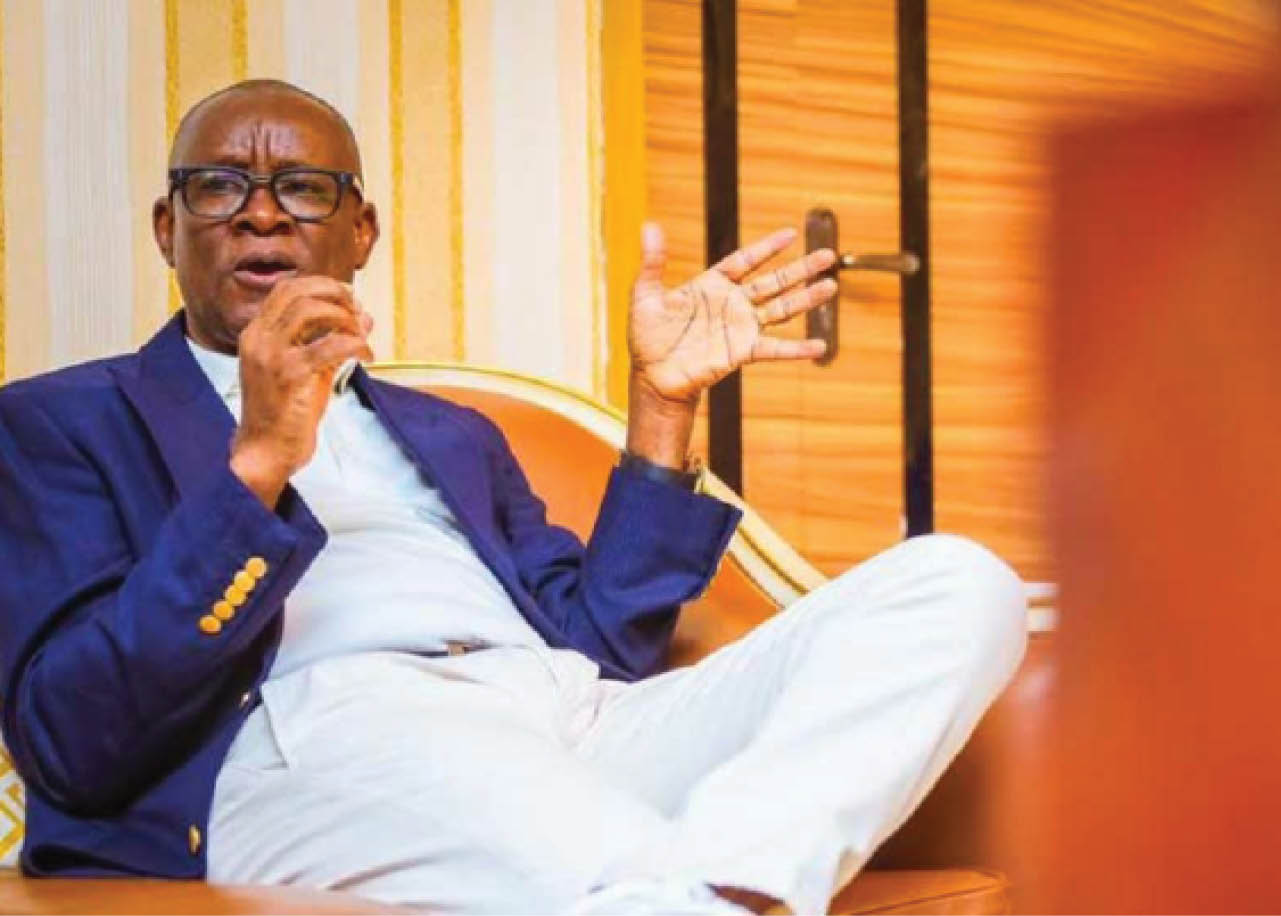
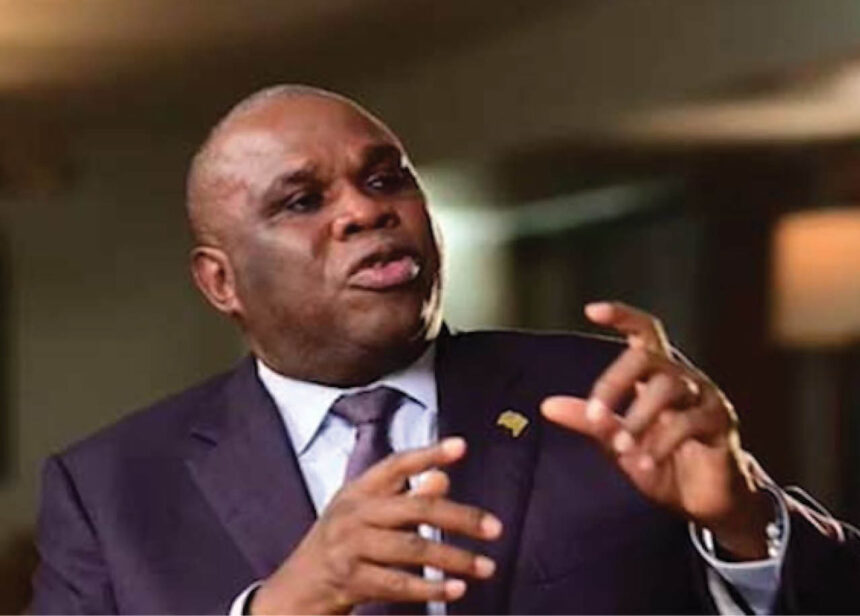
Africa’s quest for economic independence will remain incomplete unless countries develop home-grown economic models, mobilise domestic capital and strengthen indigenous financial institutions, former African Export-Import Bank (Afreximbank) President, Prof. Benedict Oramah, has said.
Oramah made the call at the 20th Annual Lecture of AELEX, themed ‘Global Shocks, Local Impact: Battle for Survival or Opportunities to Leapfrog and for Growth’, in Lagos, where he challenged African leaders to reconsider their reliance on foreign economic frameworks and financing structures.
He argued that economic policies regarded as international best practices were often designed around the circumstances of other economies and might not adequately address Africa’s peculiar development challenges.
“Best practice is always somebody’s practice, designed for somebody’s circumstances. Where it serves us, we adopt it. Where it does not, we must have the conviction to depart from it,” he said.
The former Afreximbank chief maintained that political independence without economic emancipation would leave African countries vulnerable to external financial pressures and competing geopolitical interests.
He expressed concern that between $350 billion and $500 billion of Africa’s foreign exchange reserves were held outside the continent, even as African countries continued to encounter difficulties accessing credit from international financial institutions.
Citing Afreximbank’s experience, Oramah disclosed that the bank mobilised more than $40 billion through its central bank deposit programme during his tenure, demonstrating the capacity of African financial institutions to attract and manage substantial domestic resources.
He called for greater investment in indigenous commercial banks, mineral processing and regional financial infrastructure, arguing that Africa must move beyond exporting raw materials to capturing more value from its natural resources.
On regional integration, he identified the Pan-African Payment and Settlement System (PAPSS) as an important mechanism for facilitating cross-border trade in African currencies, reducing transaction costs and strengthening intra-African economic cooperation.
However, Oramah’s emphasis on domestic capacity did not translate into a rejection of international partnerships. Responding to questions about Nigeria’s mining partnership with the United States and the geopolitical implications of foreign investments, he urged Nigerian leaders to establish clear national priorities before selecting external partners.
He cautioned against allowing rivalry among global powers to determine the continent’s economic direction.
“If you run away from the Americans, the Chinese will wait for you. The Russians will wait for you. So, what does that tell you? Have your own piece of hope,” he said.
His position places the responsibility for economic independence on African governments, particularly their ability to establish clear development priorities, retain greater control over domestic resources and negotiate international partnerships from a position of strength.
Ultimately, the challenge is not simply to reduce foreign dependence, but to build credible institutions, productive industries and financial systems capable of translating Africa’s resources into sustainable economic growth.