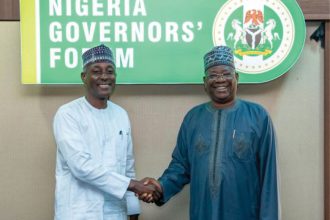

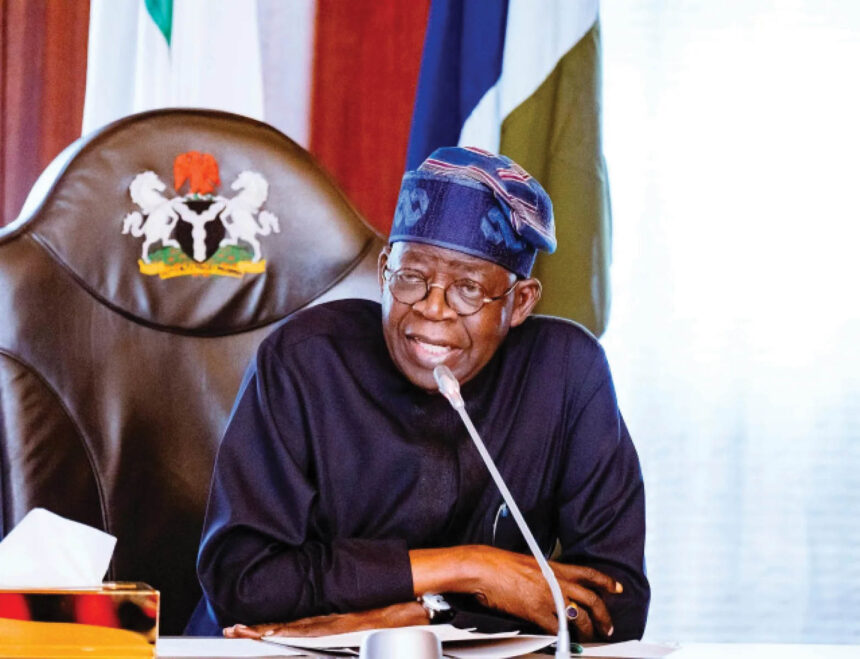
GDP growth has accelerated to 4.43 percent, inflation has moderated to 14.63 percent and external reserves have reached $55 billion. Following the Emir of Kano, Sanusi Lamido Sanusi’s call for Nigerians to acknowledge the progress, the evidence, as reported by Jennete Ugo Anya, supports the President Bola Ahmed Tinubu administration’s decision to confront economic distortions.
Nigeria is beginning to see benefits from decisions previous administrations struggled to take. Despite hardship, reforms are establishing a foundation for stability and growth.
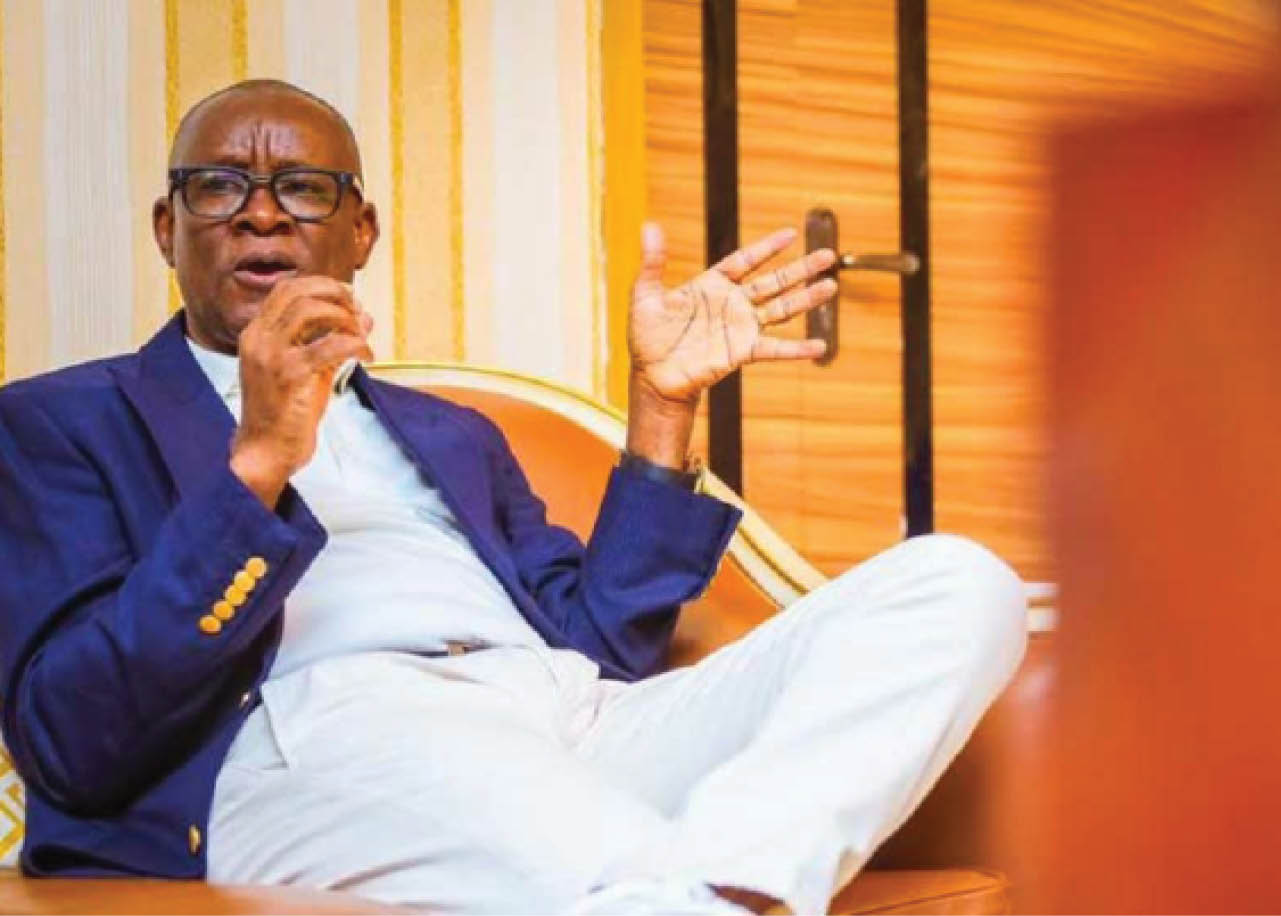
The most compelling endorsement has come from the Emir of Kano, Sanusi Lamido Sanusi, a former Governor of the Central Bank of Nigeria (CBN) and an influential voice on economic policy.
Speaking at the Oxford Global Think Tank conference convened by former Director-General (DG) of Securities and Exchange Commission (SEC), Arunma Oteh, Emir Sanusi urged Nigerians to recognise the gains without pretending that adjustment has been painless.
“Let’s look at the good side of the reforms,” he said, continuing: “GDP in Q2 2026 was at 4.48 percent. It’s not as high as it was under the Yar’Adua/Jonathan government, but during the Buhari years, the economy grew by 0.9 percent. Today it’s at 4.5 percent. That’s progress.”
Though the official National Bureau of Statistics (NBS) figure for Q2 2026 is 4.43 percent, not 4.48 percent, growth has strengthened, although it remains below the earlier expansion.
Between 2005 and 2014, Nigeria recorded stronger growth. World Bank historical data show annual GDP growth of 6.44 percent in 2005, 6.06 percent in 2006, 6.59 percent in 2007, 6.76 percent in 2008 and 8.04 percent in 2009. Growth reached 8.01 percent in 2010 and 6.31 percent in 2014. Oil revenues, banking consolidation and telecommunications expansion supported that period.
But the expansion did not produce a sufficiently diversified economy. The 2014 oil-price collapse exposed dependence on crude-oil revenues. Under Muhammadu Buhari, Nigeria experienced recessions in 2016 and 2020, alongside weak recovery, currency pressures and declining purchasing power. Sanusi’s 0.9 percent average reflects the period’s weak growth, although averages vary by years and statistical series.
President Tinubu inherited these problems in May 2023. Removing petrol subsidies and liberalising the foreign-exchange market were attempts to dismantle costly distortions. The consequences were immediate, but recovery is emerging.
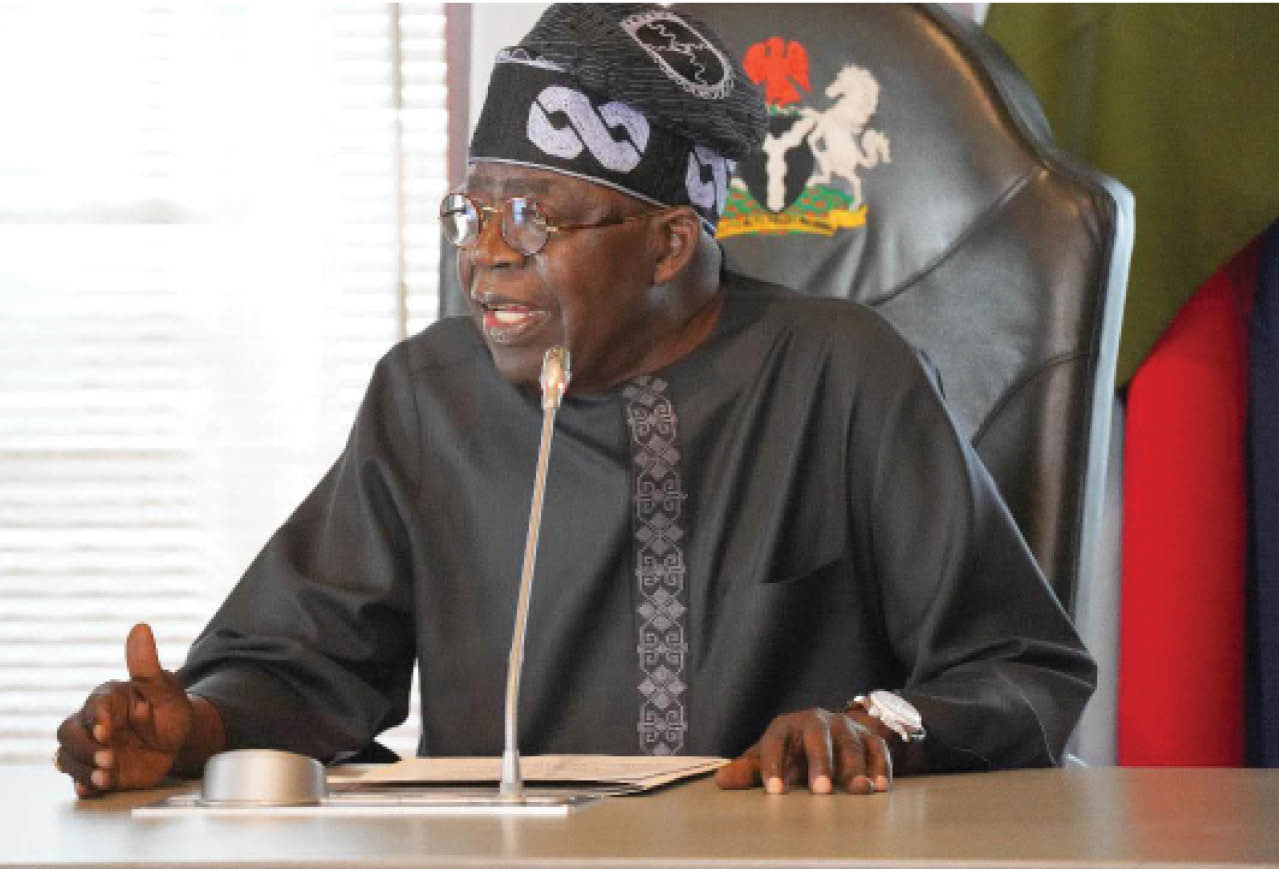
NBS data show real GDP growth of 3.38 percent in 2024 and 3.87 percent in 2025. Growth rose from 3.89 percent in Q1 2026 to 4.43 percent in Q2. The oil sector grew by 7.41 percent, while the non-oil economy expanded by 4.25 percent. Services accounted for 56.62 percent of real output. This indicates broader activity beyond crude oil.
Inflation provides another reason for optimism. Sanusi said it had fallen from above 30 percent to about 14.6 percent. NBS data show headline inflation at 14.63 percent in September 2026, down from 15.39 percent in August and 20.98 percent in September 2025.
Lower inflation does not mean prices have returned to earlier levels. Families still face high food, transport and housing costs. Disinflation means prices are rising more slowly, not that previous increases have been reversed. Sustained moderation is necessary to restore purchasing power.
The external position has improved. Sanusi referred to reserves of $55 billion. The Governor of CBN, Mr. Olayemi Cardoso, disclosed in October 2026 that gross external reserves had reached about $55 billion, while net reserves stood at approximately $46 billion. Gross and net reserves are distinct measures, with net reserves accounting for specified liabilities.
Sanusi acknowledged that portfolio investments contributed to inflows, but warned that they are volatile. He also cited higher oil prices associated with disruptions around the Strait of Hormuz and attractive Nigerian investment returns. Nigeria must turn temporary inflows into durable export earnings and productive investment. Portfolio capital can leave quickly; investment in manufacturing, agriculture, infrastructure and exports can build lasting capacity.
The Dangote Refinery is a significant development. Nigeria long exported crude oil while importing refined products, placing pressure on foreign exchange and limiting domestic industrial linkages. The United States Energy Information Administration reported in August 2026 that seaborne petroleum-product exports averaged 350,000 barrels per day in Q2 2026, compared with an annual average of 46,000 barrels per day in 2023. Seaborne product imports fell from nearly 400,000 barrels per day in 2023 to below 130,000 barrels per day in Q2 2026. The refinery was identified as a major driver.
Sanusi said that 20 percent of Nigeria’s exports were coming from the refinery. That share requires verification against clearly defined trade figures. Domestic refining is contributing to supply and exports, potentially reducing import dependence.
He also argued that dollar-denominated GDP per capita had risen by 47 percent since 2023. That claim needs qualification. IMF estimates put nominal GDP per capita at $2,139 in 2023, $1,084 in 2024, $1,223 in 2025 and a projected $1,556 in 2026. Exchange-rate movements affect dollar comparisons; the 2026 projection remains below 2023. Nominal dollar GDP per capita is not household income or real purchasing power.
The IMF’s June 2026 assessment recognised that reforms had improved macroeconomic outcomes and strengthened resilience, while warning that poverty and food insecurity remained serious challenges. The next phase must translate stability into jobs, affordable business finance, reliable electricity, agricultural productivity and better household incomes.
Sanusi captured the purpose of the adjustment: “There are clearly foundations being laid for stability. It’s not the end, but the first step towards stability.”
He concluded: “I’m not a fan of politicians, but we need to give credit to President Tinubu’s administration for bringing us back from the brink.”
His endorsement recognises that difficult decisions can begin to correct longstanding problems, even when their immediate effects are uncomfortable. Tinubu’s administration deserves credit for confronting distortions that previous governments struggled to resolve. Stronger GDP growth, moderating inflation, improved reserves and increased domestic refining provide evidence that reforms are establishing a more stable foundation.
The task is to sustain reforms and ensure gains reach Nigerians. Nigeria has experienced strong growth without building structures to preserve it. This administration has an opportunity to do better: protect stability, deepen diversification and make recovery visible in productive businesses, secure jobs and household welfare.