By Majeed Salaam
The federal government has moved to tighten control over capital spending, folding unspent 2024 funds into the 2025 budget and directing ministries, departments, and agencies (MDAs) to secure warrants before signing any new contracts.
The move, executed through the Government Integrated Financial Management Information System (GIFMIS), aims to ensure that every naira earmarked for capital projects is channeled into productive investments.
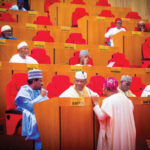
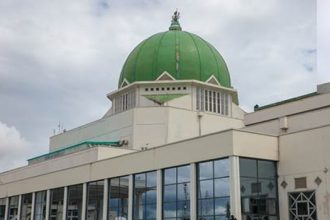
GIFMIS, an IT-based budget management and accounting platform first introduced in 2003, now serves as the backbone for integrating leftover 2024 allocations with the current year’s capital budget. This follows the National Assembly’s decision to extend the implementation of 2024 capital projects to December 2025, allowing them to run alongside the 2025 appropriation.
Mr. Wale Edun, Honourable Minister of Finance and Coordinating Minister of the Economy, said that the changes reflect President Bola Tinubu’s commitment to transparent, efficient budget execution as part of his broader growth agenda. That the agenda, he emphasized, seeks to push gross domestic product (GDP) growth to at least seven percent and lift millions of Nigerians out of poverty.
“Effective, honest, and targeted spending is the only way forward,” Mr. Edun said after meeting with senior government officials in Abuja to fine-tune the new framework. “We must ensure that public resources work harder for our people and our economy.”
According to him, the reforms are expected to give the private sector greater confidence through predictable fiscal policies, improved payment cycles, and a stronger pipeline of infrastructure projects – key factors for driving investment and creating jobs.
He stated that this renewed discipline in budget implementation is designed not just to speed up infrastructure delivery but also to signal to both investors and citizens that the government is serious about building a sustainable economic future.