
Nigeria’s ongoing economic reforms under President Bola Ahmed Tinubu received rare commendations from two of the world’s leading financial institutions this week, as both the International Monetary Fund (IMF) and International Finance Corporation (IFC) commended the government’s decisive policy actions while warning against complacency.
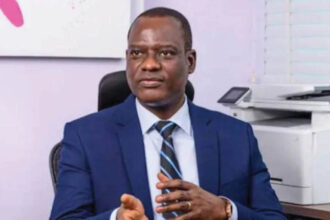
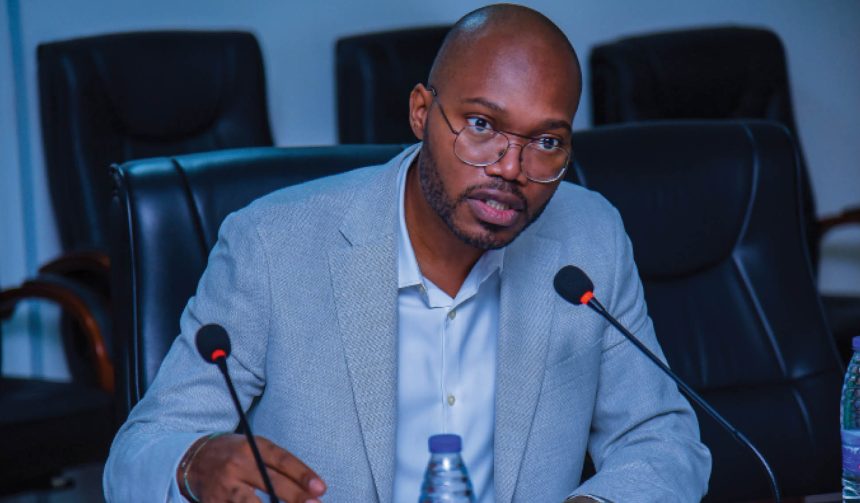
Speaking at the International Business Conference and EXPO 2025: Invest Nigeria, organised by the Lagos Chamber of Commerce and Industry (LCCI), IMF Resident Representative in Nigeria, Dr. Christian Ebeke, and IFC’s Principal Country Officer, Mr. Christian Mulamula, acknowledged that the Tinubu administration’s reforms were beginning to restore macroeconomic stability, moderate inflationary pressures, and rebuild investor confidence.
Reforms Taking Root
Among the measures singled out for commendation were the unification of foreign exchange rates, the removal of petrol subsidies, and the recently enacted tax reform laws. These, according to the IMF and IFC, have created early wins: a more stable FX market, gradual deceleration of inflation, rising foreign reserves, and a return of portfolio inflows.
“The first thing that is important is that inflation is finally decelerating,” Dr. Ebeke noted. “It does not mean prices are falling, but the pace at which they are rising is slowing. The second is that the exchange market is more stable. Reserves are going up, and businesses are no longer struggling to find dollars, even if they remain somewhat costly. Availability is a right step in the right direction.”
He added that Nigeria’s foreign reserves were now sufficient to cover FX liabilities, short-term debts, and imports, factors that strengthen business confidence.
A Call for Consistency
Both institutions, however, urged the government to remain consistent with reforms, warning that while “the monster is retreating,” the challenges facing Nigeria were far from over.
Dr. Ebeke flagged three concerns: Nigeria’s low foreign direct investment (FDI) inflows relative to its gross domestic product (GDP) size, the weak bank credit to the private sector, and the misallocation of domestic savings, which heavily favour oil and gas at the expense of manufacturing and agriculture.
IFC Highlights Job Creation Potential
In his remarks, Mulamula described Nigeria as “a more attractive investment destination” because of the reforms but emphasised the need to channel investment into productive and job-creating sectors. He identified ICT, renewable energy, pharmaceutical manufacturing, and agro-processing as sectors with transformative potential.
“Expanding the nationwide fibre network alone could create over 200,000 jobs,” he said. “Agricultural industrialisation has potential to create more than 300,000 jobs, renewable energy about 250,000 jobs, and the pharmaceutical sector some 30,000 jobs.”
Tinubu Reassures Investors
President Tinubu, represented at the event by Minister of State for Industry, Trade and Investment, Senator John Owan Enoh, assured investors that his administration was committed to rewriting Nigeria’s investment story. He revealed ongoing engagements with global automobile manufacturers to encourage local assembly and production.
“For too long, the Nigerian business environment has been a story of immense potential hampered by challenging realities,” Tinubu said. “My administration was elected with a clear mandate to change that story—from obstacles to opportunities. This is not just a promise but a reality we are building every single day.”
Business Community Welcomes Dialogue
LCCI President, Mr. Gabriel Idahosa, said the EXPO was designed to “unlock and deepen Nigeria’s boundless investment opportunities” across energy, manufacturing, agriculture, technology, infrastructure, and the creative economy.