By Musa Ibrahim
Nigeria has taken a bold step toward reshaping its economic future, as the National Economic Council (NEC) on last Thursday endorsed the framework of the Renewed Hope Development Plan (2026–2030) – a medium-term strategy aimed at consolidating reforms and steering Africa’s largest economy towards the $1 trillion mark by the end of the decade.
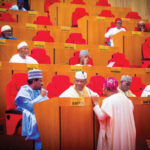
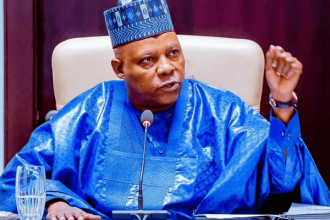
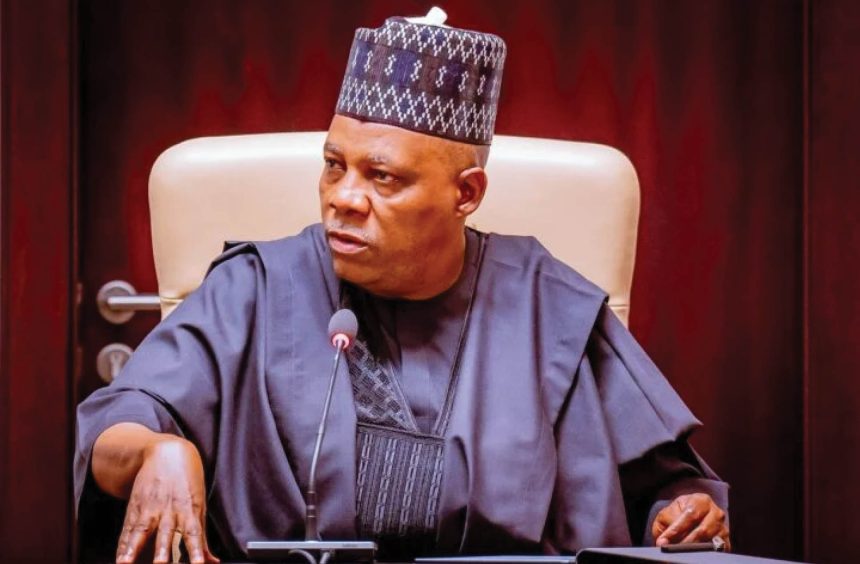
The endorsement came at the 151st NEC meeting held at the Presidential Villa, Abuja, presided over by Vice President Kashim Shettima.
Building the Bridge to Nigeria Agenda 2050
In his remarks, Vice President Shettima positioned the Renewed Hope Plan as more than just another policy document, describing it as a bridge between Nigeria’s past lessons and future ambitions.
“This is no ordinary transition,” he said. “The Renewed Hope Plan will consolidate ongoing reforms, deepen policy continuity, and align our medium-term strategies with the long-term horizon of Nigeria Agenda 2050. It’s a practical roadmap towards a $1 trillion economy by 2030.”
The plan will succeed the National Development Plan (2021–2025), which expires in December next year, and will form part of the six medium-term strategies underpinning the Nigeria Agenda 2050. Work is expected to begin in September 2025 to ensure its integration into the 2026 budget.
Participation and Inclusivity at the Core
NEC commended the Ministry of Budget and Economic Planning for kickstarting the process and urged states, ministries, and other stakeholders to actively participate in shaping the framework. The Vice President stressed that the plan will be participatory, with inputs drawn from state and local governments, civil society, labour unions, youth groups, traditional institutions, and the private sector.
“This is about shared ownership,” Vice President Shettima said. “Every sector must see itself in the plan, and every Nigerian must feel part of the journey.”
Boost for Farmers and Food Security
One immediate intervention highlighted at the meeting was support for Nigeria’s farmers. Vice President Shettima disclosed that the National Agency for Science and Engineering Infrastructure (NASENI) has ramped up local production of solar-powered irrigation pumps, a move expected to reduce farmers’ energy costs, expand dry-season farming, and strengthen food security.
“This is the story of the nation’s refusal to be hostage to petrol-powered systems,” the Vice President said. “It is an intervention to lower energy costs, expand farming seasons, and reinforce food security.”
NEC Turns Attention to Health Campaigns
Beyond economic planning, NEC also emphasized human capital and public health. The Council directed the Accountant General of the Federation to expedite fund releases for the upcoming national immunization campaign, scheduled for October.
The integrated campaign will target measles-rubella, polio, malaria prevention, and neglected tropical diseases, with states urged to deploy technology-driven tracking systems and provide strong security for vaccination teams.
Fiscal Updates
As of August 27, 2025, the Council received an update on Nigeria’s national accounts:
- Excess Crude Account – $535,823.39
- Stabilization Account – N78.45 billion
- Natural Resources Account – N106.72 billion
With the endorsement of the Renewed Hope Plan, NEC has set the tone for Nigeria’s next phase of economic management – anchored on reforms, inclusivity, and resilience. But the challenge, stakeholders admit, will lie in translating the plan’s ambition into real growth, job creation, and tangible improvements in the lives of ordinary Nigerians.
As Vice President Shettima put it: “This is the bridge between lessons learnt and ambitions pursued.”