By Anita Dennis
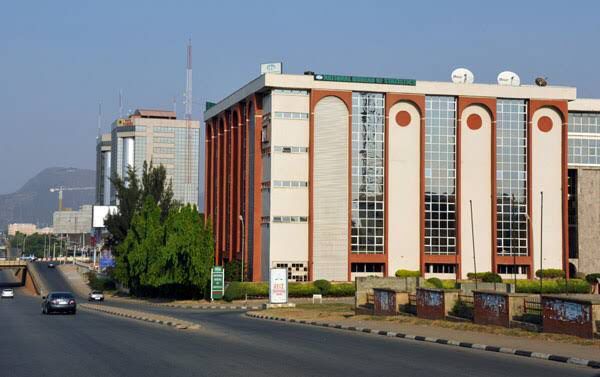
Nigeria’s economy recorded a 3.98 percent growth in real terms in the third quarter of 2025, according to the National Bureau of Statistics (NBS).
The figure shows an improvement from the 3.86 percent growth recorded in the same period in 2024, though it falls slightly below the 4.23 percent posted in the second quarter of 2025.
The NBS noted that the growth was driven by steady performance across both the non-oil and oil sectors. Agriculture grew by 3.79 percent, up from 2.55 percent in Q3 2024, while the industry sector expanded by 3.77 percent, compared with 2.78 percent in the previous year. The services sector recorded a 4.15 percent growth, slightly lower than 4.97 percent in Q3 2024, but remained the largest contributor to gross domestic product (GDP) at 53.02 percent of the total.
In nominal terms, according to the bureau, Nigeria’s aggregate GDP at basic prices stood at N113.59 trillion in Q3 2025, up from N96.16 trillion in Q3 2024, reflecting an 18.22 percent year-on-year increase.
The oil sector contributed 3.44 percent to real GDP, growing by 5.84 percent year-on-year, a slight increase from 5.66 percent in Q3 2024. Average daily oil production for the quarter was 1.64 million barrels per day (mbpd), higher than 1.47 mbpd in Q3 2024 but below the 1.68 mbpd recorded in Q2 2025. The NBS noted that production was affected by a three-day industrial action by the Petroleum and Natural Gas Senior Staff Association of Nigeria (PENGASSAN) and scheduled maintenance at major facilities.
The non-oil sector remained the backbone of the economy, accounting for 96.56 percent of GDP. Key contributors included agriculture, telecommunications, real estate, finance and insurance, trade, construction, and manufacturing. These sectors collectively drove positive growth and underscored the economy’s gradual diversification.
The NBS also highlighted that GDP rebasing to 2019 as the base year provided more stable and accurate quarterly estimates, aligning past data with the new series.
Overall, the report signals a broad-based recovery, with both oil and non-oil sectors showing resilience despite challenges in the upstream petroleum industry. Analysts suggest that sustained growth in agriculture, services, and manufacturing could support stronger economic performance in the coming quarters.