
By Jennete Ugo Anya
The United Nations Children’s Fund (UNICEF) has reaffirmed its commitment to supporting Nigeria’s primary healthcare reforms, stressing that access to quality healthcare remains a fundamental right, not a privilege.
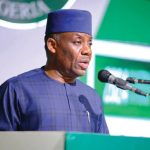
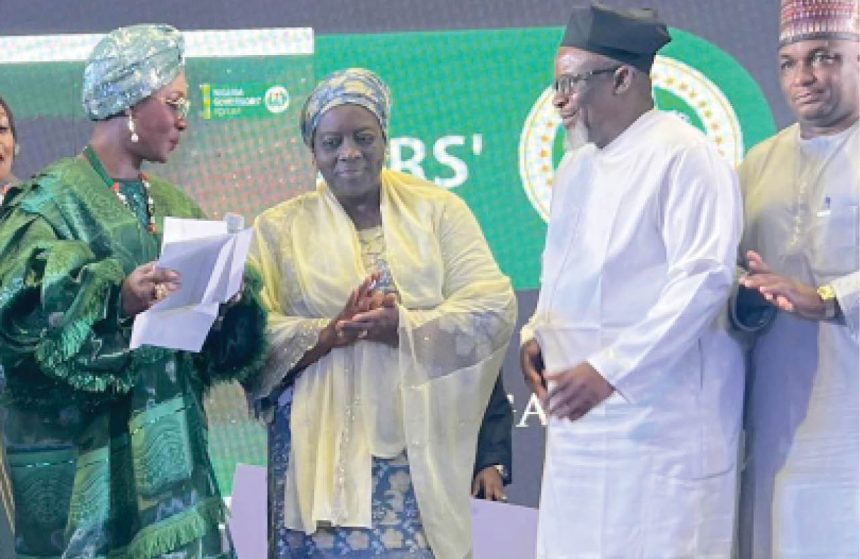
UNICEF Country Representative, Ms Wafaa Saeed, made this known at the Third Edition of the Primary Health Care (PHC) Leadership Challenge, held to mark Universal Health Coverage Day. She described the moment as symbolic, noting that primary healthcare is where the promise of universal health coverage is either realised or quietly lost.
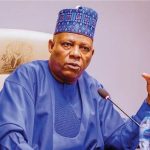
Speaking before an audience that included Vice President Kashim Shettima, state governors, senior health officials and development partners, Saeed said Nigeria’s path toward universal health coverage and the Sustainable Development Goals (SDGs) begins at primary healthcare centres. She noted that these facilities are where mothers give birth, children receive their first vaccines and families seek care with trust. For millions of Nigerians, she said, primary healthcare is not just the first point of care but the only one available.
She also said that the country is at a critical stage in its health reform journey, with the Federal Ministry of Health driving far-reaching changes under the Nigeria Health Sector Renewal Investment Initiative launched in November 2023. According to her, the reforms have provided a clear direction for the sector, with the right focus and ambition needed to deliver meaningful results.
Saeed further said that UNICEF is proud to walk alongside the Nigerian government, working closely with the Federal Ministry of Health, the National Primary Health Care Development Agency (NPHCDA) and other partners to align programmes around action, accountability and outcomes that people can see and feel.
She acknowledged that challenges remain, particularly high maternal, newborn and child mortality rates, as well as barriers that prevent families from consistently accessing quality care. Addressing these challenges, she said, requires strong leadership at the state and local government levels, with governors playing a key role in strengthening systems, empowering local governments and translating intent into measurable change.
The UNICEF representative noted that the 2025 ceremony marked the final round of the PHC Leadership Challenge supported by the Gates Foundation. She said while this phase of the challenge is coming to an end, its impact will extend far beyond the awards, pointing to governance improvements at the local government level and the willingness of states to respond to evolving performance indicators aligned with national priorities.
She expressed appreciation to partners including the Gates Foundation, the Aliko Dangote Foundation, state governments, the Nigeria Governors’ Forum (NGF), NPHCDA and other stakeholders for their roles in advancing the initiative, noting that progress in health is never achieved in isolation.
Saeed also urged stakeholders to remain guided by the commitments of the Seattle Declaration, including better governance, smarter financing, a stronger health workforce, evidence-based decision-making and state-led, local government-owned primary healthcare systems.
Earlier in her remarks, she offered condolences to the government and people of Bayelsa State following the death of the state’s Deputy Governor, describing him as a committed public servant whose passing was deeply felt.
She concluded by calling for renewed resolve to build a future where no woman fears childbirth and where seeking healthcare does not push families into poverty, saying the work on primary healthcare ultimately represents hope for millions of Nigerians.