
-
It is A Decisive Shift In Nigeria’s Fiscal Architecture, Targeting Efficiency, Transparency And Global Competitiveness
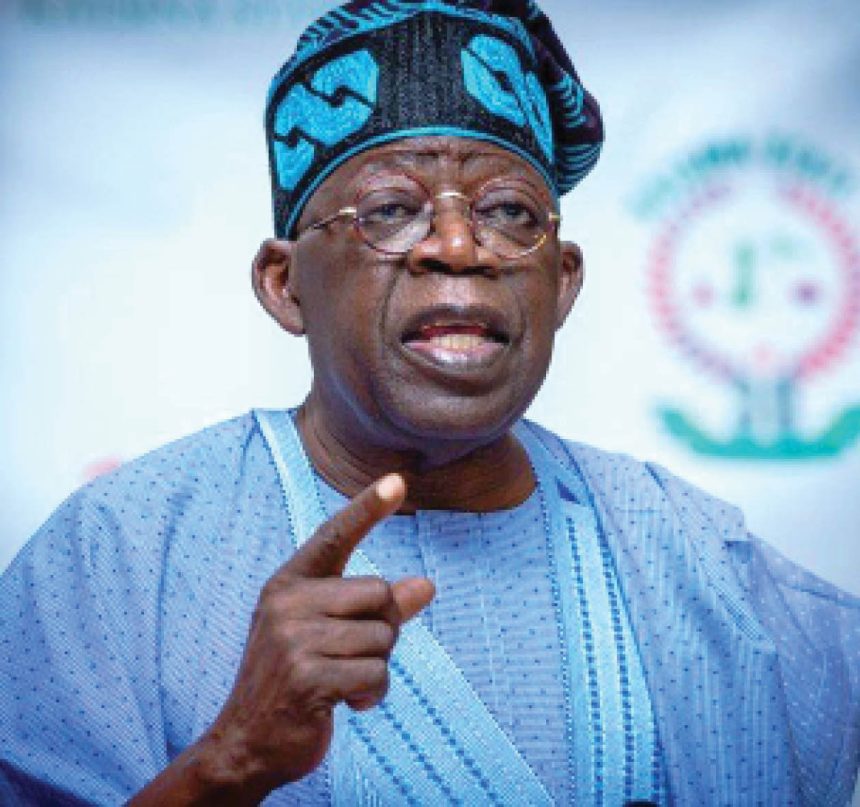
Nigeria stands on the threshold of a defining structural reform in its trade and fiscal ecosystem, as President Bola Ahmed Tinubu-led administration has recently launched the National Single Window (NSW). The initiative, positioned at the intersection of economic policy, digital transformation and institutional coordination, is widely regarded within policy and investor circles as one of the most consequential trade facilitation reforms in recent years. Enam Obiosio analyses the reforms.
At its core, the NSW is designed to eliminate the entrenched inefficiencies that have long characterised Nigeria’s import and export processes. For decades, traders have navigated a fragmented system involving multiple agencies, duplicative documentation requirements and opaque clearance procedures. The result has been elevated transaction costs, persistent delays at ports and a structural disadvantage in global trade competitiveness.
The rollout now seeks to dismantle that architecture.
Announcing the development at a high-level stakeholders’ meeting in Abuja, Chief of Staff to the President, Hon. Femi Gbajabiamila, framed the initiative not merely as a technological upgrade but as a fundamental fiscal reform with system-wide implications.
“We are about to launch yet another reform, fiscal reform by this administration, which in its nature will be very transformational,” Gbajabiamila stated shortly before the launch, underscoring the policy weight attached to the project.
His framing is significant. By situating the NSW within the broader fiscal reform agenda of the administration, the government is signalling that trade facilitation is no longer a peripheral concern but a central pillar of economic strategy.
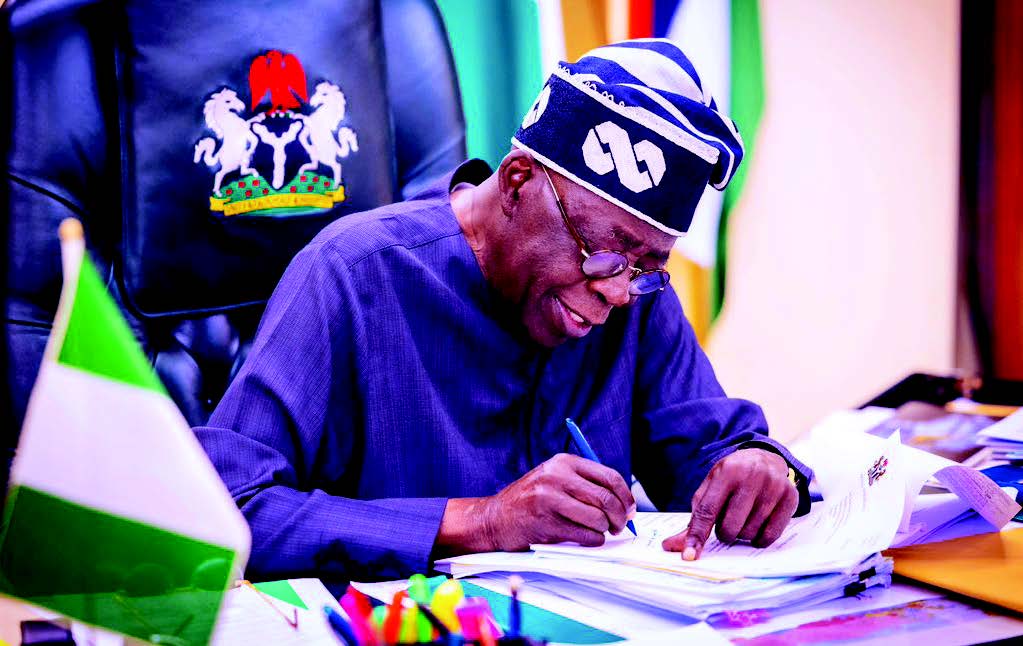
From Fragmentation to Integration
The concept of a single trade window is not novel globally. Advanced and emerging economies alike have adopted variants of the system to streamline border procedures and reduce administrative burdens. What makes Nigeria’s iteration noteworthy is the scale of institutional fragmentation it seeks to address.
Historically, importers and exporters have been required to submit similar documentation to multiple agencies, including customs, regulatory bodies and port authorities. Each agency operates its own processes, often with limited interoperability. This has created redundancies that extend clearance timelines and introduce opportunities for rent-seeking. The NSW model reverses that logic.
Under the new system, traders will submit documentation once through a unified digital platform. The information is then automatically shared across all relevant agencies, eliminating duplication and significantly reducing processing time. This “submit once, use multiple times” architecture represents a departure from legacy systems and aligns Nigeria with international best practices in trade facilitation.
Mr. Tola Fakolade, National Single Window Coordinator, provided operational clarity on the system’s first phase. According to him, the rollout will enable online processing of import permits, electronic submission of cargo manifests and the deployment of a centralised risk management system.
These features are not merely procedural conveniences. They introduce data-driven decision-making into Nigeria’s trade processes, allowing authorities to focus inspections on high-risk consignments while facilitating faster clearance for compliant traders.
Fakolade emphasised the urgency of inter-agency cooperation in the final stretch before deployment, noting that the success of the platform depends as much on institutional alignment as on technological readiness.
“The support that we need from each of the agencies is even more critical now. Documents will be submitted once and shared with all relevant agencies without duplication,” he said.
A Reform Anchored in the Presidency
The political backing of the NSW initiative is one of its defining strengths. Originally introduced by President Bola Ahmed Tinubu nearly two years ago, the project has evolved from a policy concept into an executable reform with clear timelines and measurable outcomes.
Gbajabiamila’s direct involvement, alongside the presence of key ministers and agency heads at the State House meeting, reflects a coordinated, top-down approach to implementation. This level of executive engagement is often cited by policy analysts as a critical success factor for reforms that cut across multiple institutions.
The meeting itself functioned as both a progress review and a commitment forum, bringing together stakeholders whose cooperation will determine the effectiveness of the system. The directive mandating the Honourable Minister of Industry, Trade and Investment, Dr. Jumoke Oduwole, to lead the final implementation phase further reinforces the central coordination mechanism required for such a complex rollout.
Economic Imperatives and Growth Logic
From a macroeconomic perspective, the NSW is expected to deliver both direct and indirect benefits. Directly, it aims to reduce the time and cost associated with cross-border trade. Indirectly, it has the potential to enhance Nigeria’s attractiveness as a trade and investment destination.
The Honourable Minister of Finance and Coordinating Minister of the Economy, Mr. Wale Edun, articulated this linkage succinctly, describing the project as both growth-enhancing and growth-enabling.
“This is a growth-enhancing and growth-enabling project. What is required of the Ministry of Finance, we will definitely do,” Edun affirmed.
The logic is straightforward. Efficient trade processes lower the cost of doing business, improve supply chain reliability and increase the competitiveness of locally produced goods in international markets. Over time, these factors can contribute to export expansion, revenue growth and broader economic diversification.
For an economy seeking to reduce its dependence on oil revenues, the implications are particularly significant.
Institutional Alignment and System Readiness
The success of the NSW will ultimately hinge on the degree of alignment among participating institutions. The list of agencies involved underscores the complexity of the task. It includes the Central Bank of Nigeria (CBN), Nigeria Revenue Service (NRS), Nigeria Customs Service (NCS), Standards Organisation of Nigeria (SON), Nigerian Maritime Administration and Safety Agency (NIMASA), Nigerian Ports Authority (NPA), National Agency for Food and Drug Administration and Control (NAFDAC), Federal Airports Authority of Nigeria (FAAN), Nigeria Agricultural Quarantine Service (NAQS) and the National Environmental Standards and Regulations Enforcement Agency (NESREA).
Each of these entities plays a distinct role in the trade ecosystem, with its own mandates, processes and regulatory frameworks. Integrating them into a single digital platform requires not only technical interoperability but also a harmonisation of procedures and a willingness to adapt institutional practices.
The Governor of CBN, Mr. Olayemi Cardoso, highlighted the broader strategic objective of closing Nigeria’s trade facilitation gap with peer economies. His intervention points to a critical benchmarking dimension, as global investors increasingly assess countries based on the efficiency of their logistics and regulatory environments.
Similarly, the Chairman of the NRS, Dr. Zacch Adedeji, stressed the importance of coordination and sustained political commitment. His emphasis reflects a recognition that reforms of this scale often face implementation risks, particularly in environments with entrenched bureaucratic practices.
The Comptroller-General of Customs, Mr. Adewale Adeniyi, described the project as a historic milestone, signalling institutional buy-in from one of the most critical agencies in the trade value chain.
While the promise of the NSW is considerable, the transition phase presents its own set of challenges. Moving from a fragmented, largely manual system to an integrated digital platform requires extensive capacity building, change management and stakeholder sensitisation.
Fakolade indicated that nationwide training programmes are already underway, with pilot testing planned to ensure system stability before full deployment. These steps are essential to mitigate operational disruptions and build user confidence.
For traders, particularly small and medium-sized enterprises, the shift may involve an initial learning curve. Ensuring that the platform is user-friendly and accessible will be critical to achieving widespread adoption.
There is also the question of data integrity and cybersecurity. As trade processes become increasingly digitised, safeguarding sensitive information and ensuring system resilience will be paramount.
Beyond its immediate operational objectives, the NSW represents a broader test of Nigeria’s reform credibility. Over the years, the country has announced multiple initiatives aimed at improving the business environment, with varying degrees of success.
The difference in this instance lies in the convergence of political will, institutional participation and technological readiness. If effectively implemented, the NSW could serve as a template for future reforms in other sectors, demonstrating that large-scale structural changes are achievable.