
Nigeria must stop treating cultural diplomacy as decorative symbolism and begin recognising it as a strategic instrument capable of shaping trade, investment, tourism, creative exports and geopolitical influence.
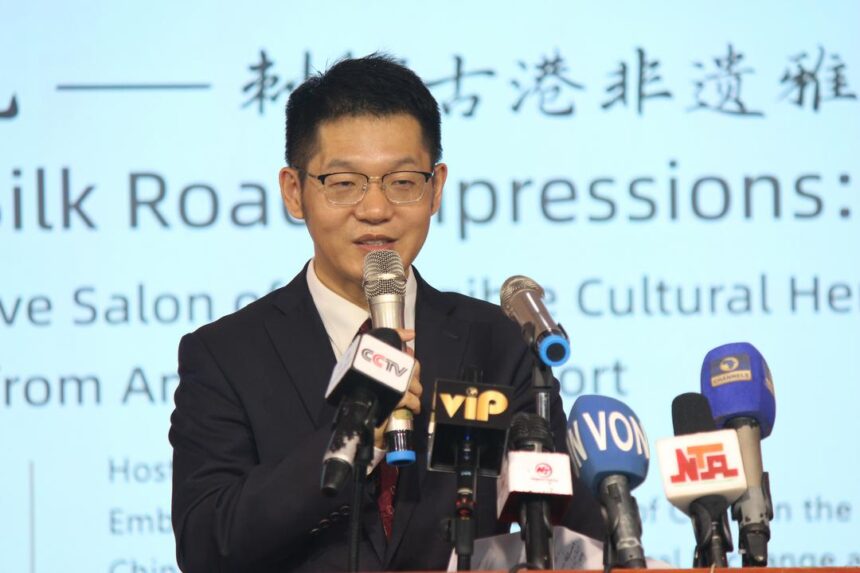
That is why the recent “Tea for Harmony, Maritime Silk Road Impressions” cultural salon organised by the Chinese Embassy and the China Cultural Centre in Nigeria deserves attention beyond its ceremonial display of tea, music and cultural exhibitions.
At first glance, the event appeared to be another diplomatic gathering celebrating friendship between nations. Beneath the soft language of harmony and cultural exchange, however, lies a deeper reality, the growing use of culture as a tool of economic and geopolitical influence.
China understands this clearly. Nigeria still appears slow to grasp its significance.
For decades, China has deployed cultural diplomacy alongside trade expansion, infrastructure financing and strategic foreign policy engagement across Africa. What many once dismissed as soft cultural outreach gradually evolved into strong economic and diplomatic influence.
When Cultural Counsellor and Director of the China Cultural Centre in Nigeria, Yang Jianxing, described tea as a bridge for dialogue and trust, he was expressing a deliberate philosophy of soft-power engagement. China increasingly recognises that long-term influence cannot depend only on loans or commercial agreements. It also requires cultural familiarity, emotional connection and people-to-people engagement.
Nigeria should be equally strategic.
The country possesses one of Africa’s strongest untapped diplomatic assets, culture. From Nollywood and Afrobeats to fashion, literature and indigenous heritage, Nigeria already commands global cultural visibility. Yet cultural diplomacy remains poorly structured, underfunded and disconnected from long-term economic planning.
While China institutionalises culture as part of economic diplomacy, Nigeria often treats culture as entertainment separate from national development strategy. That gap increasingly allows better coordinated countries to shape narratives and influence across Africa.
The “Tea for Harmony” initiative therefore represents both opportunity and warning.
Stronger China-Nigeria cultural cooperation could support tourism, creative-economy partnerships, educational exchange and export expansion. China’s newly announced zero-tariff policy for 53 African countries could also create opportunities for Nigerian agricultural exports such as cocoa, sesame, peanuts and cassava.
But difficult questions remain. Is Nigeria prepared to maximise these opportunities? Does the country possess the export infrastructure, quality-control systems and industrial processing capacity needed to compete effectively in Chinese markets? Market access alone does not guarantee competitiveness.
Nigeria has repeatedly struggled to convert diplomatic opportunities into structured economic gains because domestic productive capacity remains weak. Poor infrastructure, inconsistent policies, energy instability and logistics bottlenecks continue to undermine export performance.
This is why cultural diplomacy without economic preparedness risks becoming symbolic theatre rather than transformational partnership.
The remarks by Permanent Secretary of the Federal Ministry of Art, Culture, Tourism and Creative Economy, Abdulkarim Ibrahim, regarding enhanced cultural exchange are encouraging. But commitment alone is insufficient. Execution is what matters.
Culture is no longer merely heritage preservation. Globally, nations now use culture to shape tourism flows, strengthen international branding, attract investment and influence geopolitical narratives. South Korea transformed music and film into global influence. India leveraged cinema and diaspora culture into visibility. China is aggressively expanding its own cultural footprint through strategic soft power.
Nigeria already possesses the cultural influence many countries spend decades trying to build. What remains absent is coordinated national strategy.
Ultimately, the lesson from this event extends beyond tea ceremonies or diplomatic anniversaries. Modern global influence is increasingly shaped by culture, narratives and perception as much as by military strength or economic size. China understands this reality.