By Musa Ibrahim
Abandoned public projects have remained one of Nigeria’s most visible governance challenges, consuming billions of naira while denying citizens the infrastructure and services they were promised. The Bureau of Public Procurement (BPP) believes reversing this trend will require more than increased funding. It will demand stronger coordination between the Executive and the Legislature, improved planning, and stricter adherence to procurement laws.
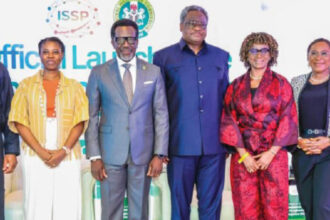
This position was reinforced by the Director-General (DG) of the BPP, Dr Adebowale Adedokun, during the 2026 National Assembly (NASS) Open Week in Abuja. The event, themed ‘Three Years of the 10th National Assembly: Advancing Transparency, Inclusion and Reform,’ brought together lawmakers, heads of ministries, departments and agencies (MDAs), civil society organisations and development partners to examine reforms that can strengthen governance and accountability.
Speaking during a panel session on ‘Strengthening Legislative Oversight of Public Procurement for Value for Money,’ Dr. Adedokun described public procurement as a strategic tool for national development when supported by effective oversight and proper implementation.
“If we effectively use the existing legislation that you have passed, we will be able to achieve measurable results in how we deliver projects,” he said.
According to him, stronger collaboration between the Legislature and the Executive would improve accountability, ensure value for money and reduce the number of abandoned projects that have become a recurring feature of public spending.
Dr. Adedokun identified poor project planning, weak audit coordination, inadequate institutional capacity and budgeting inconsistencies as some of the major factors undermining successful project delivery. He noted that the frequent turnover of lawmakers after elections also makes continuous capacity building essential so legislators can effectively perform their oversight responsibilities.
He called for closer collaboration between the BPP and relevant committees of the National Assembly, explaining that procurement audit reports prepared by the bureau could provide lawmakers with valuable insights into contract awards, implementation progress and project outcomes.
The DG also expressed concern over inconsistencies in the 2026 budget, revealing that some projects classified as ongoing were not progressing, while others had been assigned to ministries and agencies without the technical expertise required for implementation.
“You will find a road construction project captured under a ministry that has no technical competence to build a road. Already, you are doomed to fail,” he said.
Beyond federal procurement, Dr. Adedokun urged policymakers to pay greater attention to projects executed by state and local governments, arguing that significant public resources are now managed at those levels.
“How do you explain that 52 percent of all government allocation goes to local governments and states? We are too focused on the federal, while the bulk of money today lies in the states and local governments,” he said.
He questioned the growing practice of the federal government executing projects such as boreholes and streetlights that could be handled by lower tiers of government, suggesting that clearer responsibilities would improve efficiency and accountability.
Dr. Adedokun also criticised the inclusion of projects in budgets without proper planning, stressing that the Public Procurement Act 2007 criminalises the award of contracts that are not backed by approved procurement plans.
Recognising the bureau’s limited capacity to physically monitor projects across the country, he encouraged civil society organisations to take advantage of legal provisions that allow them to observe bid openings and monitor project implementation, describing public participation as an important pillar of procurement accountability.
Funding arrangements also came under scrutiny. According to Adedokun, many projects are delayed because annual budgetary allocations do not reflect realistic implementation timelines.
“Should we continue to fund projects expected to last between 10 and 15 years at the current rate? You see a project that should be completed in three years receiving funding for only one year,” he said.
He advocated stronger collaboration between the Executive and Legislature during budget preparation to prevent procurement violations before they occur, noting that public officials are often held accountable only after leaving office.
The DG of BPP further recalled a previous practice where ministries and agencies were required to present performance reports before defending new budget proposals. He described the approach as an effective mechanism for improving transparency, monitoring implementation and ensuring better value for public expenditure.
As part of broader reforms, Dr. Adedokun disclosed that the bureau is implementing 23 initiatives aimed at modernising Nigeria’s procurement system. These include expanding e-Procurement, strengthening sustainable procurement practices, improving price intelligence, enhancing contractor registration and promoting greater compliance with procurement regulations.
He also revealed that all MDAs have been directed to include provisions for persons with disabilities in their standard bidding documents, while sustainability requirements have been incorporated into procurement processes to encourage job creation, enterprise development and wider economic growth.
The BPP’s participation at the NASS Open Week also provided an opportunity to engage lawmakers on proposed amendments to the Public Procurement Act 2007 and gather stakeholder feedback on challenges affecting procurement implementation.